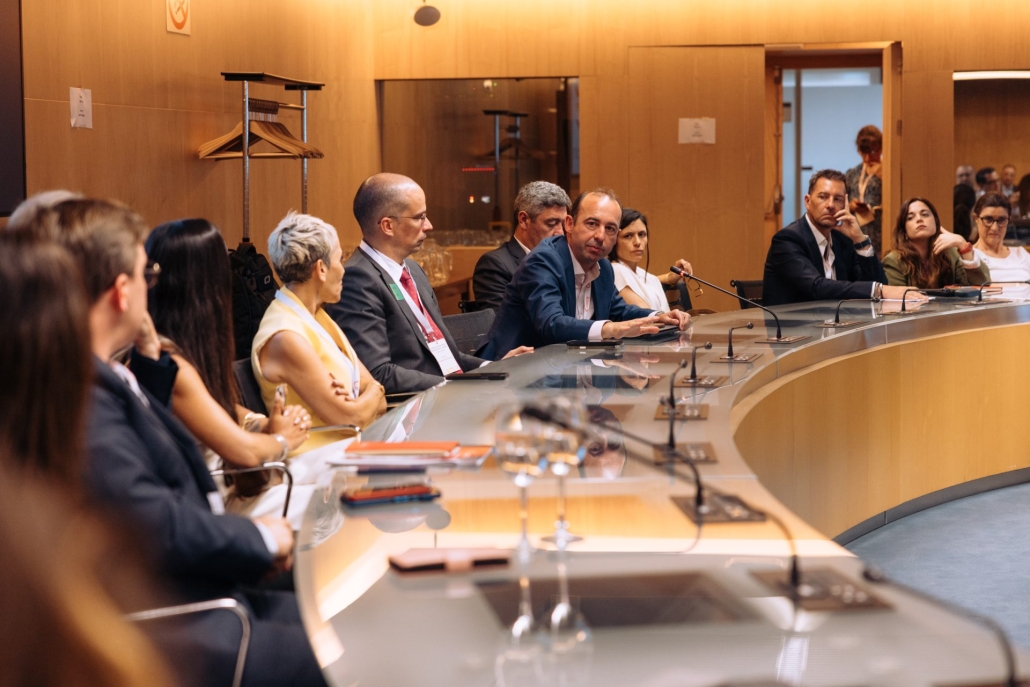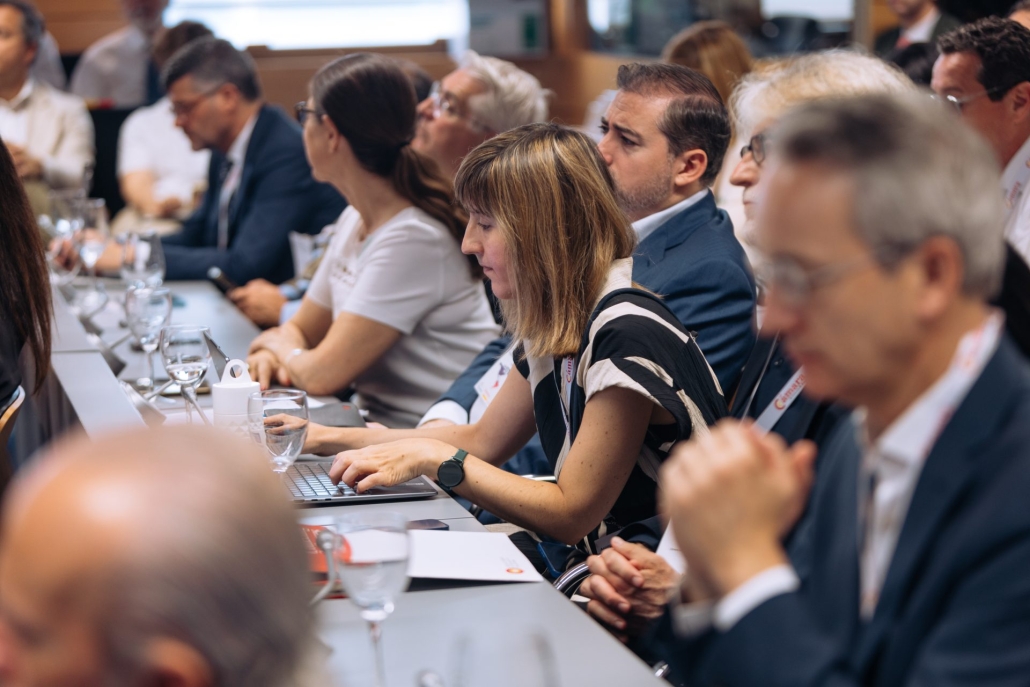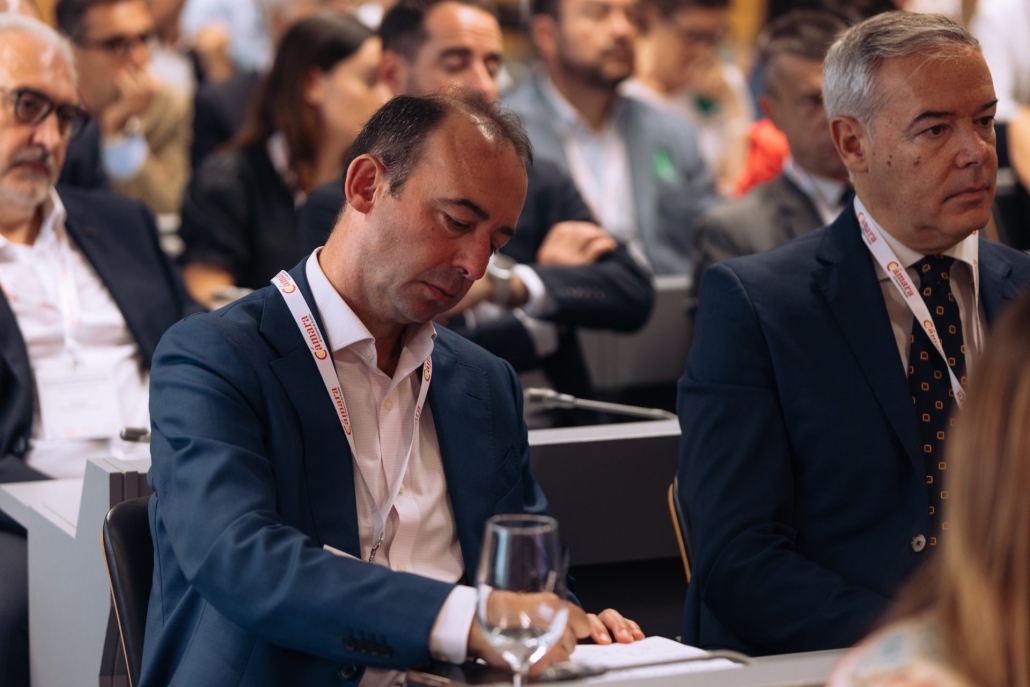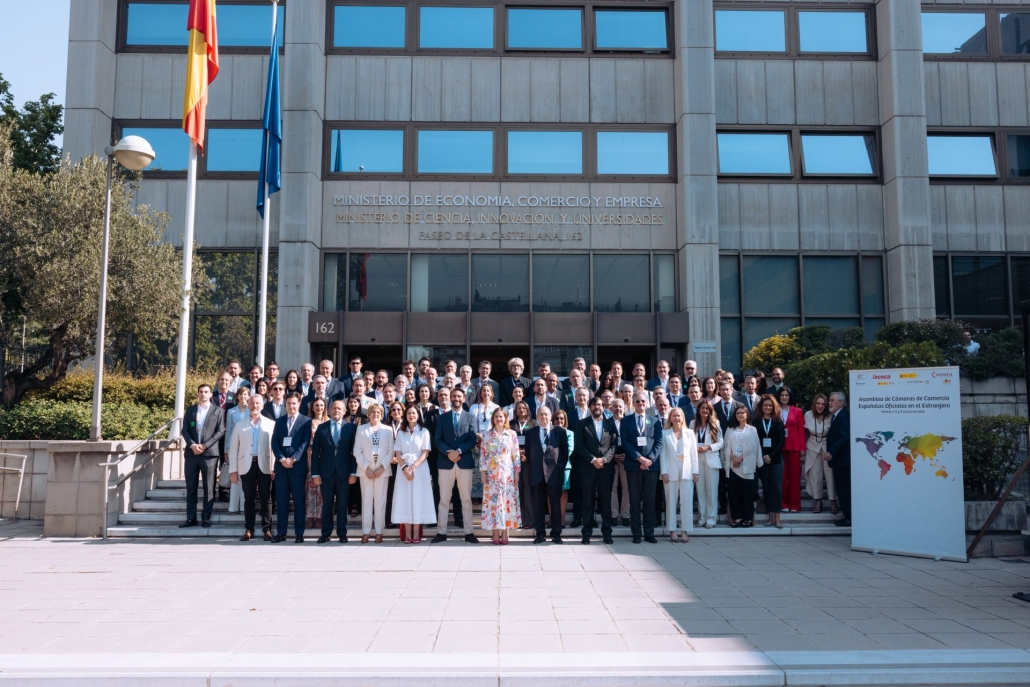
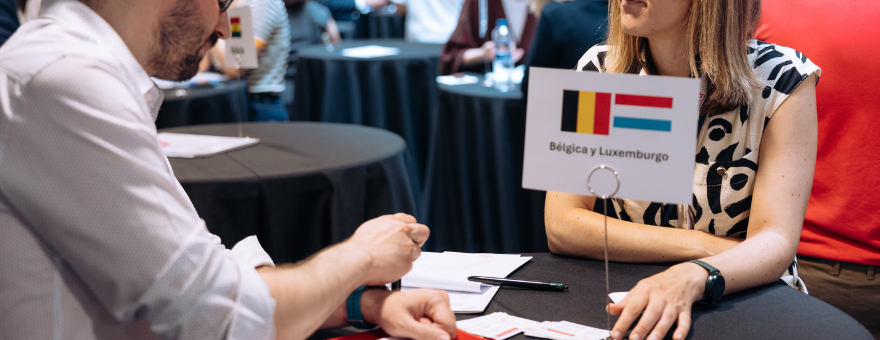
The Chamber attends the CAMACOES General Assembly, where the organisations strengthen their partnership to promote business internationalisation
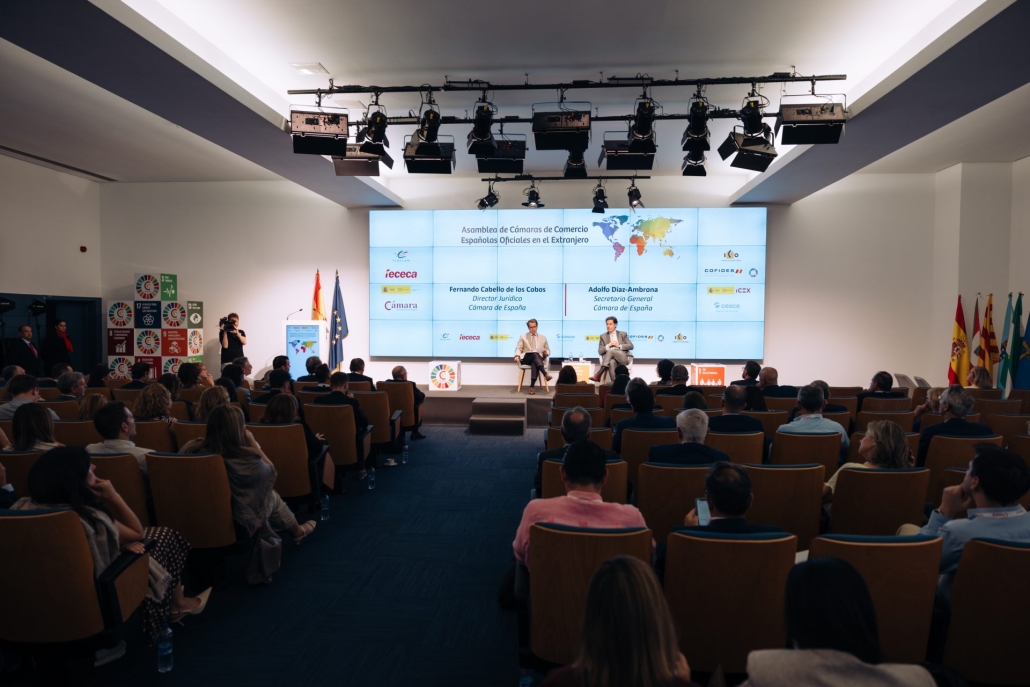
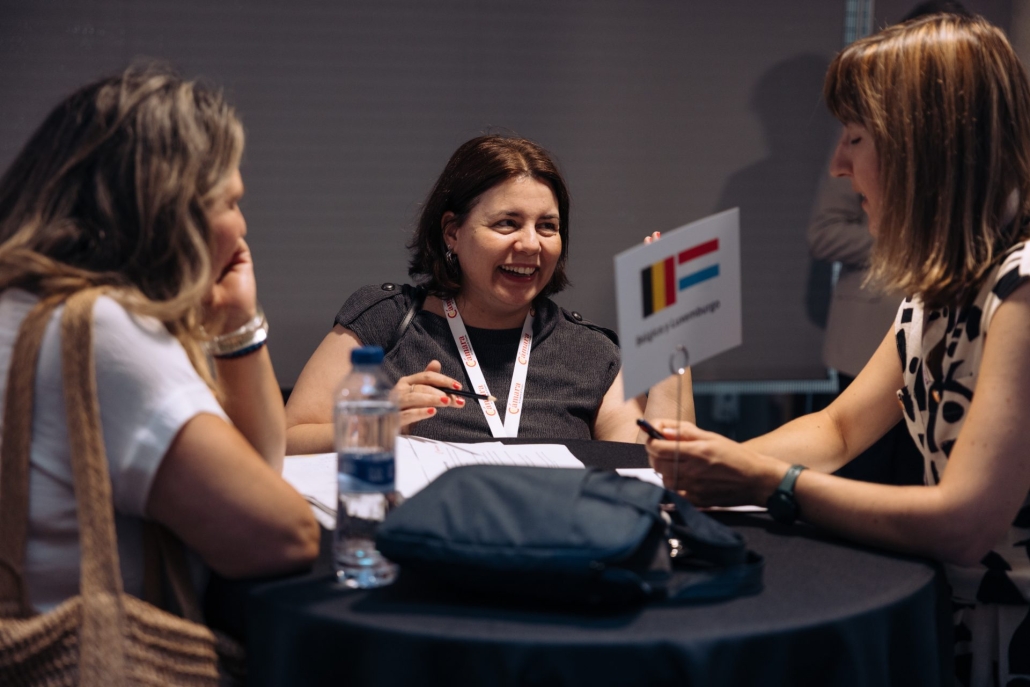
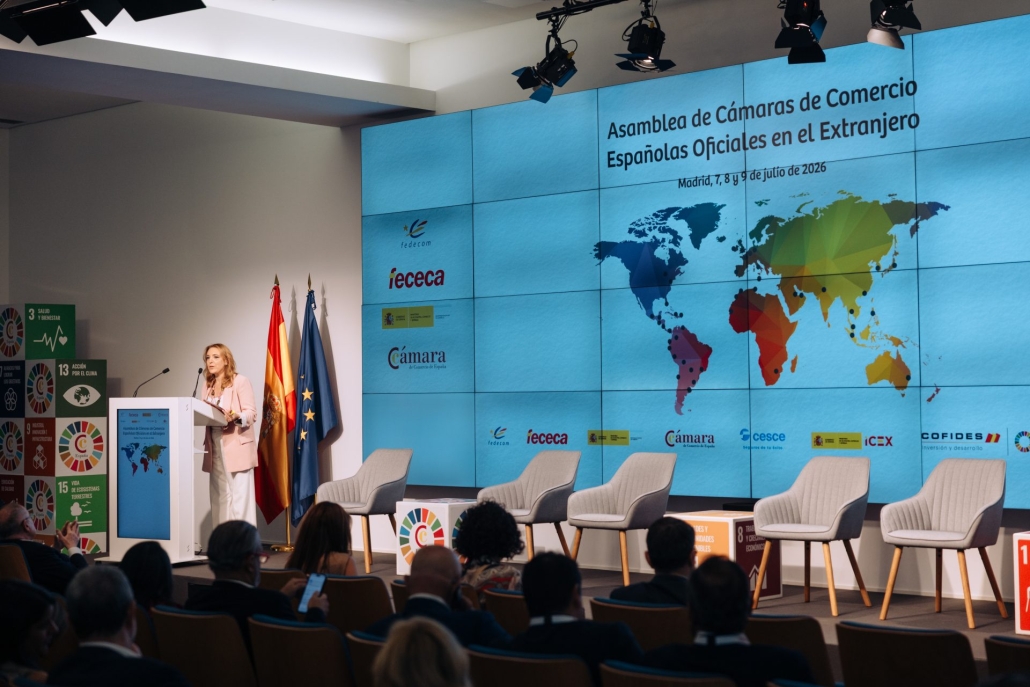
From 7 to 9 July, the Official Spanish Chamber of Commerce in Belgium and Luxembourg took part in the working sessions held as part of the General Assembly of the 45 Official Spanish Chambers of Commerce Abroad (CAMACOES), which served to strengthen collaboration and learn about best practice, as well as to explore new opportunities for collaboration with the aim of supporting and promoting the internationalisation of Spanish companies, particularly SMEs.
The meeting enabled the network of national and overseas chambers to share experiences and best practices, make progress on new cooperation mechanisms, and welcome the Chambers of Malaysia, Ireland and Canada – recently recognised as official bodies – as well as to hear from the Chamber of Venezuela, which is currently undergoing reconstruction following the earthquake on 26 June.
The president of the Official Spanish Chamber of Commerce in Belgium and Luxembourg, Pablo López Álvarez, and the secretary-general, Marta González Benguria, took part in the working sessions alongside the presidents and secretaries-general of the 45 CAMACOES present in 43 countries across five continents. The Network of Spanish Chambers Abroad has 8,376 member companies — 33.8 per cent more than in 2020 — and is one of the main tools for supporting business internationalisation.
Cohesion and coordination
At this conference, organised by the Spanish Chamber of Commerce, its president, José Luis Bonet, stated that “in the face of market instability and uncertainty, technological challenges and the barriers that are emerging, the response must not be to retreat but rather to pursue greater internationalisation, and businesses – particularly SMEs – cannot be left to navigate this path alone”. For Mr Bonet, this meeting was “an opportunity to move forward, with greater cohesion and coordination amongst the chambers, to put what I call ‘the chamber army’ in a position to adapt our actions and our roadmap to the new needs of businesses”.
For his part, Juan Luis Gimeno, Director-General of Trade Intelligence at the Secretary of State for Trade, emphasised that “we are witnessing the emergence of a new world order in which the role of Chambers of Commerce is more important than ever. Their ability to provide businesses with the tools and services that facilitate internationalisation will be crucial in enabling a greater number of SMEs to grow and compete in international markets.”
Furthermore, the president of the Federation of Official Chambers of Commerce of Spain in Europe, Africa, Asia and Oceania (FEDECOM), Guillermo Cobelo, called upon the chamber network’s experience and capacity for learning to tackle the challenges ahead, and emphasised the importance of learning from mistakes, strengthening areas for improvement and building on existing strengths to continue contributing to business progress and the creation of a “more prosperous future for Spain”.
During the Assembly, the Secretary-General of the Spanish Chamber of Commerce, Adolfo Díaz-Ambrona, and the institution’s Legal Director, Fernando Cabello de los Cobos, addressed the challenges of good governance within Chambers of Commerce and the role of CIIAM. “Trust has become a strategic asset for organisations, and good governance must be understood as a commitment to transparency, objectivity and the public interest, going beyond legal obligations,” emphasised Díaz-Ambrona. Both also highlighted the role of CIIAM (the International and Ibero-American Arbitration Centre of Madrid) as a leading institution for international arbitration in the Ibero-American region.