Webinar on “Where are the business opportunities during the coronavirus?”

On April 16th, the Official Spanish Chamber of Commerce of in Belgium and Luxembourg, organized a webinar on “Where are the business opportunities during the coronavirus?”, by the mentor Karine Brück, founding partner of Karine Bruck International (Ecosolve SL). The webinar was attended by a dozen companies.

The webinar was aimed at European companies interested in learning how to identify the sectors of opportunity that still exist during this global crisis and how SMEs can take advantage of them.

She mentioned the difficult and unprecedented situation that we are going through and that implies a drastic change in the global economic environment. Several topics were mentioned like the supply chain and demand collapse, the financial constrain, the investment freeze in addition to some global economic impact estimations.
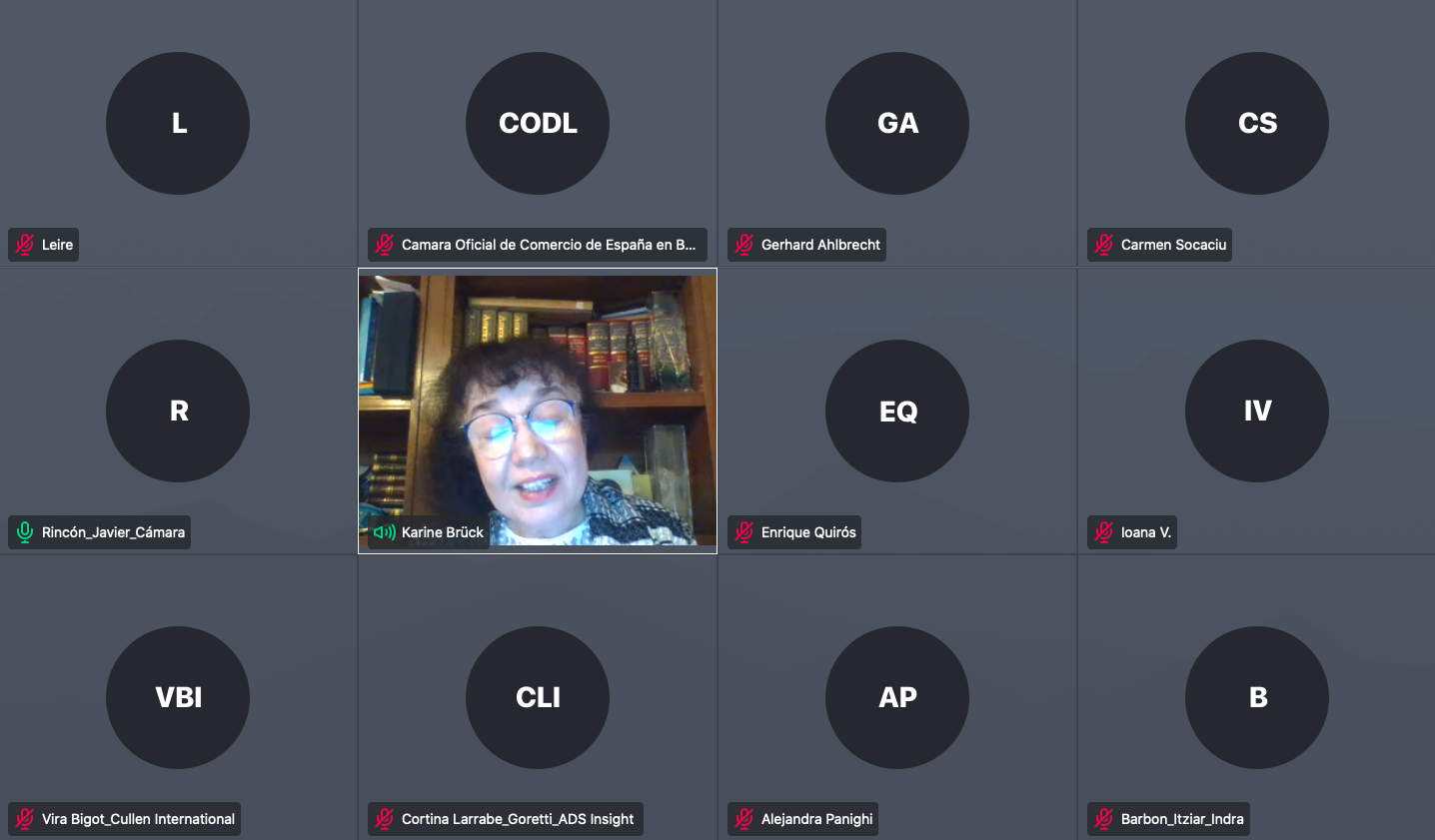
Then, some clear guidelines for companies to confront this crisis were given, such as, workforce protection, supply chain stabilization, customer engagement, financial stress testing and nerve-center integration. She also proposed the creation of a Crisis Management Center as a key instrument for monitoring the situation and creating crucial future strategies for the survival of the enterprise. Ms. Brück recommended, especially for the short- and medium-term wellbeing of the company, to modify the sales strategy and to improve communication within and outside the company for reducing uncertainty and strengthen coordination.

In a broader perspective, an overview of the situation by sectors was given including the identification of the ones that will be leading the market in the coming months. Moreover, from a macroeconomic perspective, she provided the participants with the most helpful tools to identify new international tradepartners that could play a decisive role in the future trade activity of the companies.

Finally, she also gave some insights on multisectorial opportunities and she focused on potential tenders that could be interesting for most of the industries.

After the presentation, a Q&A was featured where the participants could ask their doubts about the information explained.

The Chamber wants to sincerely thank Karine Brück for her amusing and enriching presentation.
Containment measures extended up to May 3rd

The Prime Minister, Sophie Wilmès, announced some new measures following the National Security Council meeting on Wednesday 15 April, the most important one was the extension of the containment measures currently in force up to and including 3 May.

Following this decision, do-it-yourself stores and garden centers will be able to re-open, under the same conditions as food stores while social distancing will need to be respected. Also residents of residential facilities – i.e. rest and care homes or centers for people with disabilities – will be allowed to be visited by a pre-designated person. The condition is that the person in question has not shown any symptoms of the disease in the past two weeks. These rules will also apply to people who live in isolation and are unable to move around.

The basic rules will remain unchanged until 3 May and must be followed strictly. The public order services will continue to monitor this. A new National Security Council meeting will be organized next week with the aim of developing the next step in phasing out the measures. The goal is to organize this  phase-out strategy from early May and this will gradual based on the advice of the scientists. This strategy will be based on several pillars, namely social distancing, large-scale screening as well as tracing, and the development of new rules to be applied in the business world.

It is clear that wearing a face mask – even a so-called comfort mask – will also play an important role in the phase-out strategy. Fabric masks will be recommended for any situation where social distancing cannot be maintained. In order to do so, a collective effort will be needed, including the start-up of national production. However, face masks cannot replace the hygiene measures or social distancing.

In the short term, the National Security Council will give its opinion on the analyses and proposals of the group in charge of the exit strategy, including the right timing and conditions for the gradual re-opening of shops and catering establishments, as well as on the approach to schools, internships, youth movements and travel. It has already been established that mass events such as festivals cannot be organised before the end of August.

As regards the business community, the current rules will continue to apply until such time as the protocols can be ratified on a sector-by-sector basis. The aim of these protocols is to enable companies to resume their normal activities as soon as possible, while also guaranteeing adequate working conditions for their employees, adjusted for the situation. Working from home should continue to be preferred for some time to come.

Source: Info-coronavirus.be

Webinar on “Covid-19: analysis of the economic measures for businesses in Belgium”

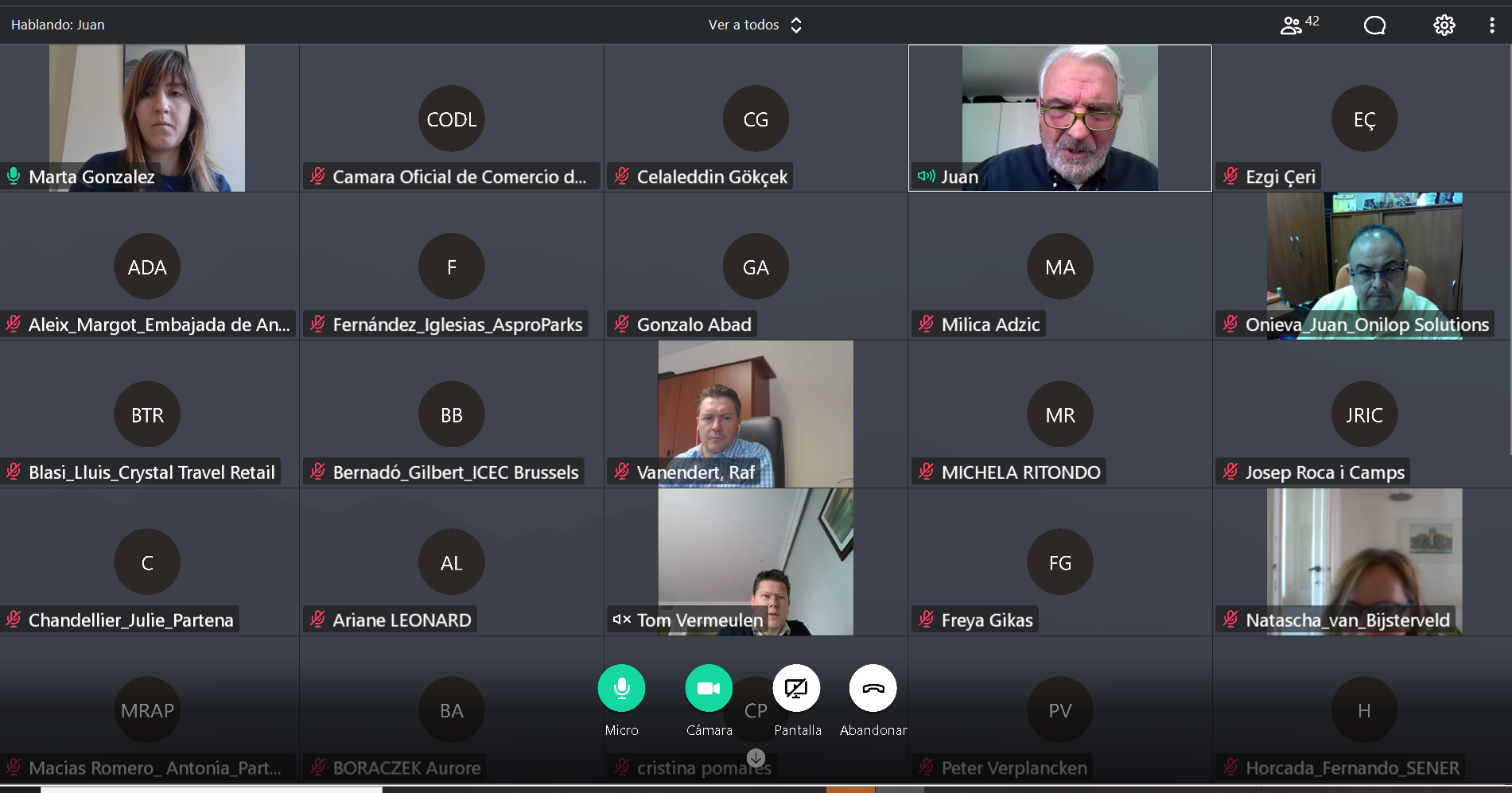
On April 15th, the Official Spanish Chamber of Commerce of in Belgium and Luxembourg, organized a webinar on “Covid-19: analysis of the economic measures for businesses in Belgium”, in collaboration with SPF FinanceFlanders Investment & TradeBrussels Invest & Export, Invest in Wallonia and its member Paterna Professional. The webinar was attended by more than 50 companies.

blankThis webinar was aimed at Spanish companies stablished in Belgium, in order to help them identify the different financial and economic measures they can apply both for the regional (Brussels, Flanders and Wallonie), and federal levels.

The webinar was presented by Juan Rodríguez-Villa, President of the Chamber, who thanked the speakers from the different organisms and all the participants from different companies for their collaboration and mentioned the difficult and unprecedented situation that we are going through that means a great challenge for everyone.

The webinar started with Michela Ritondo, International tax expert from SPF Finance, who explained the measures taken by the Belgian federal authorities in relation to the payment of taxes and detailed other business support measures.

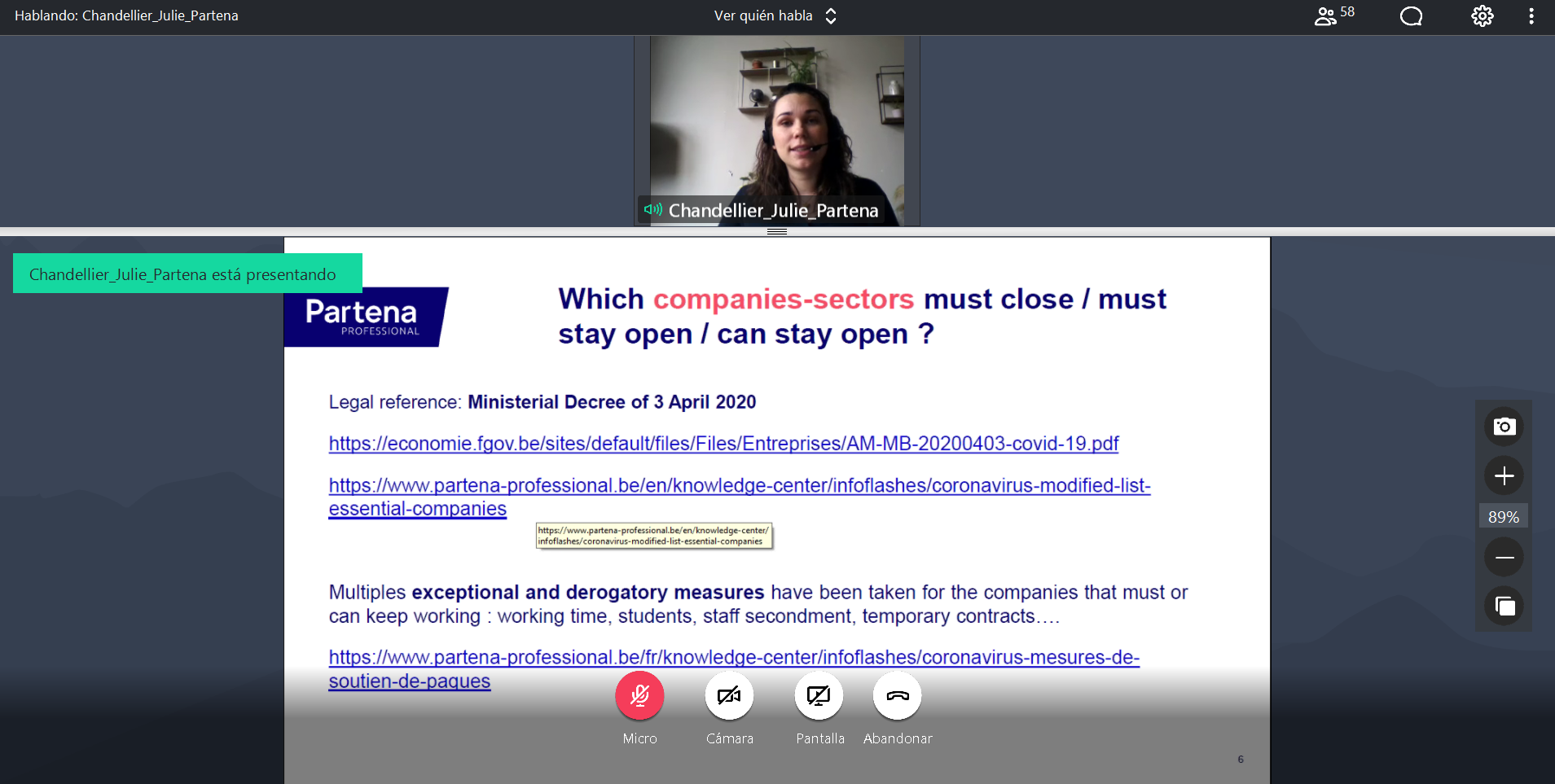
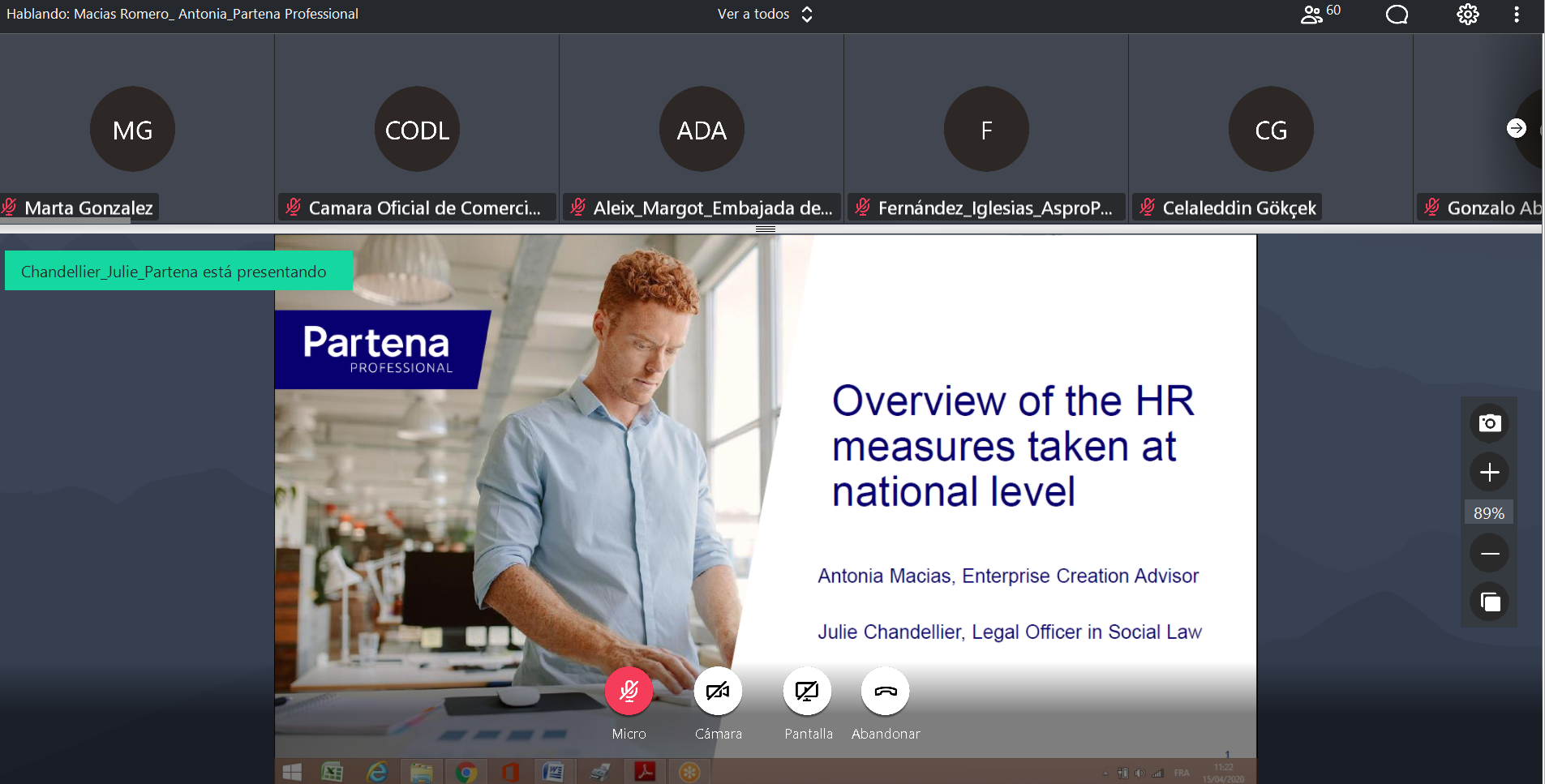
Then Antonia Macías, Enterprise Creator Advisor and Julie Chandellier, Legal Officer in Social Law, of Partena Professional summarized the measures taken at national level to help the self-employed in issues regarding social security. blankLikewise, they also mentioned the different procedures and temporary unemployment benefits for companies and their employees.

After it, the General Secretary of the Chamber, Marta González, introduced the representatives of the organizations of the different regions in Belgium. From the Brussels Region, Ariane Leonard, Economic and comercial Advisor, Representative of the Government of Brussels in Spain, and Aurore Boraczek, Inward Investment, hub.brussels, explained the measures taken in the Brussels Region such as the single bonus of € 4,000 for companies that have had to compulsorily close or the suspension of the so-called “city tax” for hotels. From Flanders Investment & Trade, Peter Verplancken, Deputy Director, Inward Investment & Aftercare, explained, among others, the financial incentives offered by the Flemish government or the postponement for the filing of taxes. Finally, Michel Winniczek, Project blankManager from Invest in Wallonia (AWEX), informed about the different measures offered by the Walloon region to companies, the procedures for requesting these grants and the postponement of payment of fees.

After the presentation, a round of questions was featured where the participants could ask their doubts about the measures explained.

The Chamber wants to sincerely thank the SPF Finance, Flanders Investment & Trade, Brussels Invest & Export, Invest in Wallonia and Partena Professional for having participated in this initiative.


In collaboration with:

blank blank blank blank

Breakfast-debate with MEPs Jordi Cañas and Inmaculada Rodríguez-Piñero: priorities of INTA committee

On April 8th, The Official Spanish Chamber of Commerce in Belgium and Luxembourg hosted the first event in the series “Breakfasts with the Eurocámara”, a meeting platform between Spanish companies and the European Parliament, on “The priorities of the International Trade Committee (INTA) for the new legislature” with the MEPs and members of the International Trade Committee (INTA) Jordi Cañas Pérez (Renew Europe) and Inmaculada Rodríguez-Piñero (S&D). Given the exceptional circumstances due to the spread of COVID-19 in Belgium, this breakfast debate was held online for the first time and was attended by representatives of member companies of the Chamber, business leaders, representatives of the Autonomous Communities and other organizations.

blank


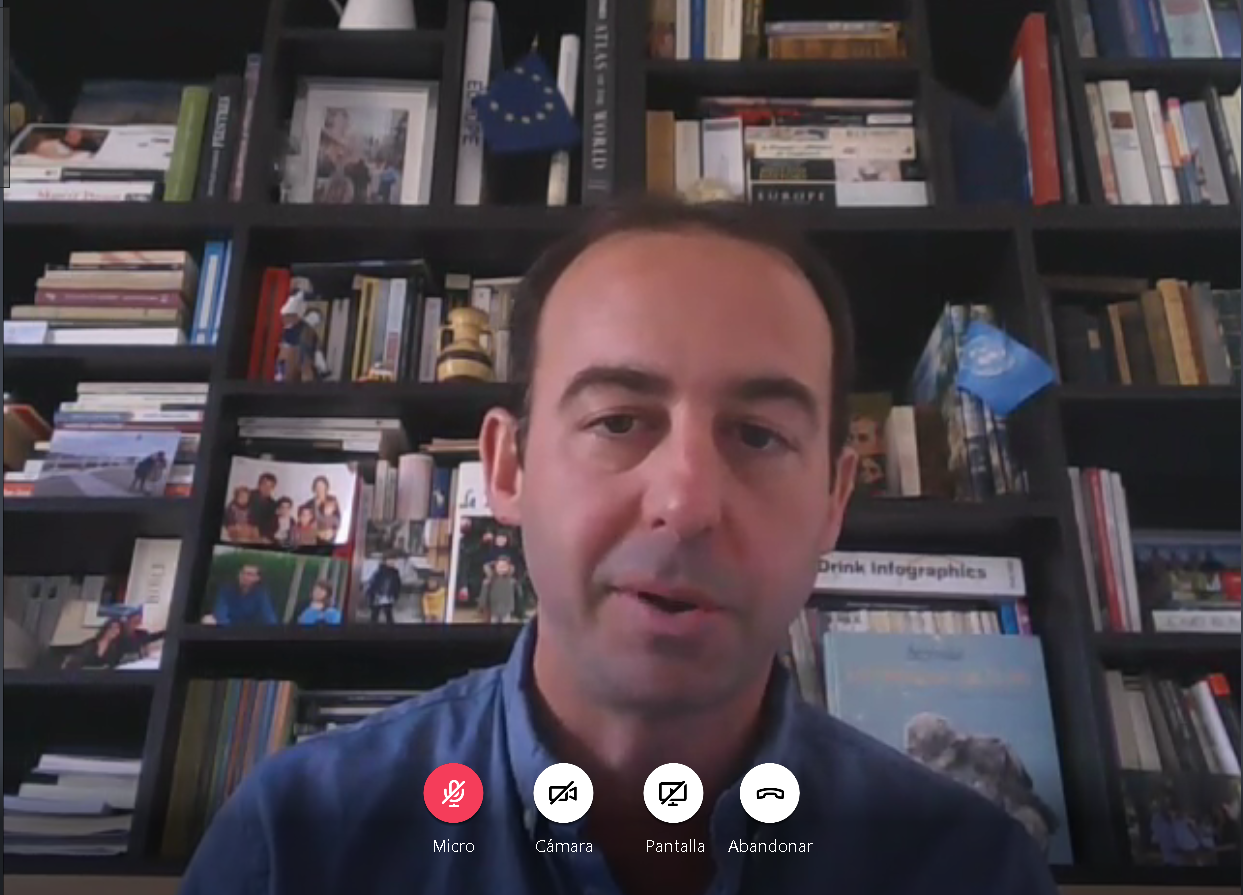
Pablo López Álvarez, Vice President of the Chamber and host of the event, began by making a presentation of the speakers, thanking them for their participation as well as to all the attendants. Before moving on to the speeches, he gave a brief introduction on the current historical situation we are experiencing and which, without doubt, has radically changed the EU’s trade agenda.


blank

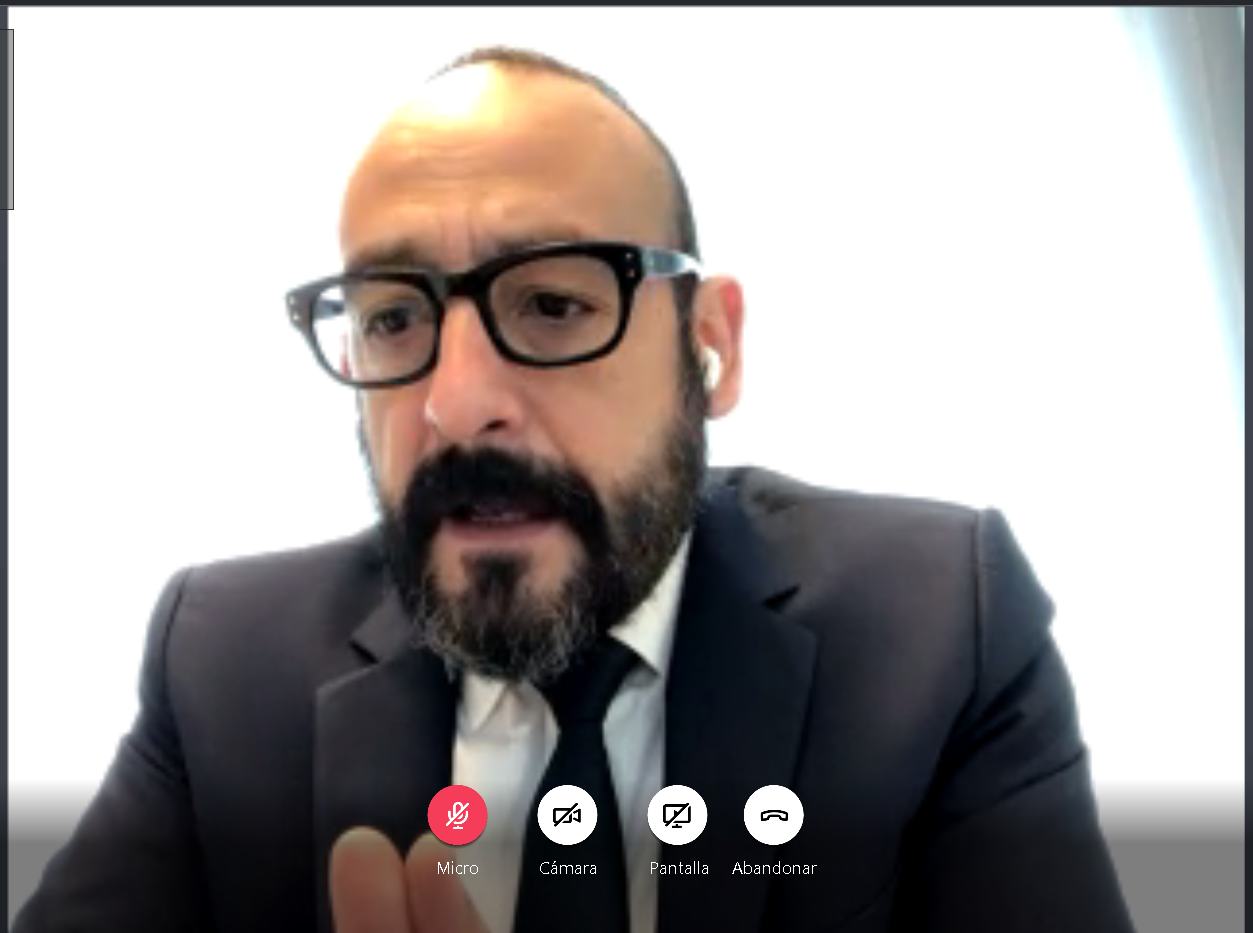
MEP Jordi Cañas began by making a deep historical and geopolitical reflection on the current context, which seems to announce a fall in commercial and economic terms unprecedented since the Second World War on the continent. This health crisis has highlighted the different social tensions that already existed and which generate rejection of international trade in certain social circles throughout the European Union. In addition, the INTA committee faces two major challenges. On the one side, the need to give a definitive resolution to Brexit and on the other hand, the need for negotiated solutions to transatlantic trade tensions. Under these circumstances, however, both the European project and the role of the EU as a global actor are more at stake than ever, and it is therefore worth reflecting on where we want to move forward as a union.


blankMEP Immaculada Rodríguez-Piñero first thanked the enormous effort that many Spanish companies are making to redirect their production towards the manufacture of vital medical products in these circumstances, providing gowns, masks, disinfectant gels and respirators. This current crisis undoubtedly highlights the need to reorganize the governance of globalization with the World Trade Organization (WTO) and other international organizations to make it functional again and to serve as a means for negotiating resolutions of trade disputes. A strong reaction by the European Union to the imminent economic recession is also required, one that is truly solidary, without conditions, and one that revitalizes the European industrial network to avoid excessive dependence on certain products. As far as the priorities of the INTA Committee are concerned, some topics are frozen like the final resolution of Brexit, where greater transparency on the British side is missing, or the negotiations with the US for the negotiated solution of numerous problems that significantly affect the Spanish countryside and the investments of Spanish companies in Cuba as a result of the Airbus ruling.

During the Q&A session, the participants were able to ask the speakers on numerous issues of interest. Thus, various topics were discussed, such as the process of ratification of the trade agreement with MERCOSUR, which could represent an important precedent in the relations between the EU and Latin America, the complex situation faced by the naval sector, the European standards in sanitary products or the necessary visibility of the social economy also in trade agreements.


blank