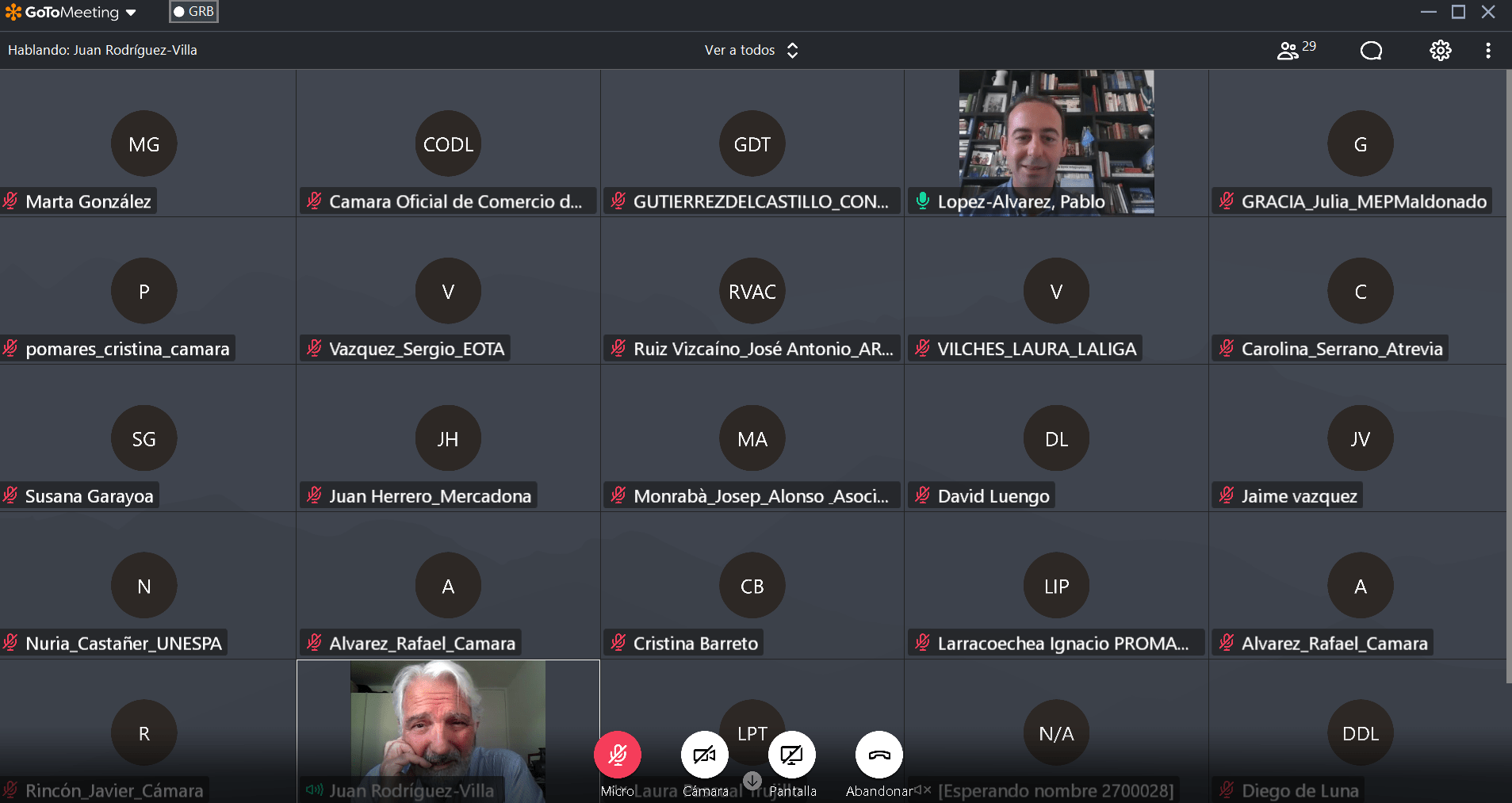
Online-Breakfast Debate: “European Recovery Plan: Current situation and future perspectives”
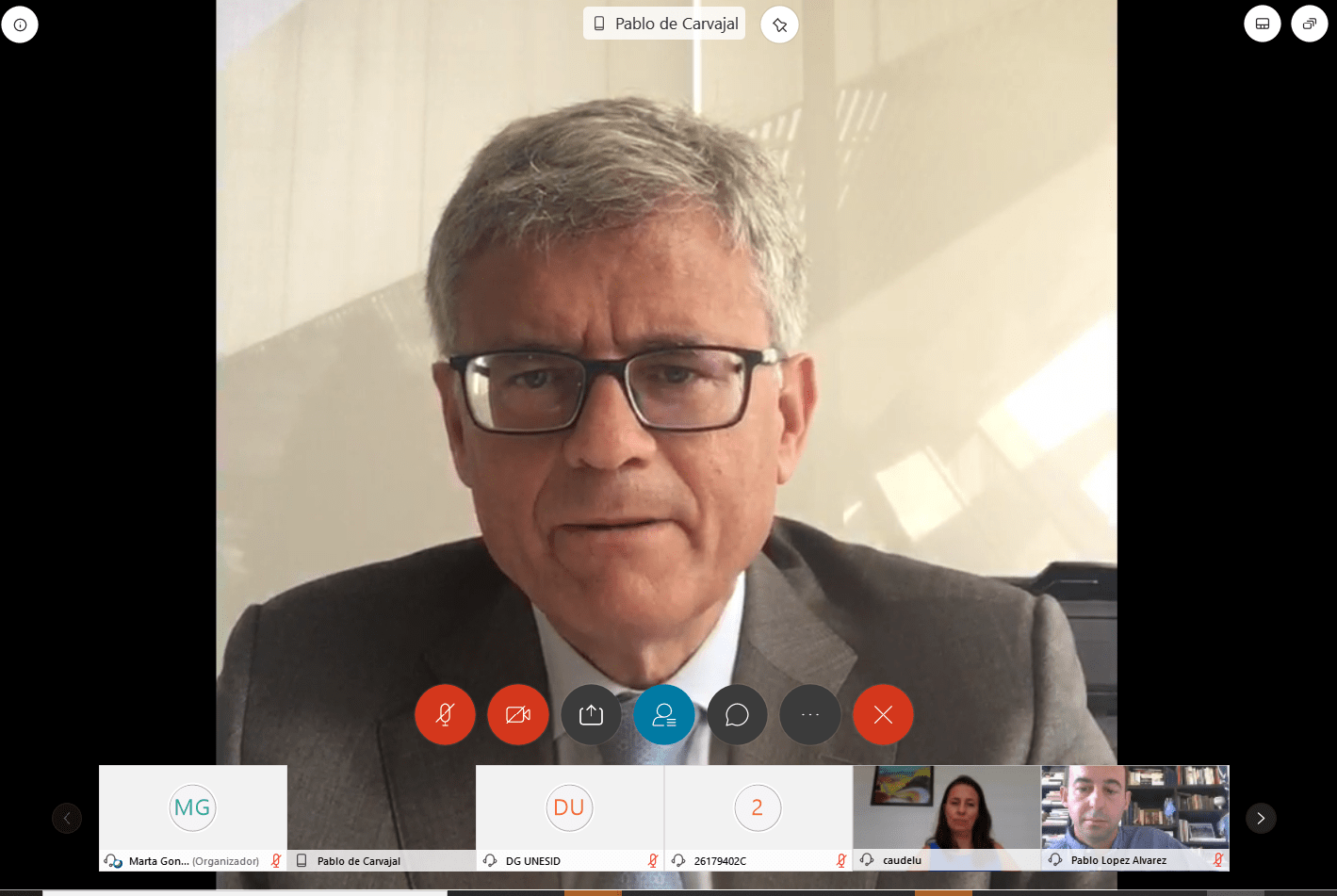
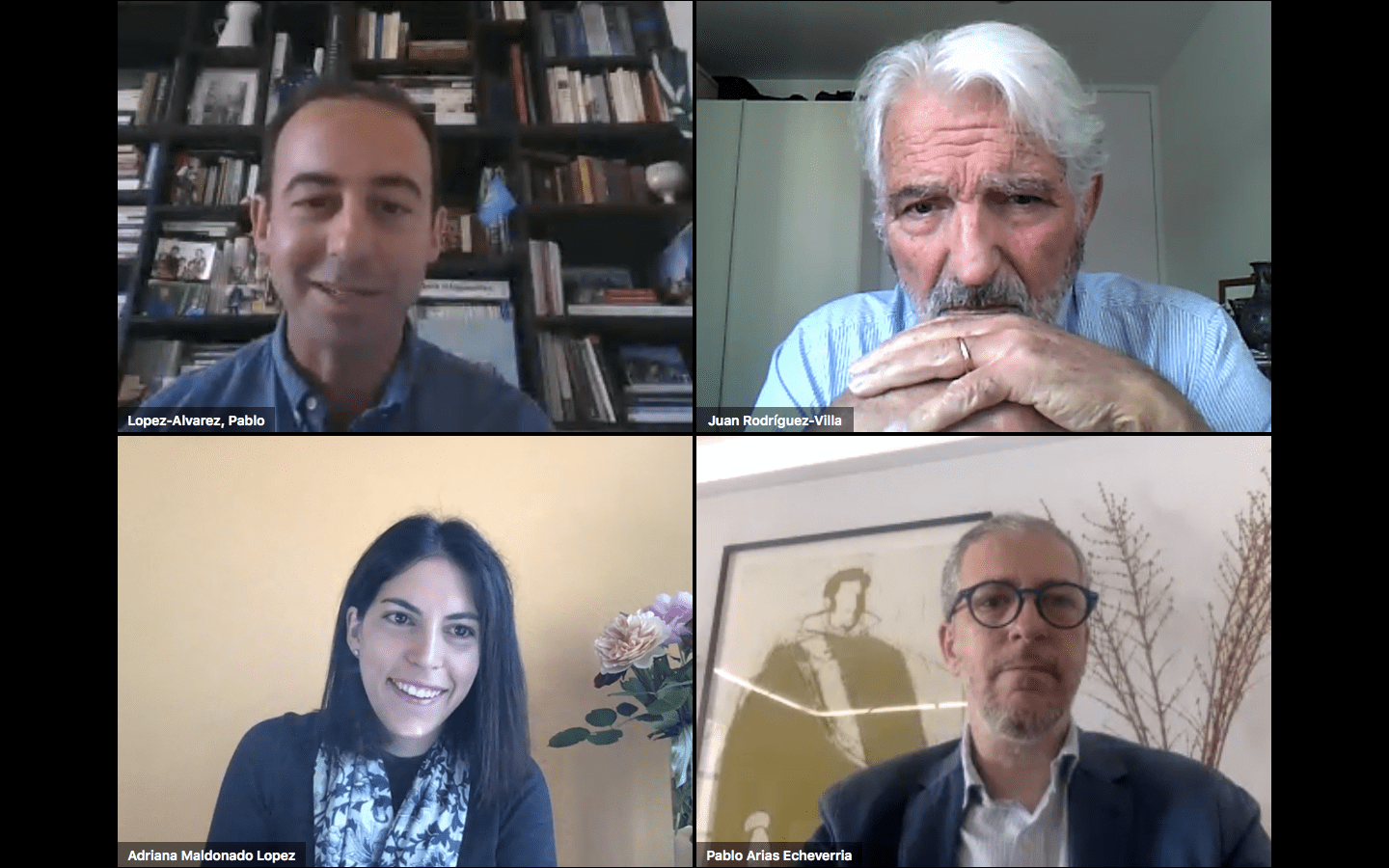
On Thursday 5 November, the Official Spanish Chamber of Commerce in Belgium and Luxembourg organised a new virtual breakfast debate in the framework of its “Business Circle” platform, which focused on the “European Recovery Plan: current status and perspectives” and featured Enrique Verdeguer Puig, Counsellor of Economy in the Spanish Representation to the EU, Marta Marin Sanchez, Delegate of the Basque Country to the EU and Patricia Cirez Miqueleiz, Permanent Delegate of the CEOE to the EU.
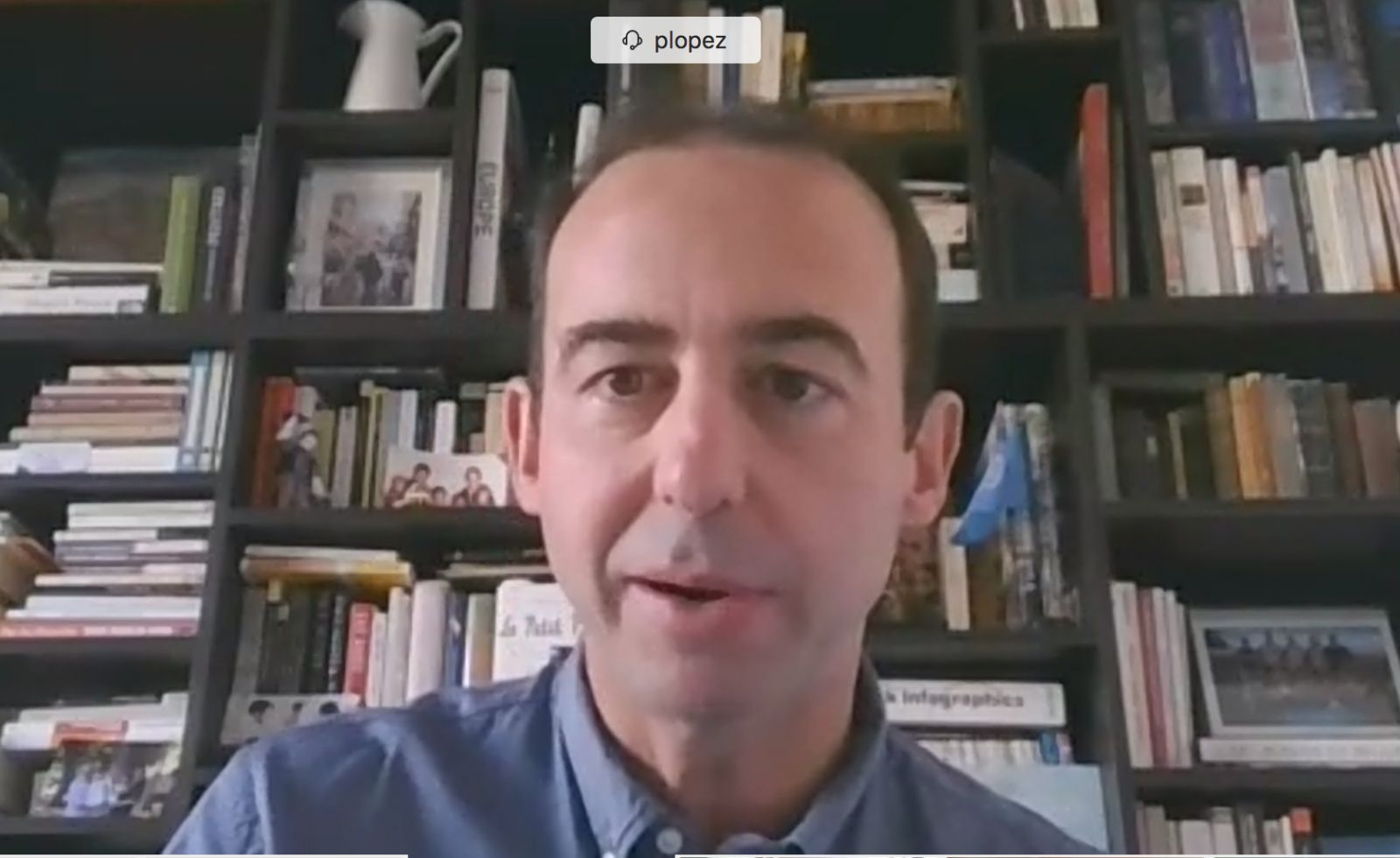 Pablo López Álvarez, Vice-president of the Chamber and moderator of the event, welcomed and thanked the speakers and all those present for their participation.
Next, on behalf of the partner company and sponsor of the event, Ruth Estrada, partner in Schuman Associates, took the floor. Estrada initially stressed the unprecedented scale of the recovery funds under the Next Generation EU funds for a total of 750.000 million euros, of which Spain will be the second country to benefit most with 140.000 million, which represents 1.8% of the European Union’s GDP and around 70% of the 2020-2027 Multiannual Financial Framework. These investments, which are eminently public, must go hand in hand with public-private collaboration in order to immediately face the economic consequences of the current pandemic and, in the medium and long term, comply with the Union’s strategic objectives regarding the decarbonisation and digital transition of our economies. Estrada also wanted to highlight the fact that these European investments will be managed at the level of the Member States through national budgets.
 Enrique Verdeguer Puig began his speech by describing the latest developments in the Next Generation EU’s negotiation, which are part of a broader debate with the Multi-annual Financial Framework and are complicated by certain sensitive points such as the rule of law or its link with other European programs. From the Council of the European Union, Member States have already concluded the appropriate agreements and everything is on track for the imminent opening of negotiations with the European Parliament through the trilogues. Despite the progress made in the negotiations and the general optimism, there are some specific points which are causing concern among the Union’s partners, such as the governance of payments in complex administrative contexts such as Spain, and the European Commission’s audit and control mechanisms over these funds. In this particular context, the Spanish administration is in constant dialogue with the European Commission through the competent task force. Finally, the Counsellor of Economy wanted to highlight the approval scheme that the Member State will have to go through before receiving the payments, such as the presentation of the national plans (until April) that will have to be linked to the recommendations of the European semester and the medium-term objectives of the European Union.
 Secondly, Marta Marin Sánchez took the floor and referred to the need for the Autonomous Communities to be features within Spain’s national plan in those areas of their competence such as health, employment and education. The Basque Government Delegate in Brussels wanted to highlight how part of the recovery funds should be channelled to the Autonomous Communities through transfers from the state level and then implemented under programs or tenders that fit in with other strategic projects. In this scheme, it is also important to take into account the local level in order to try to adapt investments as much as possible to the terrain, and this is where opportunities for public-private partnerships can arise.
 Thirdly, Patricia Cirez Miqueleiz made an intervention, presenting the business perspective on the Next Generation EU. The permanent delegate wanted to highlight the effort being made by CEOE to disseminate the opportunities presented by these funds for the private sector through the opening of a technical office and the creation of a digital platform to address the concerns of Spanish companies. In order to efficiently optimise these funds, it will be necessary to reform the administrative regulations in Spain to limit or shorten the deadlines and requirements of some administrative mechanisms given the size of the investments and the short time frame for their execution. Cirez also highlighted the fact that these funds must go hand in hand with structural reforms in areas such as the labour market, maintenance of pensions or ecological and digital transformation in order to comply with the recommendations of the European semester. Furthermore, these funds must not lose sight of recovery in the short term and must therefore be urgently directed towards the most affected sectors by the Covid crisis.
During the time for questions, the attendees were able to express their doubts and comments on numerous issues of interest such as the reduction of the administrative burden for companies that participate in these mechanisms, the different sensitivities present in the negotiations, the possibilities of public-private collaboration that includes the third sector, as well as the objectives of convergence and integration of the European Union in the recovery funds.
From the Official Spanish Chamber of Commerce in Belgium and Luxembourg we would like to thank Enrique Verdeguer Puig, Marta Marin Sánchez and Patricia Cirez Miqueleiz for their participation, and our partner company Schuman Associates for sponsoring this breakfast debate and all those present for their attendance.


 participation in the Breakfast-Debate. Luengo made a brief presentation of the speaker along with a general description of the agenda for the digitisation that is managed from the Office of the Vice President Vestager. He also wanted to highlight Indra’s commitment with new international markets in this new wave of digital innovation.
 Afterwards, on behalf of the member company and sponsor of the event, Iberdrola, its Director of European Public Affairs, Eva Chamizo, took the floor and thanked the spekaer and the entire team of the European Commission’s Working Group for Recovery and Resilience, for their great work in contributing from the European institutions to economic recovery. Chamizo stressed the need to commit to a green and sustainable recovery linked to the objectives of the Green Deal and allows private investment in clean energy. She also highlighted Iberdrola’s long career in prioritising investment in green energy, which made Iberdrola stand out among the leading companies in the sector.
 This plan is aimed first and firstly at the ecological transition of the European Union towards a climate-neutral Europe by 2050 in line with the Green Deal. The speaker also highlighted as the second key of the economic recovery, the digital transition to adapt our economies and societies to new technologies. Fábregas went on explaining that it will be up to the Member States to present their national recovery plans to the European Commission from 15 October, which will ensure that they are properly implemented through the auditing and control mechanisms that are being applied to all European funds. The Director of the Working Group for Recovery and Resilience explained that the management of the mechanism’s funds will have to be done in accordance with the constitutional order of each country and in accordance with the distribution of competences in the case of decentralised Member States. However, national governments will have a certain margin to determine how they will manage them, either through transfers to sub-national entities (federated states, autonomous communities, etc.) or through central agencies.
 Del Castillo also emphasized the need for the legislative proposal made by the Commission to take into
 Lina Gálvez took the floor talking, firstly, about the modification of the priorities of the ITRE committee as a result of the crisis of the COVID as well as the energy and digital transition (twin transition), mentioning the decrease in commitment to research and renewal by the EU in the latest budget negotiations, which she considers a big mistake. The MEP also explained how in Europe there has never been a single industrial strategy, although it is clear that there should be as a result of this crisis. Gálvez also stressed the importance of green energy, with the horizon of climate neutrality for 2050 to which not all member countries are at the same point. He also referred to how climate and energy legislation have a central weight in the regulatory agenda of the coming years: hydrogen, electric batteries and the long-term commitment to green energy are some of the items on the agenda.