Luncheon-debate with José Manuel Campa, Chairperson of the European Banking Authority (EBA)
On 15 June, the Official Spanish Chamber of Commerce in Belgium Luxembourg held a new luncheon-debate at the Cercle Münster in Luxembourg, which was attended by José Manuel Campa, Chairman of the European Banking Authority (EBA). The event was entitled “The major challenges for European banking in the current environment”.
A wide range of people attended the event, including executives from Spanish banks, consultancy firms and public bodies.
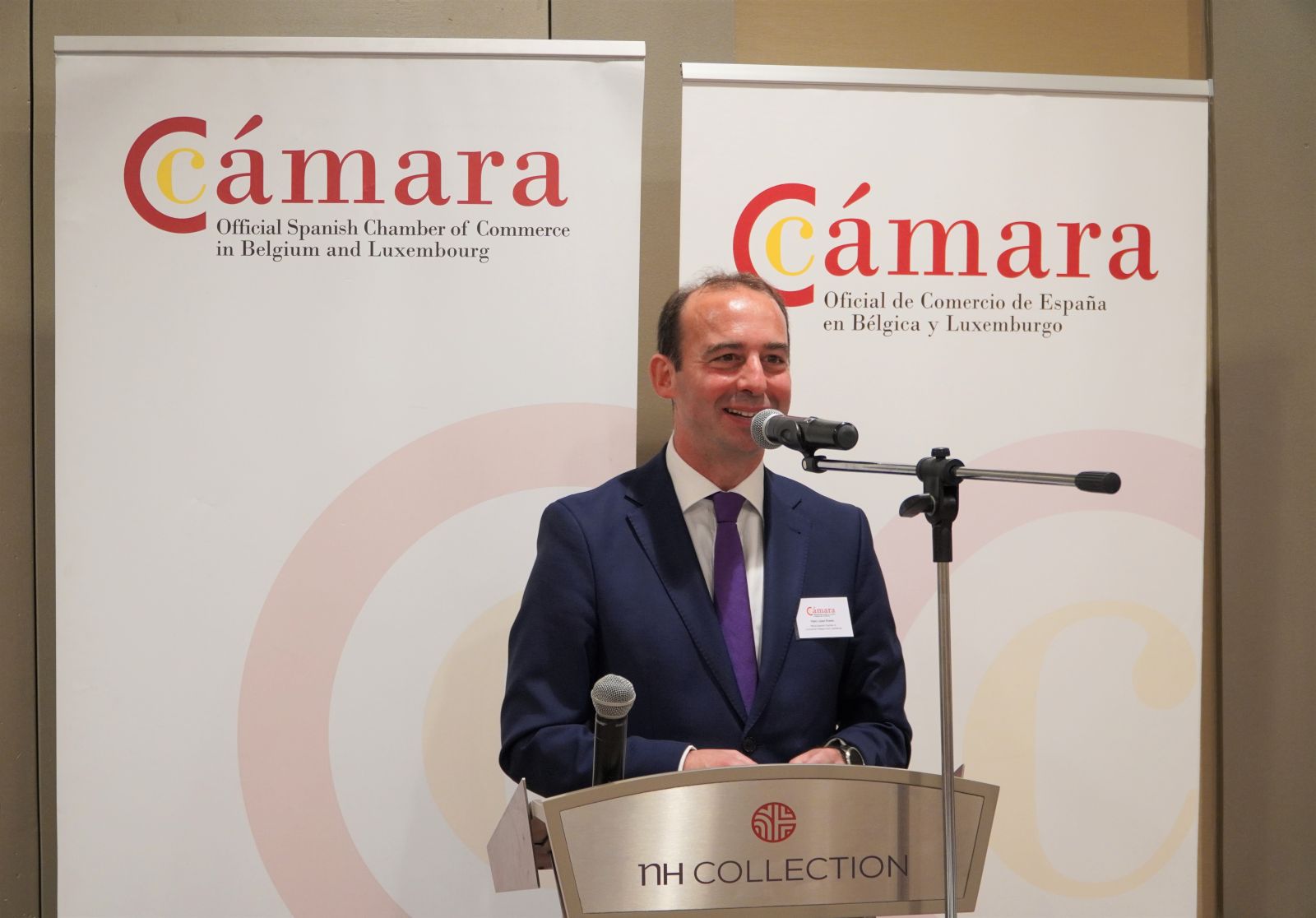
The event was opened by the President of the Chamber, Pablo López-Álvarez, who took the opportunity to thank all those present for their attendance. He then highlighted Campa’s extensive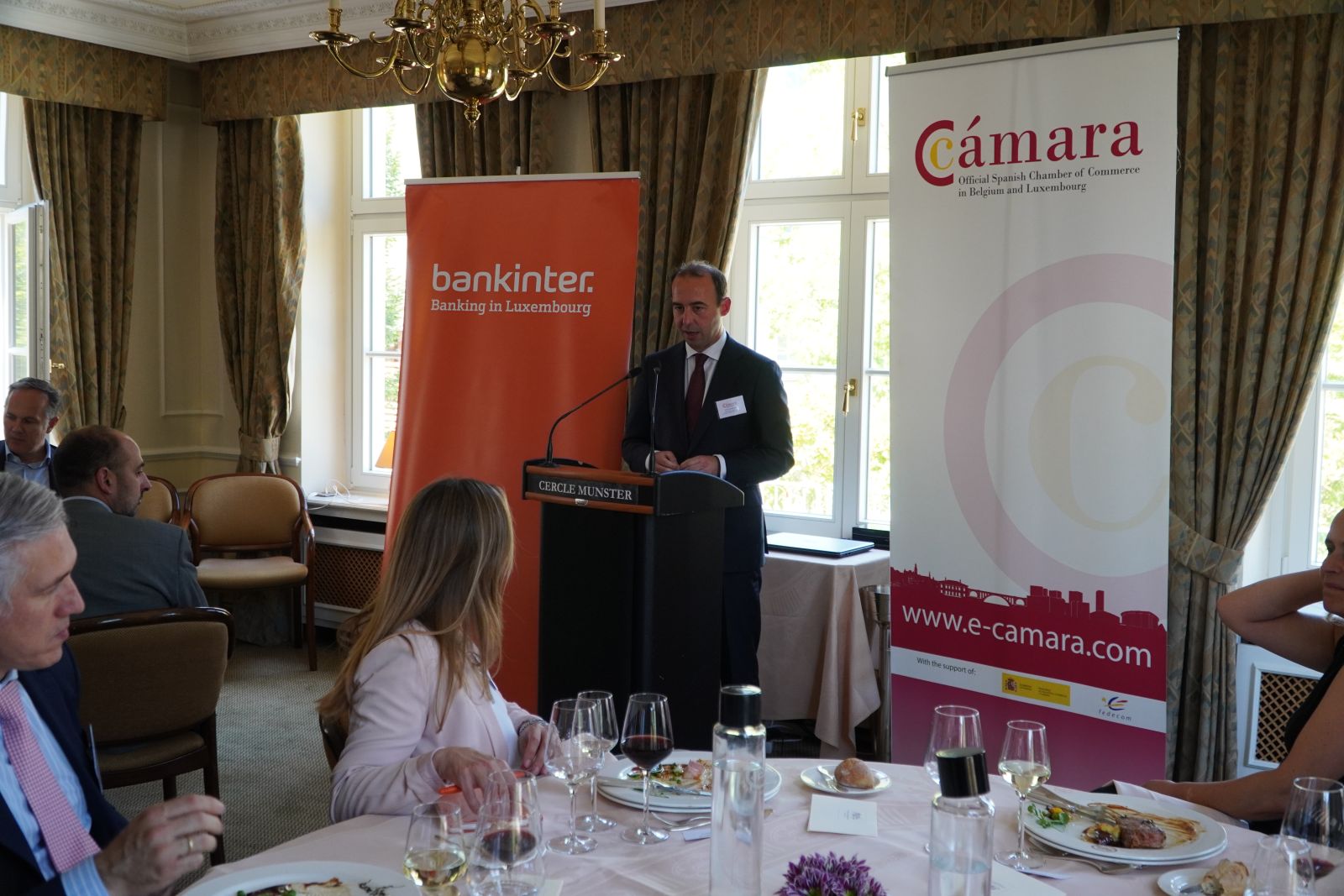 career, highlighting his experience as Secretary of State for the Economy at the Spanish Ministry of Economy and Finance and at Banco Santander as Global Head of Regulatory Affairs at Banco Santander. López-Álvarez also stressed the importance of monetary policies and banking regulations.
Campa took the floor and began his speech with a brief summary of the situation in recent years, since he took over the European Banking Authority in 2019 until today, emphasising the challenges of having to move the EBA headquarters from the UK to Paris at the beginning of his mandate due to the situation created by Brexit, in order to keep it within the EU.
Origins of EBA
After the introduction, the speaker went on to talk about the origins of his institution, which date back to 2011 as a consequence of the 2008 economic crisis, and proceeded to explain his role, which, in general terms, is to build a greater Europe from the banking sector.
He went on to talk about how the banks handled the pandemic situation, explaining that it turned out better than expected and reported that bankruptcy has decreased over the years.
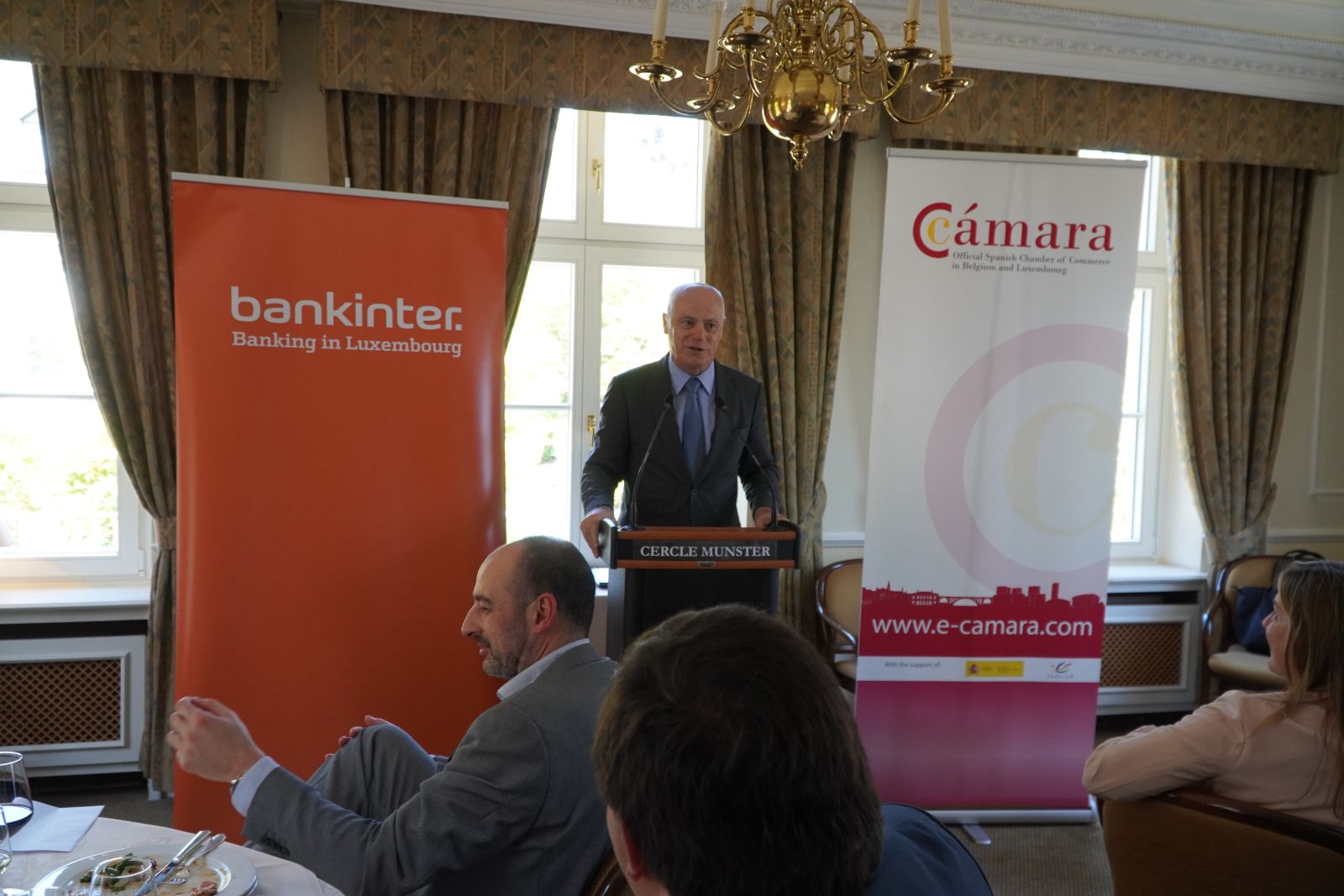 However, Campa also placed particular emphasis on the current problems in the supply chain, which is not functioning properly and supply is not keeping up with demand. He concluded his speech by addressing the current banking problems related to the war that is generating a series of disruptive changes in the environment.
To conclude his speech, the president of the EBA explained the two major challenges facing the banking environment, which are technological changes (Fintech) and climate change.
The presentation was followed by a question and answer session where participants were able to express their opinions and raise different issues related to the presentation.
La presentación fue seguida de una sesión de preguntas y respuestas en la que los participantes pudieron expresar sus opiniones y plantear diferentes cuestiones relacionadas con la presentación.
 extensive career of the speaker Weyand, who holds a PhD in political science from the University of Tübingen and has a long career in the European institutions.
 European companies and ensure their competition in a global market.

 partners of the Chamber.
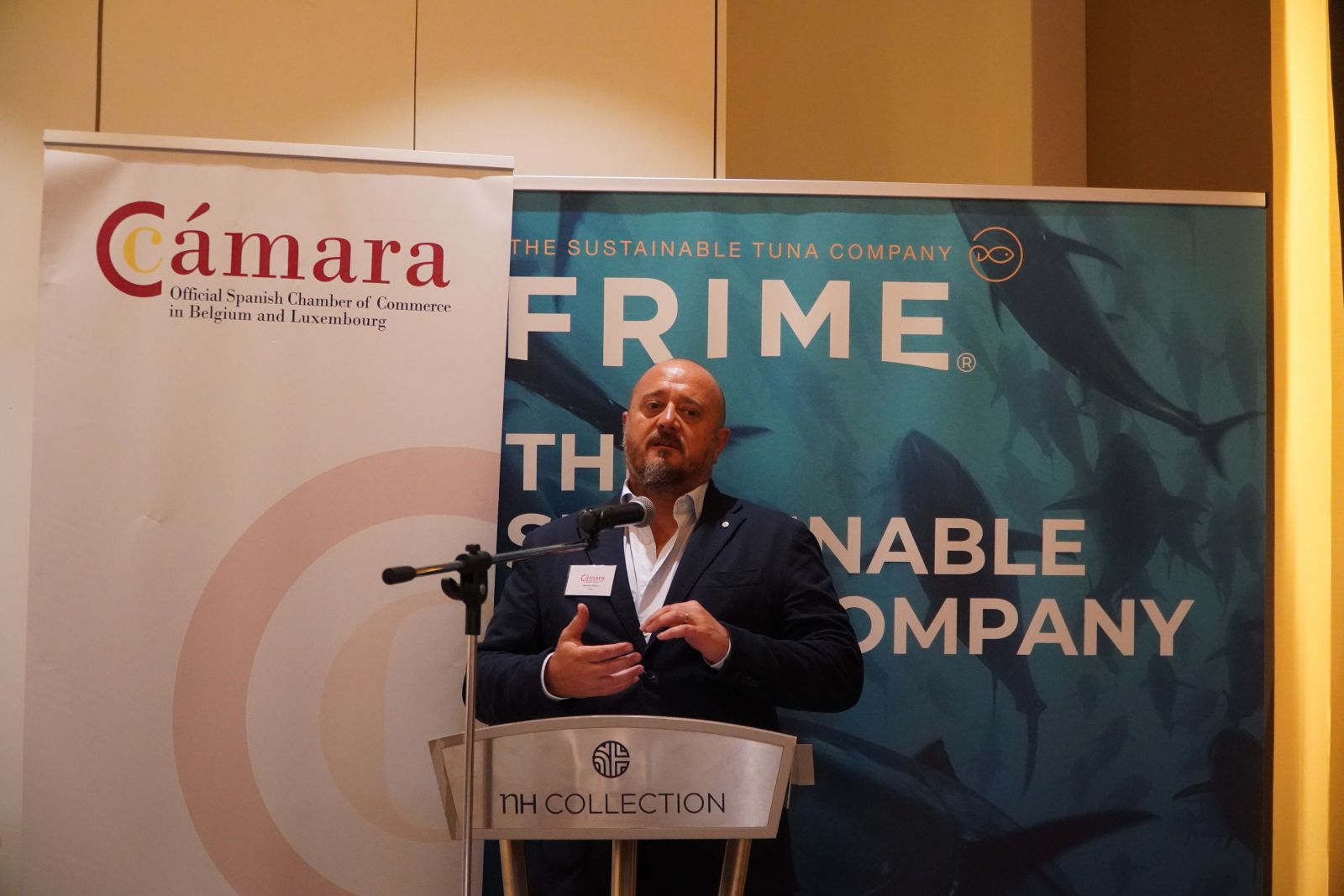 The President of the Chamber also introduced Salvador Ramón Mateo, President of FRIME, the company that sponsored the event. FRIME – “The Sustainable Tuna Company” is a company with a family tradition, leader in the commercialisation of sustainable tuna with more than 40 years of history. Salvador Ramón highlighted different achievements of the company during his speech and told us about the future plans of the company and its continued commitment to R & D in the optimization of all its processes, after which he gave the floor to the speaker.
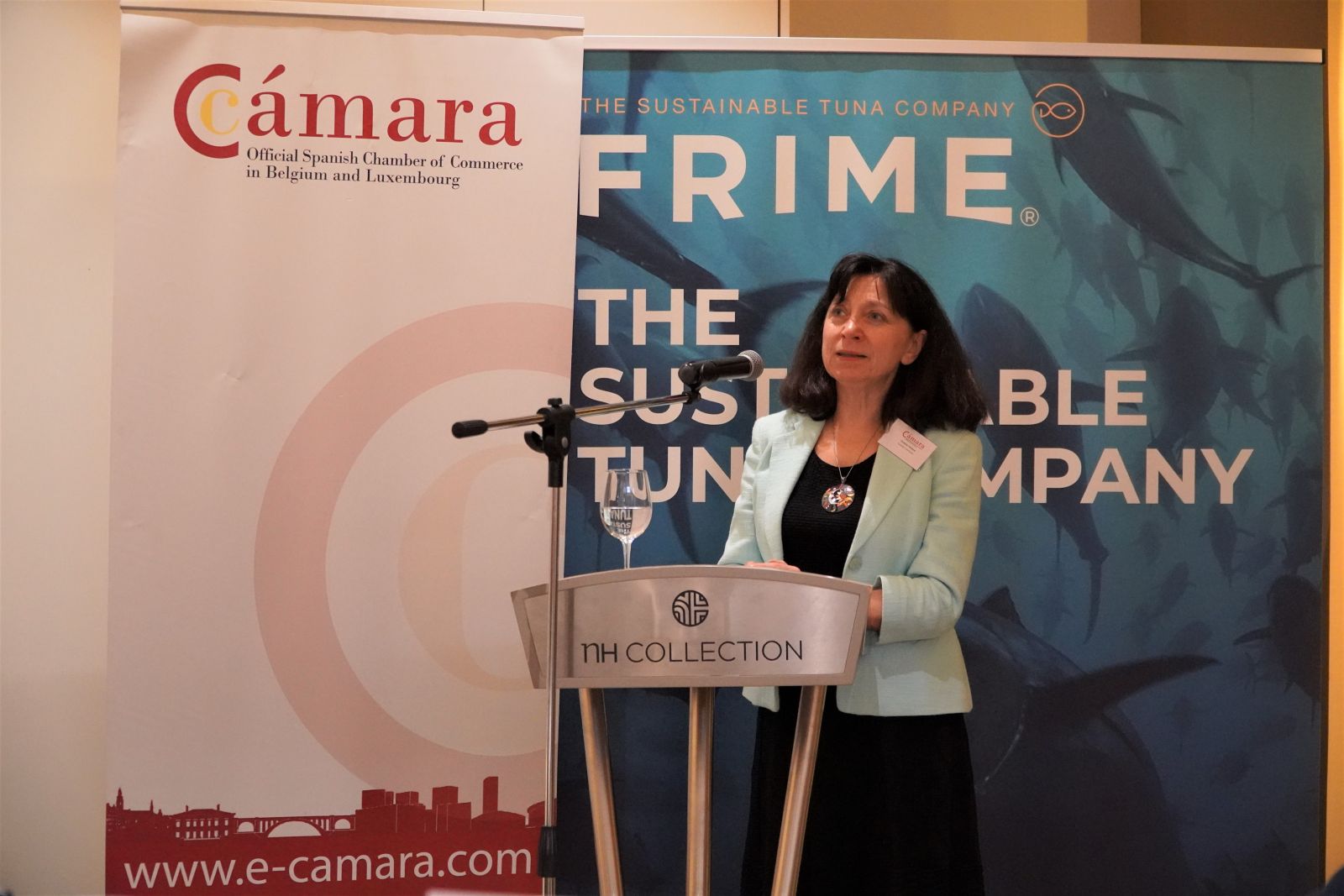 the most vulnerable sectors of the industry in this crisis situation caused by Covid-19 and the war in Ukraine. According to Vitcheva, the rise in fuel prices, which has had a major impact on maritime workers, once again demonstrated the urgent need for the fishing sector to move towards a decarbonised industry that is gaining energy autonomy to ensure its future activity.
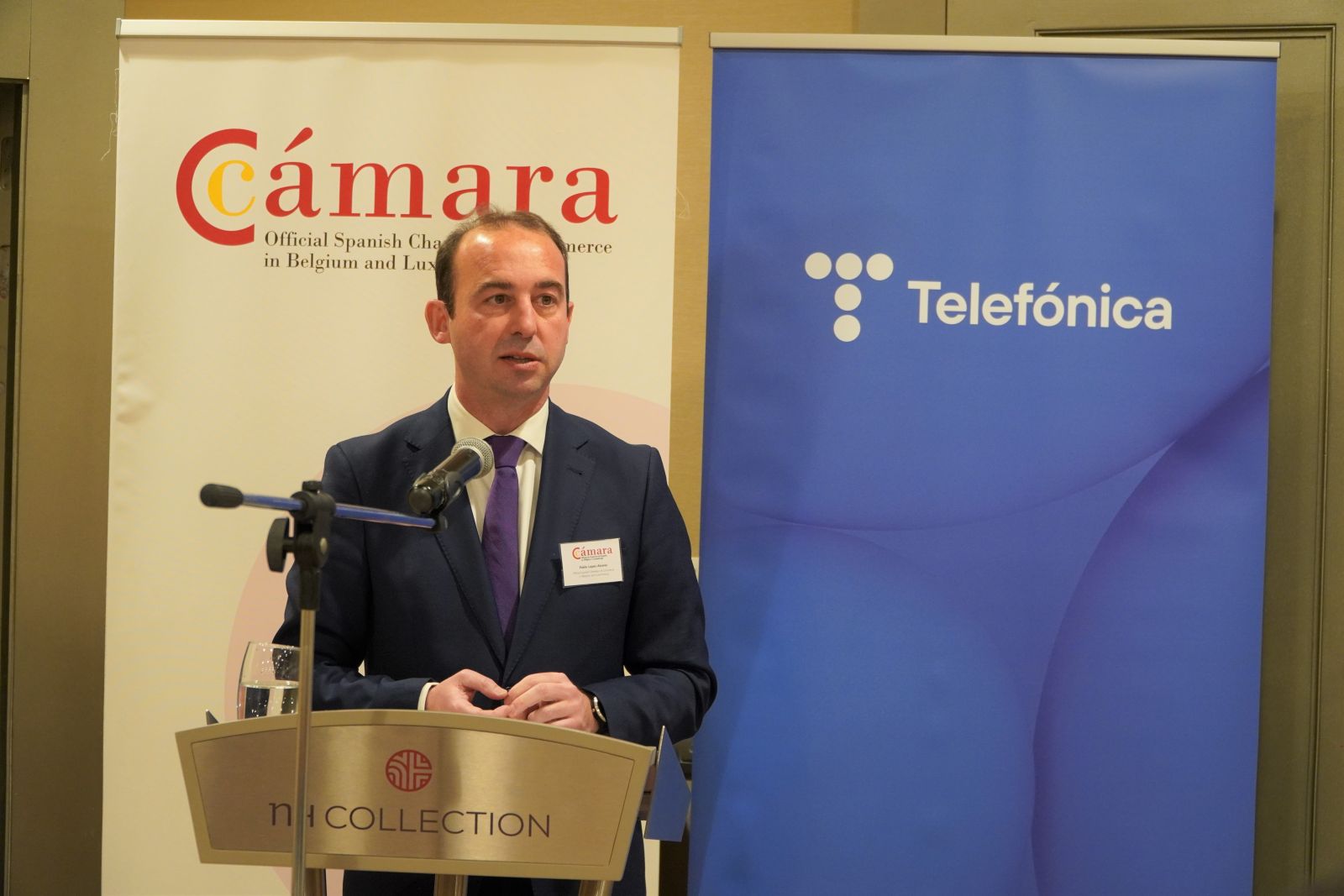
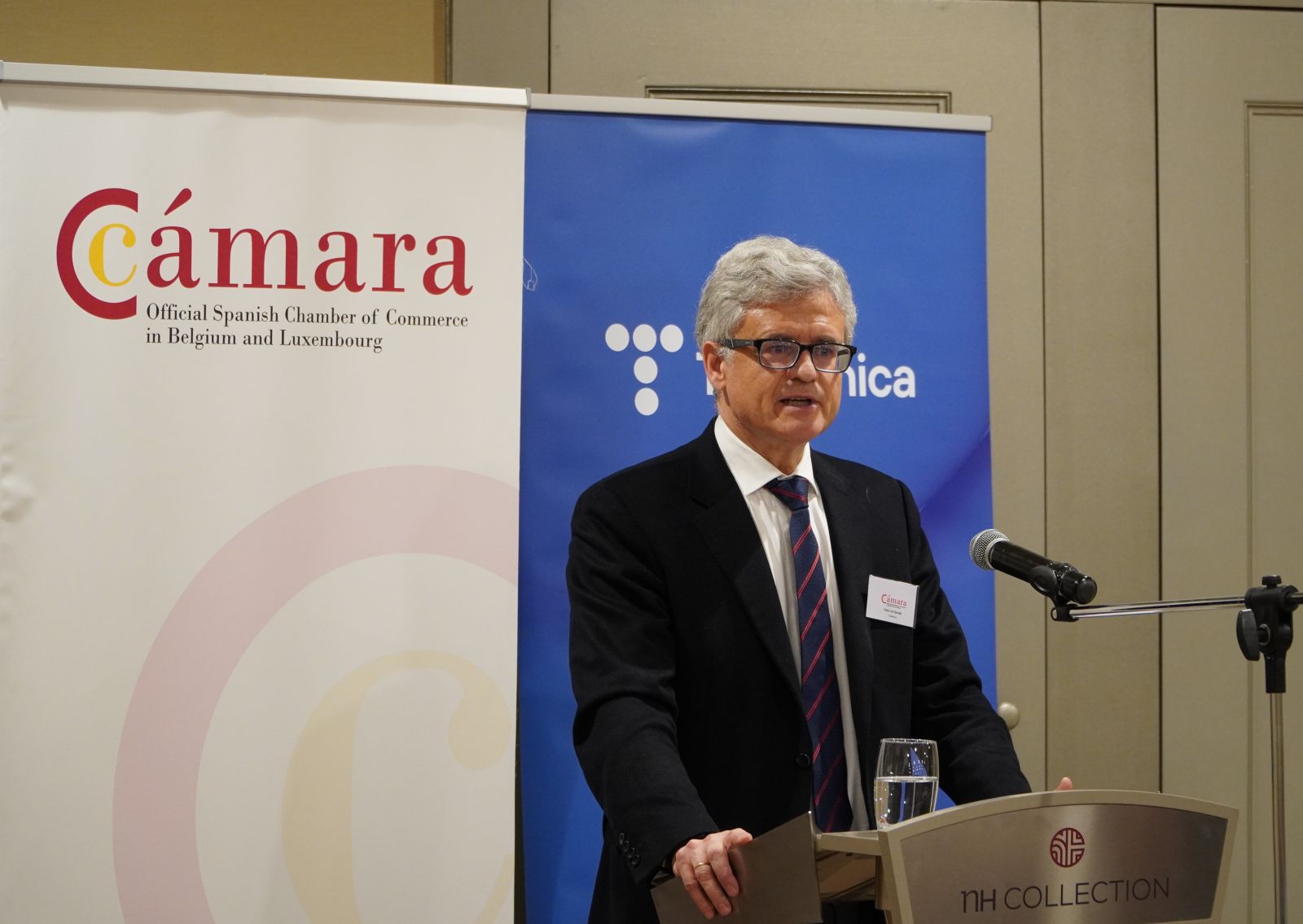 The President of the Chamber also introduced Pablo de Carvajal, Secretary General and Regulatory Affairs of Telefónica, sponsor of the event. De Carvajal highlighted that the continuous transformation of the industry and economy in diverse issues such as digitalisation make a joint industrial policy that promotes European sovereignty in strategic sectors such as telecommunications indispensable. After her speech, he gave the floor to Olivier Guersent.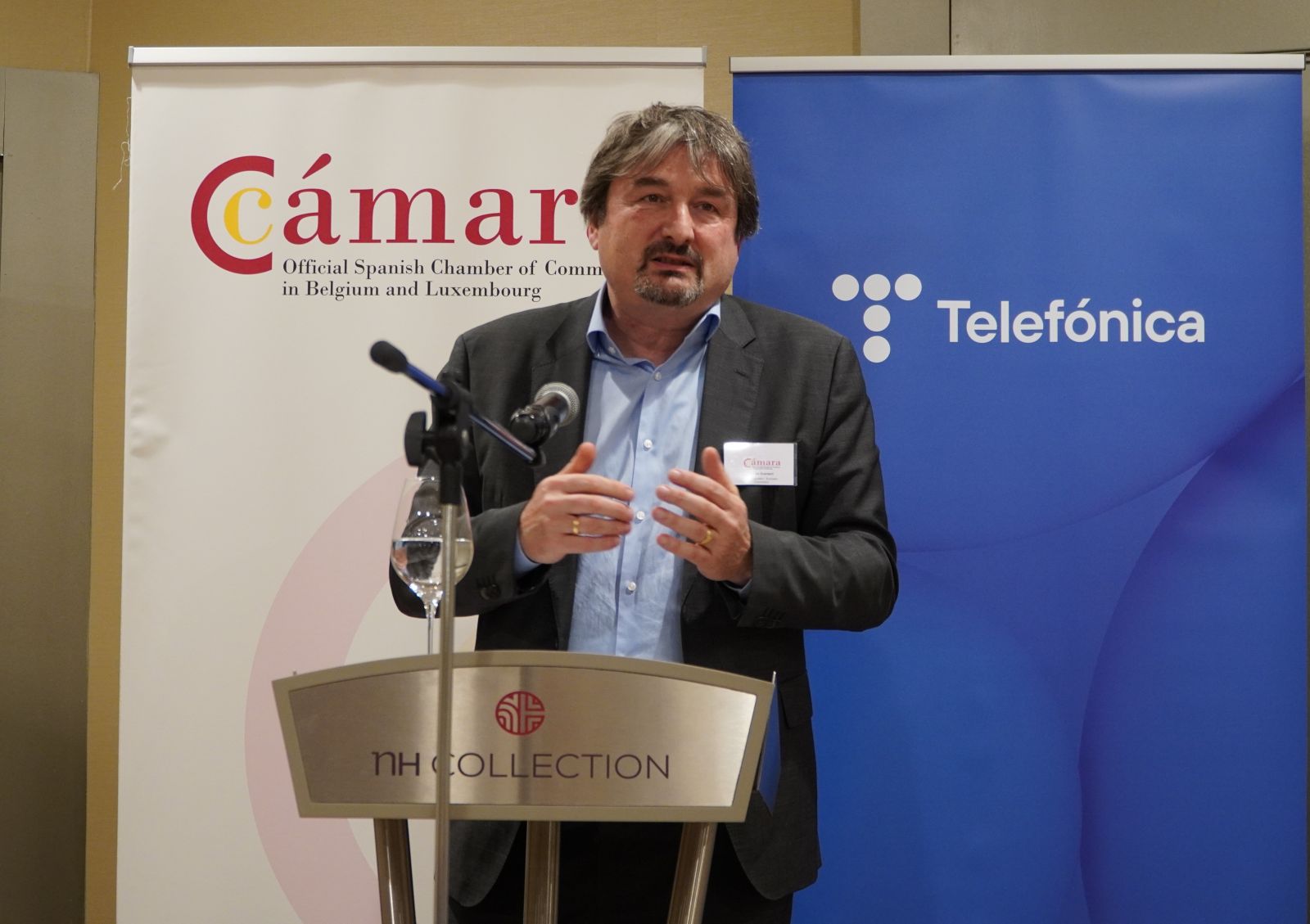
 facing in relation to energy and the importance of a regulatory framework adapted to the current context.
 Focusing on how European industries must transform themselves to adapt to the challenges posed by packages such as the Fit for 55, Thomas clarified that the answer cannot come from the regulatory framework alone, stressing that taxation tools can and should play a key role in providing concrete incentives for companies to move forward and adapt to the current situation.
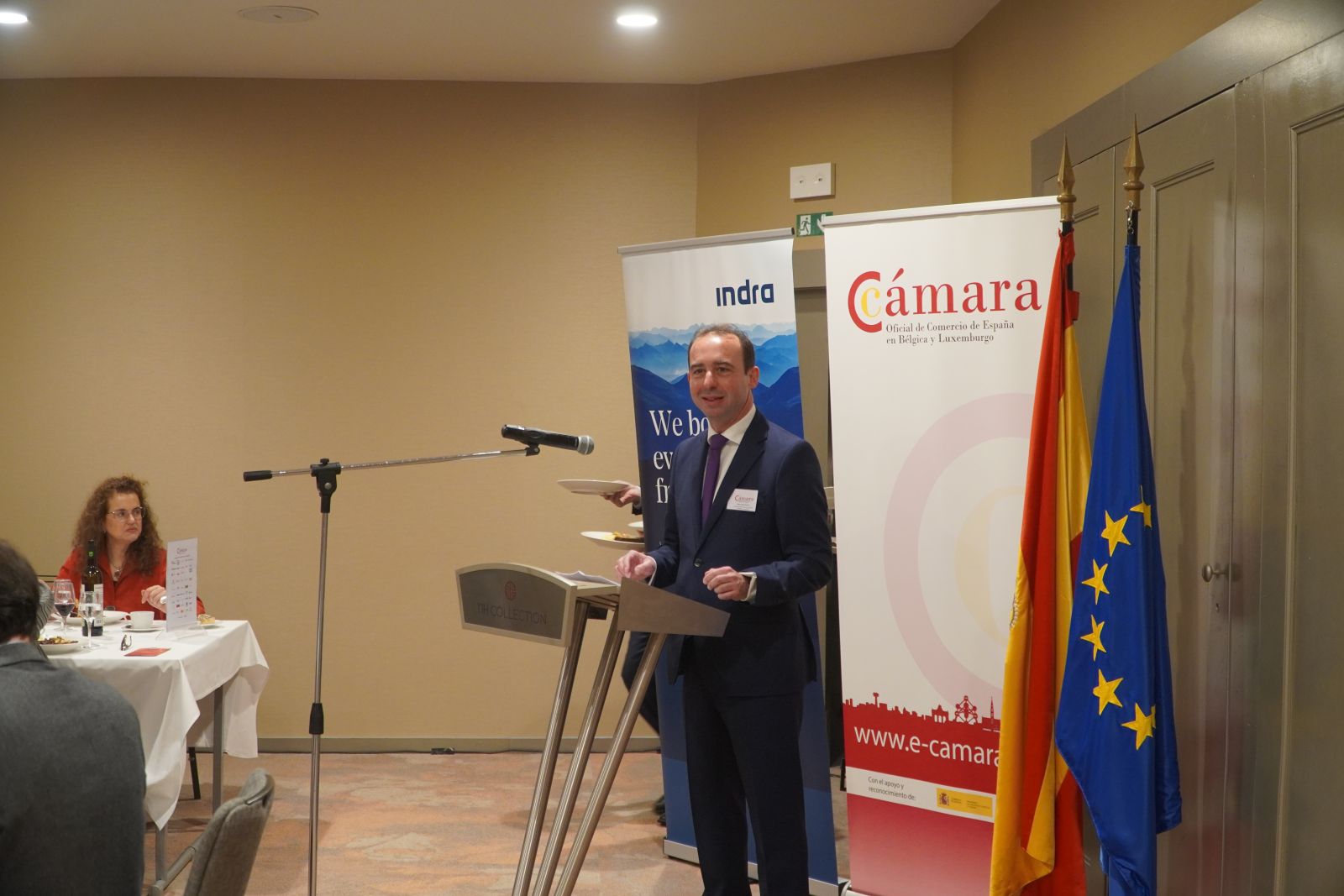 López-Álvarez also introduced David Luengo, Managing Director of Indra in Brussels, and sponsor of the event. Luengo presented his company, an international benchmark in consultancy and technology, and highlighted the current and future importance of technology in European policies, as well as the opportunity that the recovery funds represent for the transformation of Europe. He also emphasised Indra’s determination to lead European projects that provide greater recognition to the company’s products and foster its international expansion, and then gave the floor to Marcos Alonso.
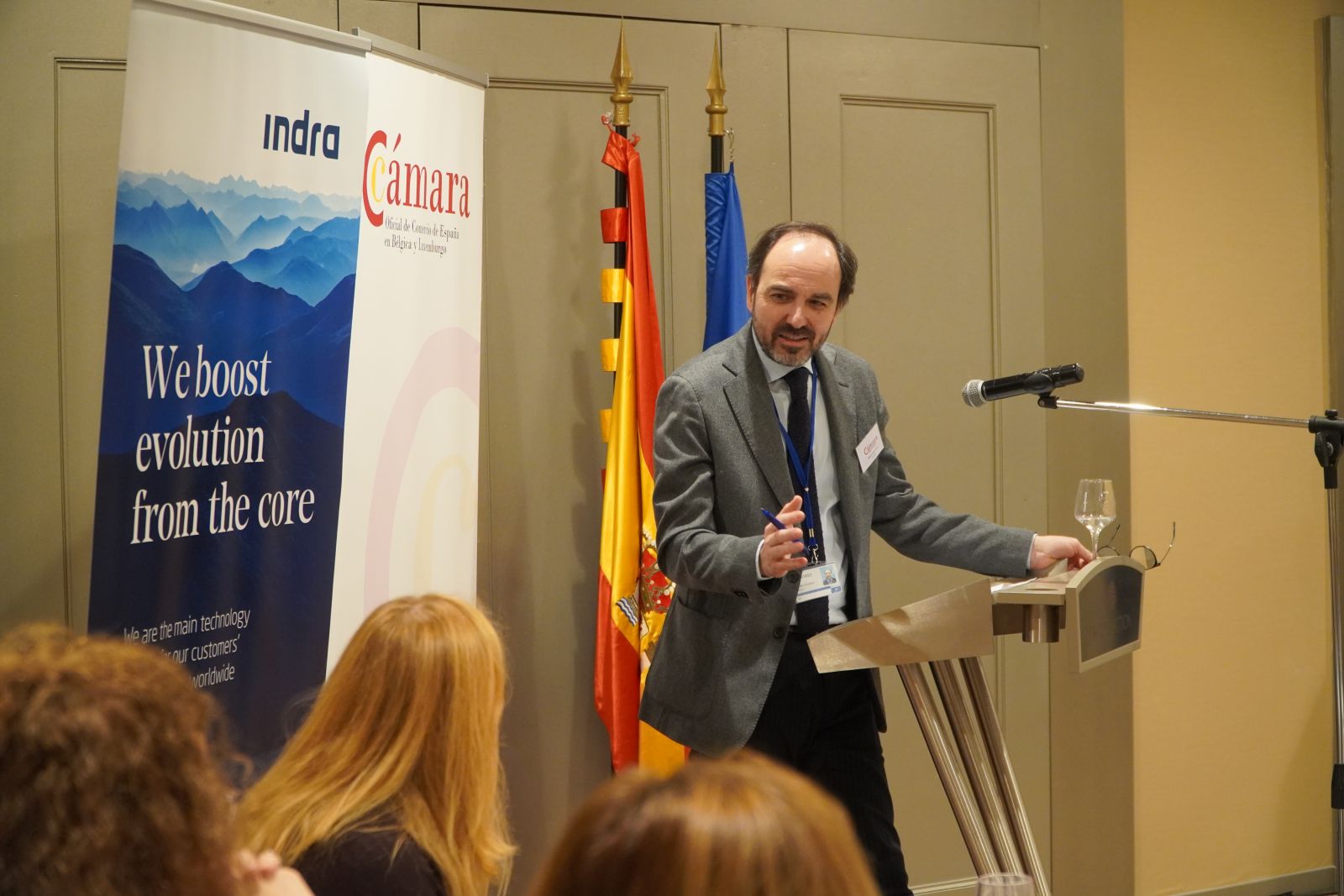 During his speech, Alonso devoted much of his time to explaining the lines of work that will undoubtedly have to be present when Spain is in charge of presiding over the EU Council. Among them, he highlighted the promotion of the Schengen area as a great achievement of all EU members, and the new framework of relations that must be built with the United Kingdom, given its position as a strategic partner of the Union and particularly for Spain.