The entrepreneurial spirit in the times of COVID

José Serrano and Jaime Kelly are two entrepreneurs who were working together thanks to the Erasmus for Young Entrepreneurs (EYE) program before the COVID-19 crisis started. They share with us their experience and how this crisis has affected them.

José Serrano is the founder of Dlinea and one of the Spanish Chamber’s hosting entrepreneurs within the Erasmus for Young Entrepreneurs (EYE) program in Luxemburg. Thanks to this EU program, whose objective is to promote the exchange between entrepreneurs from different European countries, he got in contact with Jaime Kelly passionate new entrepreneur from Spain.

José joined the program two years ago because it seemed interesting to him to give young architects the opportunity to get to know better Luxemburg and its architecture since there are fairly quality buildings.

In December, he started to collaborate with Jaime, whose professional experience was limited to two architectural firms and one design firm, but who had the idea of setting up an architecture and design office on his own. Before embarking himself on that adventure he began to look for programs that would allow him to achieve this goal and he registered in the EYE.

For the first months, they were working on the conception of project plans, whether they were new construction or renovations or transformations of buildings. During the last months, due to COVID-19, they decided to renovate their working plan, order to get the best of their exchange considering the security measures imposed in Luxemburg and reduce the risk for both.

Site visits were canceled and meetings with clients started to be online. Jaime also took advantage of the situation to getting even better acquainted with ArchiCad, the program they use at their office.

José highlights that the Erasmus for Young Entrepreneurs “Without a doubt, has been very beneficial, to introduce a new person to our team with new ideas and other experiences in order to provide solutions to all kinds of problems and challenges”.

For Jaime, the good ambiance and teamwork that they had are what he values the most. “The energy and good humor of the office team is very stimulating and has allowed me to develop ideas and acquire knowledge at a much higher rate than I was used to. José was able to explain to me the process of creating an architecture firm from scratch and it has opened my eyes to a different type of architecture and design than I was used to”.

After facing these uncertain times together, they have decided to continue collaborating in architectural projects in Luxemburg.


Click here to discover more about the EYE.

Contact us to register in the program by sending an email to erasmus4youngentrepreneurs@e-camara.com

More than 4 million to help cultural sector in Luxembourg

To deal with the crisis caused by the Covid-19 pandemic, the Ministry of Culture has drawn up a recovery plan for the cultural sector. More than four million will be allocated to revive the different cultural sectors affected by the crisis.

The Covid-19 crisis did not spare the cultural community. Although the sector has played an important role in many homes during confinement and has helped many people overcome this difficult milestone by reading, watching movies or participating in digital initiatives, cultural and artistic institutions. Today the sector is in a precarious, even difficult situation.

That is why the Ministry of Culture proposes a new recovery plan for the sector that complements the exceptional aid already allocated so far. Details were released Wednesday.


An inventory without glory

In total, more than a hundred closed exhibitions, more than a thousand concerts, festivals and other events canceled or postponed, and more than a million spectators who had to give up their ticket.

We are going through a difficult period, with long-term consequences“, said Sam Tanson (Déi Gréng), Minister of Culture. “The financial impact is also very significant and the cultural infrastructures show a loss of 15 to 30% of their income, which is related to the sale of tickets or restoration. This loss may jeopardize the incomes of independent and intermittent artists of the show. In addition, the Ministry of Culture intervened from the beginning to support the sector, first by granting subsidies to projects that could be carried out in times of crisis, then by amending the law on social measures for intermittent entertainment workers and professional artists to support creatives better in times of crisis”.

Because we must not forget that culture is a real economic sector that employs more than 12,000 people, which represents 5.3% of jobs in Luxembourg. A sector that counts in the general economic balance, but which is also precarious, because a fifth of these jobs are self-employed and, therefore, are in a situation of great economic fragility. On May 20th, it was decided that these grants would last until June 30th, thus increasing the allocation reserved for artists and intermittent workers to 1.2 million in 2020.

From May 11th, libraries and museums can reopen, and from May 29th, rooms such as theaters, cinemas, cultural centers and concert halls can be opened.

However, these places must respect the general sanitary conditions, which does not stop raising many concerns: the use of compulsory masks in the places of circulation, sitting respecting the physical distance, distance also imposed for the speakers on stage, etc.

Every three weeks, the situation will be re-evaluated, but at this time we still do not know when we can resume activities as we know them“, said the Minister of Culture. That is why the Ministry of Culture is providing a new set of funds to mitigate the effects of the crisis, prevent excessive precariousness of cultural workers, absorb collateral damage in neighboring sectors and allow structures to adapt to new measures to attract your audience again.


New help for better support

It is in this context that the agreed structures and associations may submit a claim for compensation to compensate for a financial loss related to the cancellation or postponement of an event, or the closure of the cultural institution. 1.5 million is reserved for these allocations.

The annexes of Bourglinster Castle already housed an artist residency program. This will be reinforced with a three-year mission for a group of artists financed up to € 100,000 for two years and who will be in charge of the management and animation of the place. The principle of residency will also be valued in cultural institutions that can host an artist for at least 6 months. To do this, they will benefit from aid ranging from € 15,000 to € 30,000, for a total of € 150,000 reserved for this action.

The ministry is also increasing its endowment for the acquisition of works of art by € 150,000 that can be used to buy works from galleries.

Regarding music, € 50,000 is reserved for eight new musicals. The theater will benefit from € 100,000 that will be used to write dramatic works that must later be produced on stage. The same amount is allocated to the search for new forms of entertainment that better satisfy the limitations of the sanitary conditions imposed by the Covid-19.

Finally, two very large budgets, each one million euros, are aimed, on the one hand, at supporting regional museums for the development and improvement of their offer, and on the other hand at cultural sites with a tourist vocation. Behind these last two grants, there is a sincere desire to develop these structures that are still underexploited and to enrich not only the cultural offer, but also to strengthen tourist attraction throughout the country. Enough to contribute to the long-term “Vakanz Doheem”.


Source: Paperjam.lu

Breakfast-Debate with Isabel de la Mata, Principal Advisor for Health and Crisis Management, European Commission

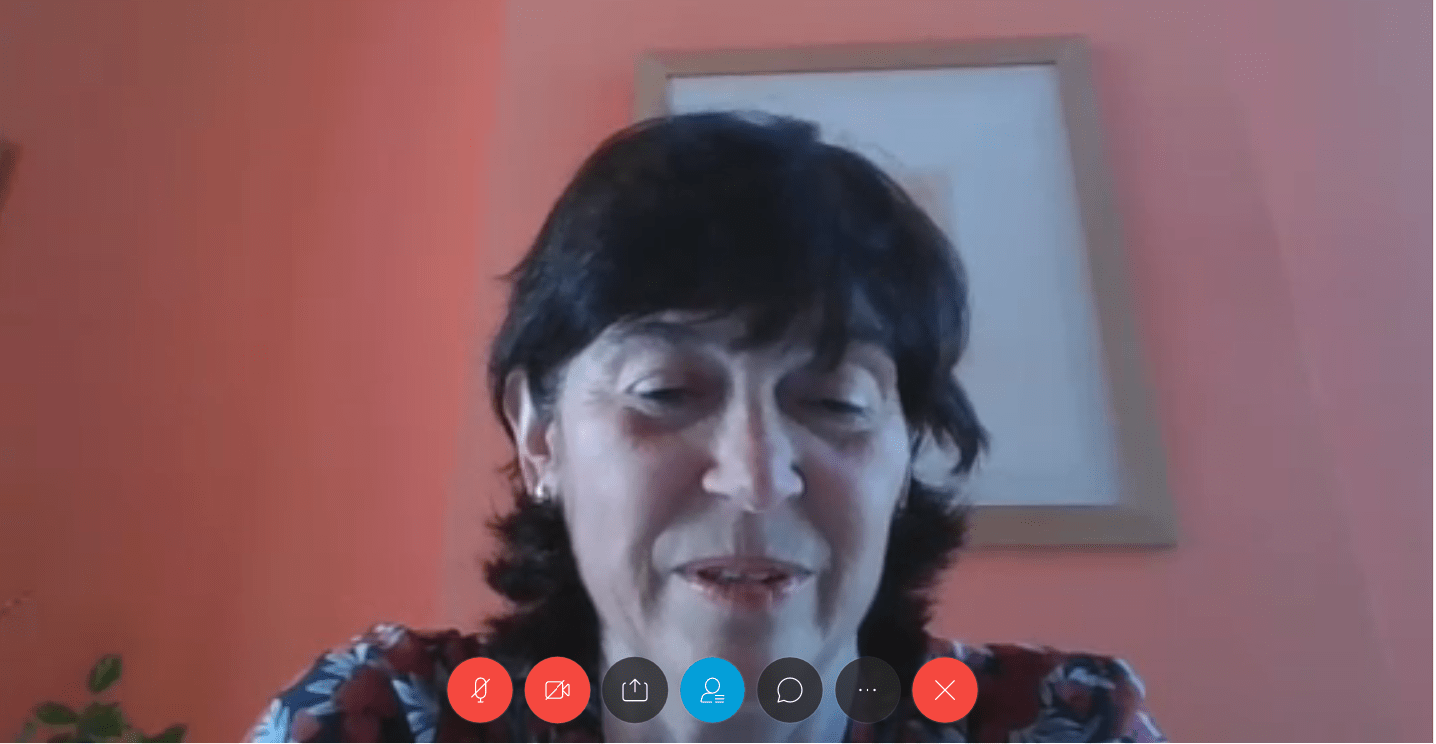
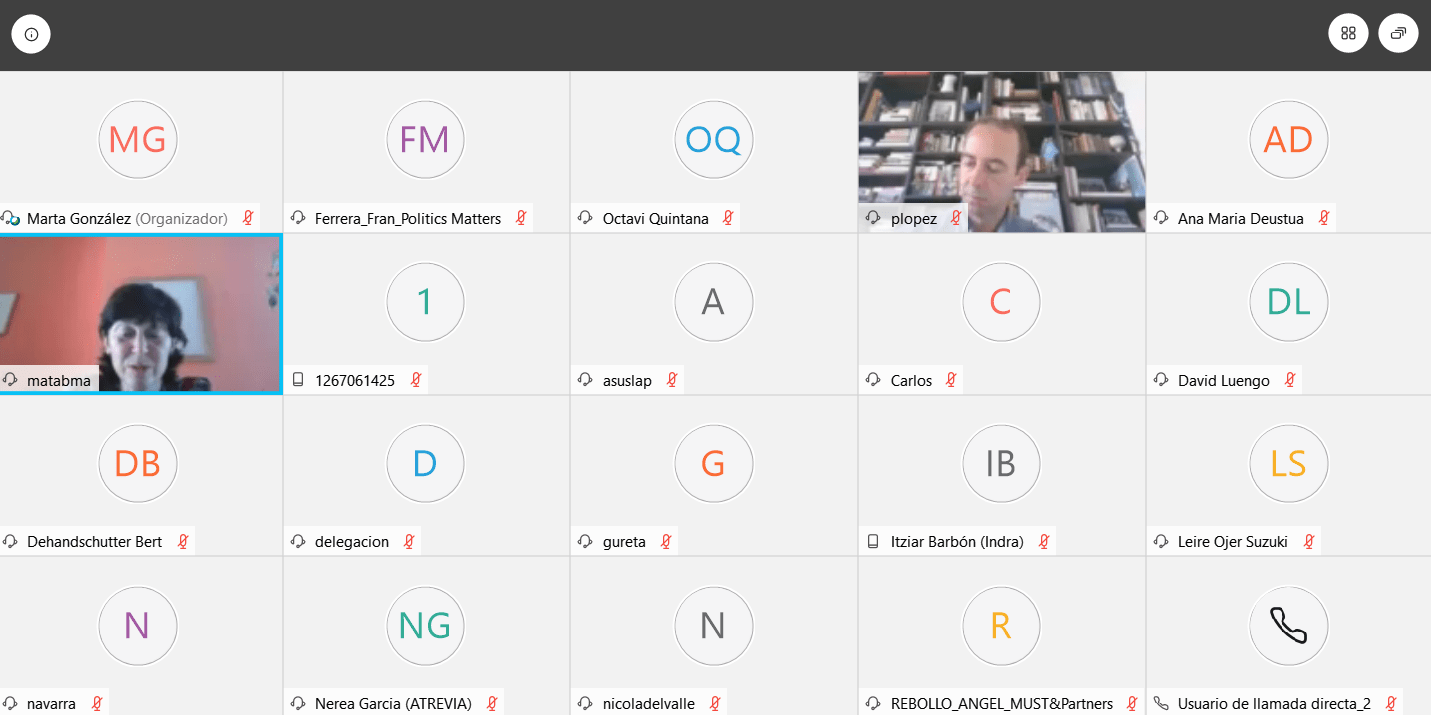
On May 27th, the Official Spanish Chamber of Commerce in Belgium and Luxembourg hosted a new session of its Breakfast Debates, a platform for meetings between Spanish companies and European Institutions. The event was addressed by Isabel de la Mata, Principal Advisor for Health and Crisis Management of the European Commission and covered “The role of the Commission and DG SANTE in relation to the COVID: present and future”. Given the exceptional circumstances of the spread of COVID-19 in Belgium, this breakfast debate was held online and was attended by representatives of member companies of the Chamber, managers of companies, multinationals and Spanish Regional Delegations.


Pablo López Álvarez, Vice-President of the Chamber and moderator of the event, welcomed the speaker and thanked all the attendees for their participation. He began with a presentation of the principal advisor and gave a quick introduction to the current situation we are facing, which is undoubtedly affecting the priorities and activity of the Commission.


blank


Isabel de la Mata began by explaining the integrated response provided by the European Commission to the covid-19 crisis, from monitoring the evolution of the pandemic with the help of the European Centre for Disease Prevention and Control (ECDC), to the management and measures adopted to cover the most immediate needs in the supply of medicines and medical equipment.


During her presentation, the speaker highlighted the joint action of Member States in tackling the health crisis and in making joint purchases of the products that are in most shortage in the Union, namely health protection equipment. She then underlined the outstanding work of the European team of experts that advises the European Commission and that has been elaborating reports and recommendations of great importance in subjects such as the prevention tests, community measures, de-escalation phases, etc. during the development of this crisis. It also highlighted the good crisis coordination by the European Institutions, through the general crisis coordination system, in close collaboration with the Health Security Committee, the Council’s IPCR and the competent authorities of the Member States. Furthermore, she also reported on the different financial instruments on which the European Institutions, and in particular the Commission, have relied and noted the great flexibilization on the use of all the financial instruments to achieve an effective and immediate health response appropriate to the needs arising from this crisis.

During the Q&A session, participants were able to raise many questions of interest to them. Thus, various topics were discussed such as the impact of this crisis on the European pharmaceutical strategy within the new Community health program or the lines of action, external and internal, in which the EU is working on an effective vaccine in the close future.

The Spanish Chamber of Commerce in Belgium and Luxembourg would like to thank Isabel de la Mata and all the participants in this session for their participation.

blank

Interview with H.E Mr. Bernardo de Sicart Escoda, Ambassador of Spain to the Grand Duchy of Luxembourg

The commercial activity must recover globally and Luxembourg can deal with both the economic recovery and an increase in commercial activity. We have to be ambitious.

A recovery plan and a “new beginning” for the country

Finance Minister Pierre Gramegna (DP), accompanied by Deputy Prime Ministers François Bausch (Déi Gréng) and Dan Kersch (LSAP), detailed the new aid measures decided by the government on Wednesday May 20th. Again a very ambitious program.

A new stage has been passed and that requires a change of scenery. The one in the press conference room of the European Convention Center in Luxembourg, featuring a map of Luxembourg and, above all, a slogan: “Neistart Lëtzebuerg” (a new beginning for Luxembourg). With three even more marked priorities: quality of life, solidarity and stability.


Lack of growth requires action

Thanks to the good figures of the health authorities, a new beginning starts after a hard phase of confinement, which severely put the homes and businesses of the country to the test. On Wednesday May 20th the Government Council decided new subsidy, which Prime Minister Xavier Bettel had already announced to a large extent. And that complements the other measures taken in recent weeks. Finance Minister Pierre Gramegna (DP), accompanied by Deputy Prime Ministers Dan Kersch (LSAP) and François Bausch (Déi Gréng), gave the details.

Firstly, he recalled through a macroeconomic analysis that, in the context of the recovery, “Luxembourg is better placed than the others. Especially since their public finances are healthy. We have more room for maneuver.”. The financial center, which “represents 30% of the country’s wealth”, remained active.

This also offers a significant attack force: this new subsidy, estimated at between 700 and 800 million euros, combined with the previous ones, represents 5.5% of the national GDP, or 3,000 million euros. Belgium and France only made an effort at 2% and Germany at 4.6%. “We will not have growth for two years, so we must act“, insists Pierre Gramegna. This is strengthening the liquidity of households and the economy.

A call was also made for everyone to play the game: individuals  to pay their bills, business, VAT or other taxes, for example, “to create a virtuous circle“.


Recovery fund and flat-rate aid

While the Minister of Tourism Lex Delles (DP) will detail the subsidy dedicated to this sector on Friday, the Minister of Finance returned for the first time to the recovery and solidarity fund for companies. It will be aimed at the most affected companies (in the restaurant, tourism, fitness, events, etc. sector) that have not yet been authorized to reopen on May 20th. They will have to demonstrate a loss of turnover of at least 25% in June 2020 compared to June 2019. The aid will be 1,250 euros per employed employee, 250 euros per temporarily unemployed employee, with maximum limits: Maximum 10,000 euros per month for companies with less than 10 employees, € 50,000 per month for companies with less than 50 employees and € 100,000 per month for companies with more than 50 employees. This assistance will be available from July 1st for a period of six months.

Other lump-sum aid will be awarded to retail and personal care companies: € 1,000 per employee in June, € 750 in July and € 500 in August, up to a limit of € 50,000 per month. This measure is limited to SMEs.

As previously announced, a tax exemption of double the reduction granted to a tenant in commercial leases, up to a maximum of 15,000 euros, will be possible. Rent increases on private leases will be frozen until the end of the year.

On Friday, the Minister of Economy Franz Fayot (LSAP) will give details “on other measures“, said Pierre Gramegna: special help to increase the energy efficiency of companies, expansion of the reimbursable advances provided for in the stabilization pact of May 15th to September 15th and aid for investments in the field of digitization. Certain grants can go up to 800,000 euros. Also supporting lawyers and apprentices with a 10% revaluation of legal aid fees, doubling the cost of living subsidy, the sustainability of the family support license, etc.

The good use of partial unemployment has helped maintain social cohesion“. said Dan Kersch, Deputy Prime Minister and Minister of Labor.

For the Minister of Labor, Dan Kersch, the correct use of partial unemployment has avoided a disaster. “In the United States, like us, they had 5% unemployment. Now we believe they will reach 25%”, he said.

The measure has cost 725 million, 32,000 requests have been made, and 325,000 wages have been paid through it. “Partial or temporary unemployment has been the instrument to maintain social cohesion“, says Dan Kersch. 


Partial unemployment maintained until the end of 2020

The partial unemployment measures will continue until the end of the year and the advance system will continue. Short-term conjunctural unemployment due to Covid-19 will evolve towards structural partial unemployment, which will be simplified, because “nobody can pretend that companies do not face changes“.

The plan proposes guaranteeing access to simplified structural partial unemployment to companies affected by the pandemic crisis and that have benefited from partial unemployment due to “force majeure due to Covid-19“, starting in July. Therefore, it follows that companies must present a recovery plan, or even a job retention plan, authorizing layoffs in the structural system of partial unemployment, but that should be avoided as much as possible. Keep in mind that companies will benefit from a simplified, even ultra simplified, digital procedure. This will allow them to reorganize to gradually adapt to the post-Covid-19 situation.

Finally, the economic recovery will also require an ambitious state. “We are not going to reduce public spending, it would be a very bad idea. On the contrary, they will increase 6.3% in 2021. No other country is doing this in Europe”, says François Bausch.


Measures aimed at sustainability

Convinced that, more than ever, it is necessary to go in the direction of sustainability, Minister Déi Gréng detailed a list of ecological measures:

  • The Prime House for energy modernization of buildings increased by 50% for contracts signed from March 20th to March 21st, 2021, work can be done until the end of 2022.
  • An “25% increase in the subsidy” if you replace your heating with a renewable energy based system.
  • A 25% bonus for replacing the boiler.
  • Aid for photovoltaic installations above 30kW will now be accessible to everyone.
  • A subsidy program for private electric charging stations is being developed, complementary to the Chargy Network, aimed at users who want to charge their vehicle at home.
  • A network of fast charging stations will be developed.

These are measures that will be beneficial for the construction sector” at the same time as for the planet.

These ambitious measures are “essential” for the government. Of course, it can be reviewed in the event of a resumption of the epidemic. A working group is studying this situation that nobody wants. Because, as François Bausch pointed out when looking at Pierre Gramegna, “we cannot allow a confinement every three months“.


Source: Paperjam.lu

Luxembourg rolls out another €800m as part of virus recovery plan

New measures include aid for businesses and hotel vouchers to boost tourism industry.

Luxembourg will roll out between €700 and €800 million in fresh aid to help companies as part of the country’s economic recovery plan after businesses have suffered from a nation-wide lockdown put in place two months ago to contain the spread of the coronavirus.

The newly announced package includes aid to make up for financial losses, vouchers to spend at hotels to boost the tourism industry, and a stop on rent increases.

Today, we can’t say we have won the fight against the virus“, prime minister Xavier Bettel said during a press conference on Wednesday. “But we have reduced the effects of the virus. We have opted for the right strategy, I’m certain we took the right decision“.

Bettel put the country into lockdown on 16 March, closing shops apart from those selling food, and all restaurants and hotels. While most shops have now opened their doors again, restaurants, bars and hotels are mstill waiting for a further easing of the lockdown.

A new multi-million-euro plan – which comes on top of a rescue package that had already expected to reach a budget of €10.5 billion – aims to maintain jobs and keep companies in business despite the lack of revenue and a reduced need for staff over the past months.

Companies which have been heavily hit will receive €1,250 per month. People receiving cost-of-living allowance will get twice the amount for the rest of the year, while residents and cross-border workers will receive a voucher to spend a night at a hotel in Luxembourg to boost tourism. Landlords will not be able to increase rents until the end of this year.

The health crisis has meant fewer people already unemployed were able to find jobs last month. Unemployment agency ADEM said the high number of unemployed people in April was mainly due to fewer people finding jobs rather than more people signing up for unemployment benefits.

A total of 1,796 new people registered – 18% fewer than in April last year. But only 884 people ended their benefits after finding a new job last month, compared with 2,512 in April 2019. There were 1,895 vacancies last month, 43% less than in the same month of last year.

More measures to lift the lockdown could come out next week, Bettel said. He had previously said restaurants could reopen on 1 June if the spread of the disease remained in check, but he repeated the date is still uncertain.

Foreign affairs minister Jean Asselborn has been in talks with France and Belgium to see when the borders will fully reopen“, Bettel said. No date has been agreed but Luxembourg had hopes Belgium would open before France, which will remain fully closed until 15 June.

Looking back, this crisis has shown us to what point it’s difficult to take measures without knowing if they are right or not. We had to act quickly. Figures show us we have avoided a big catastrophe“, Health Minister Paulette Lenert, who was with Bettel, said at the press conference.

We had one aim: pull the hand break. Now our aim is to reintroduce normalcy by gradually reducing these measures“.


Source: Luxtimes.lu

Breakfast-Debate with the MEPs Pablo Arias and Adriana Maldonado

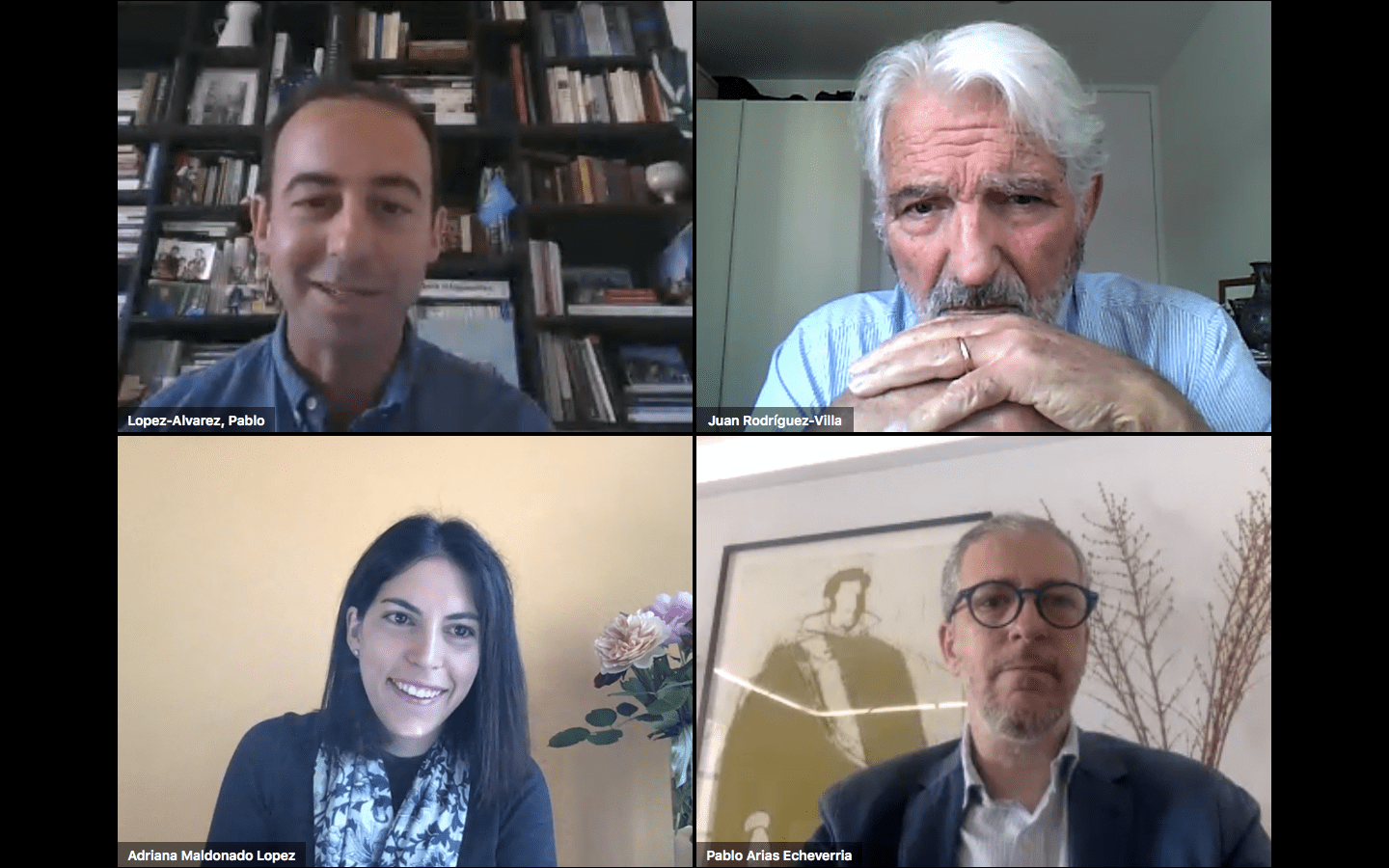
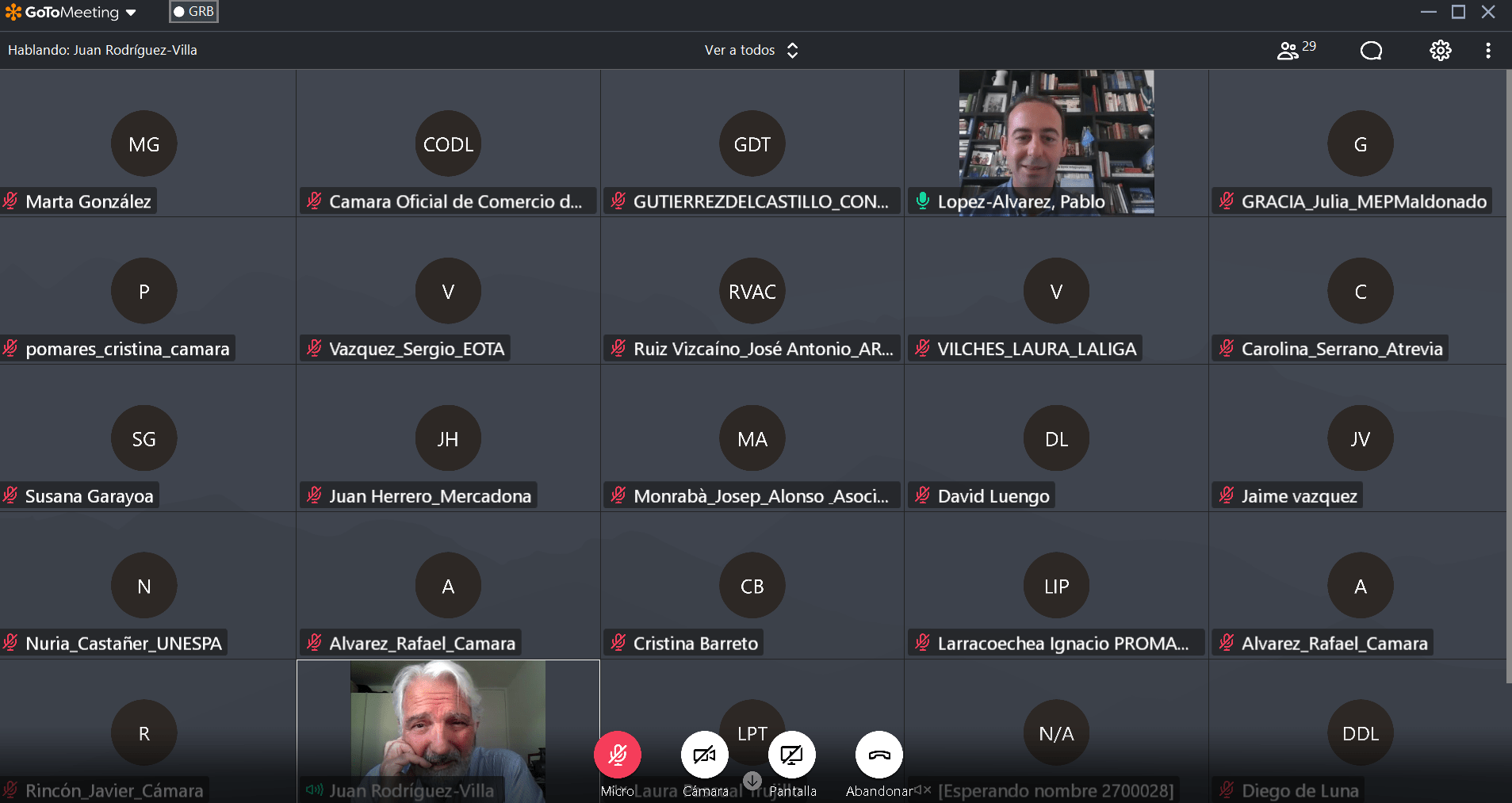
On May 20th, the Spanish Chamber of Commerce in Belgium and Luxembourg hosted an event as part of the “Breakfasts with the European Parliament” cycle, a platform for meetings between Spanish companies and the European Parliament, on the priorities of blankthe Committee on the Internal Market and Consumer Protection (IMCO) for the new legislature. Members of the European Parliament (MEPs) Pablo Arias Echeverría, member of the Group of the European People’s Party (EPP), and Adriana Maldonado López, member of the Group of the Progressive Alliance of Socialists and Democrats (S&D) attended to the session. Given the exceptional circumstances due to the spread of COVID-19 in Belgium, this Breakfast-debate was held telematically and featured among the attendants representatives from member companies of the Chamber, managers of multinational companies as well as European and Spanish associations.

The president of the Chamber, Juan Rodríguez-Villa, welcomed the event and thanked the participation of the speakers and all of the attendants. Also, Pablo López Álvarez, Vice President of the Chamber and moderator blankof the event, introduced the speakers and briefly referred to the current historical circumstances we are experiencing, and explained that this situation has undoubtedly compromised the short-term priorities and activity of the Eurogroup.

The MEP Pablo Arias explained that the situation in which we find ourselves has forced us to take measures that were not foreseen at the beginning of this legislature. During his speech, the MEP highlighted that the key of the recovery and reactivation of the economy will be to value the single market, because consumption will have to be reactivated due to the fall in employment. In this way, the Parliament and the European Commission are already working to see what mechanisms will be used. Then, he focused on the importance that electronic commerce has at the moment, highlighting that their main objective is to offer secure e-commerce and bet on digital leadership without losing competitiveness, being this digital sphere the one that has helped to maintain the EU economy during the pandemic and will be key to its recovery. On the other hand, Arias reviewed the different sectors that have been affected by this crisis, such as tourism. He also highlighted the exceptional reaction by carriers and the food sector. To finish, the MEP declared that the competitiveness of the European Union must be protected and that today the vaccine against COVID-19 is a priority for Europe.

Next, MEP Adriana Maldonado, who noted the quick reaction of the European Union and its coordination in managing this crisis while analyzing it, because there was no similar precedent. From her side, the MEP highlighted the good value chain of the blankEU’s primary sector as it has been shown that, despite consumer’s uncertainty, they have offered full supply. At the same time, she analyzed the weaknesses of the European Union, such as the lack of stock of pharmaceuticals or basic products, which will serve to establish a minimum stock for the future. On the other hand, Maldonado reported on the great impact that state aids have on the internal market and that it will be necessary to seek equality within this market so all countries can benefit from it. In conclusion, she explained that a recovery plan is needed to improve the weaknesses of the EU, emphasizing in the digitization of both companies and public administrations to show security to all consumers and be more competitive. The MEP also highlighted that the legislative work of the European Parliament, as the representative of the Europeans, has not stopped at any time and that adaptation to the telematic context has been fast.

During the time for questions, the participants were able to inquire the speakers on many issues of their interest. Thereby, they blankcovered topics such as the importance of social action policies within the European Union or how this commission will bet on innovation and digitization due to this situation for the new legislature.

The Spanish Official Chamber of Commerce in Belgium and Luxembourg would like to thank the MEPs, Spanish companies and representatives of the European Parliament who participated in this Breakfast.

Board of Directors Meeting

On May 19th, the Board of Directors of the Chamber met telematically.

During the meeting, a review of the current situation of the Chamber derived from Covid-19 was made, the Competition Commission and the Spanish Financial Forum, two new working Committees recently created by the Chamber, were discussed and the upcoming events as well as the scheduled activities.

Likewise, the Board of Directors approved the annual accounts for the 2019 financial year for presentation at the Ordinary General Assembly that will take place by the end of June.

Meeting of the Forums Committee

On May 14, the second meeting of the year of the Forums Committee, a working group whose mission is to propose, organize and monitor the events organized by the Chamber, was organized telematically.

During the meeting, which was chaired by Pablo López Álvarez (FTI Consulting), a balance of the latest events organized by the “business circle” platform was made as well as new initiatives were proposed to be developed in the coming months, both locally and with the institutions of the European Union. Likewise, the possible speakers and the agenda for the second edition of the training to be organized by the Chamber soon on “Public advisory strategies and dialogue with the European institutions” were discussed. Finally, detailed information was released on the two new commissions created by the Chamber: the Financial Commission and the Spanish Financial Forum.


About the Commissions of the Chamber

The Commissions are made up of some of the members, as well as the person in charge of the area in question in the Chamber.

These working groups have numerous functions: in-depth studies of proposals, problems, projects, and activities. Through them, the members influence the day-to-day life of the Chamber in order to better adapt the Chamber’s activities to the needs of the members.

At any time, a member can request the president of a Commission to join it or request the secretary general to create a new group.