• Link to LinkedIn
  • Link to X
  • Chamber
    • About us
    • Board of Directors
    • Committees
  • Calendar
  • News and events
  • Contact
  • CAMACOES Network
    • FEDECOM
    • FECECA
  • Intranet
  • Español
  • Shopping Cart Shopping Cart
    0Shopping Cart
Cámara Oficial de Comercio de España en Bélgica y Luxemburgo
  • Home
  • Members
    • Fees and Membership
    • Advantages for members
    • List of members
    • Members’ interviews
  • Trade services
    • Trade Mission
    • Accompaniment and commercial fairs
    • Listings of Companies
    • Establishment of companies in BeLux
    • Legal Assistance and translations
    • Promotion
  • Activities
    • Platform “Business Circle”
    • Afterworks with members
    • Tailored events
    • “Company of the Year” Award
    • Day of Spain
    • Tastings
  • Trainings
    • Advocacy strategies in the EU
    • Introduction to the Luxembourg Financial Market
    • Specialised training courses
  • Programs
    • EmpleoBeLux
    • EmprendeBeLux
    • Erasmus for Young Entrepreneurs
    • Young Talent Mobility Programme
    • SOFTIMPROVE
    • Spain Means Innovation
    • TEX4.0
    • W4TEX
    • Completed programs and projects
  • Business centre
    • Domiciliation
    • Spaces for rent
    • Co-working space
  • Click to open the search input field Click to open the search input field Search
  • Menu Menu

Infoday about the PICE Mobility Plan

30/06/2020

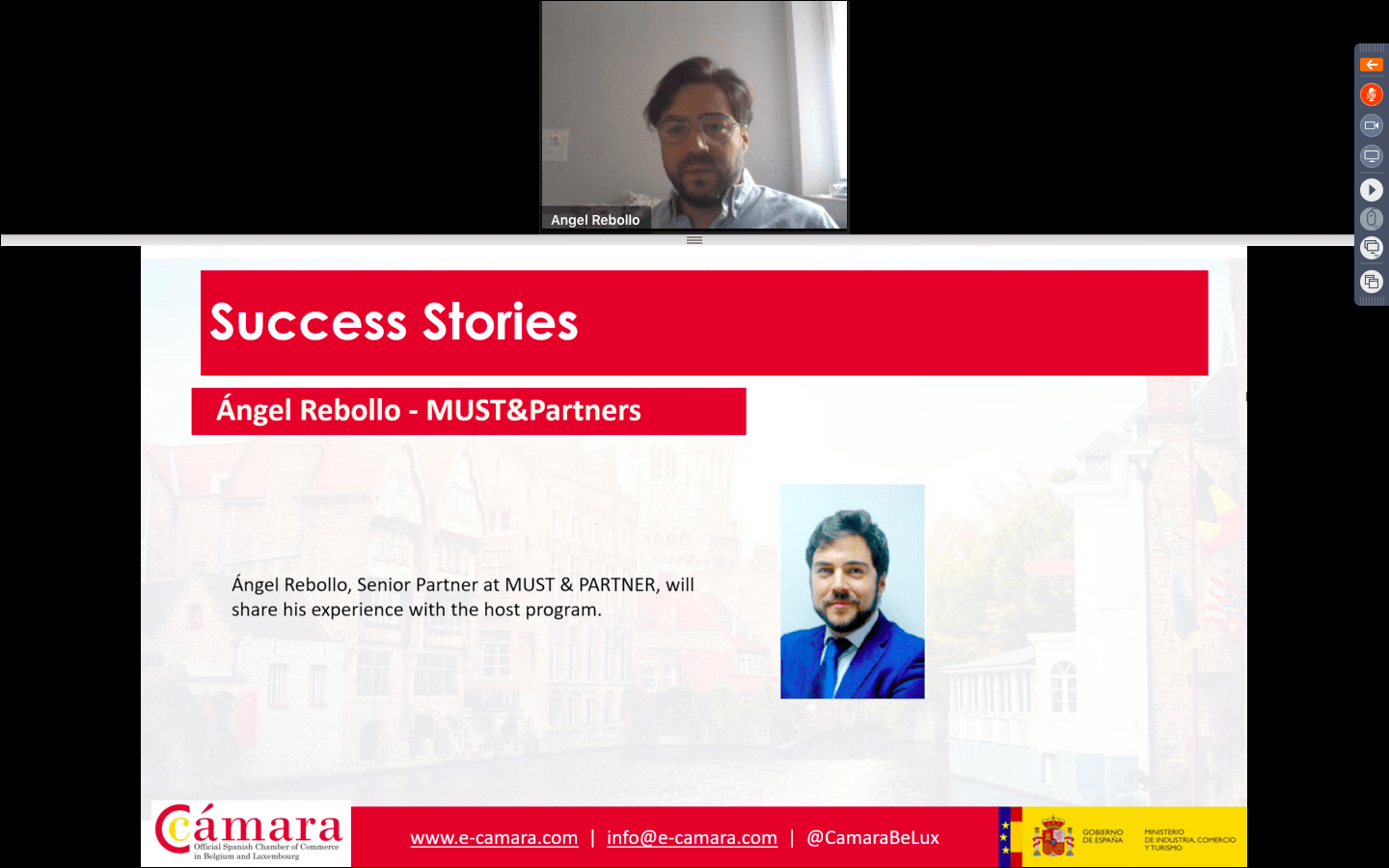
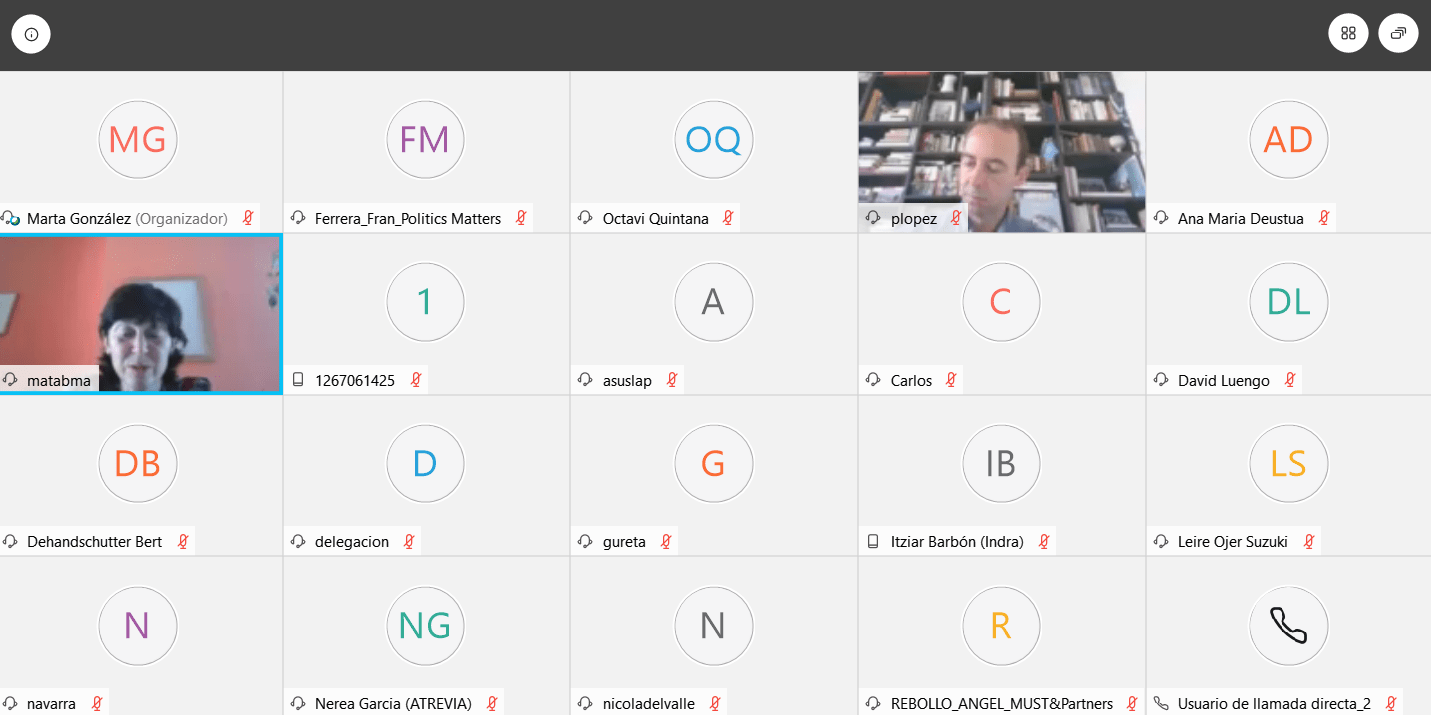
Last June 30th, the Official Spanish Chamber of Commerce in Belgium and Luxembourg as the new local contact point for the PICE Mobility Plan in BeLux, organized an online Info Day about the program.

The Mobility Plan is a program created by the Spanish Chamber of Commerce’s Network and co-financed by the European Social Found which is part of the Spanish National System of Youth Guarantee and offers both personal and professional development opportunities through internships or employment contracts in companies from the European Union. 

During this Infoday online we had the participation of Ángel Rebollo, from our company member Must&Partners who told his experience as a successful story in this mobility plan to all the participants.

Thanks to this program we can help Belgian companies to find young and motivated talented professionals with the education and experience adapted to business’ needs. 

If you are interested to incorporate new trainees in the upcoming months you would like to have more information about it please send an email to info@e-camara.com

blank

https://e-camara.com/web/wp-content/uploads/2020/06/noticiaPice.jpg 340 888 Cámara BeLux https://e-camara.com/web/wp-content/uploads/2025/10/Logo-Camara-de-BELUX-es-web.png Cámara BeLux2020-06-30 17:57:492020-07-01 13:01:54Infoday about the PICE Mobility Plan

Launch of phase 4 de-escalation, starting July 1st in Belgium

29/06/2020

Press release by Sophie Wilmès, Prime Minister

The National Security Council extended with the Ministers-presidents of the regions, agreed for a transition to phase 4 of the de-escalating since July 1st, based on the agreement of the GEES experts that is based on the good evolution of the epidemiological situation.

The six golden rules are still in force:

  • Respect for hygiene rules.
  • Prioritize outdoor activities.
  • Take extra precautions for those at risk.
  • Respect for safety distances.
  • The “extended bubble” rule that increases from 10 to 15 different people per week in addition to the co-living. As a reminder, this right is individual.
  • Group activities cannot exceed 15 people, children included. This applies to all unsupervised meetings, regardless if they take place at home or outdoors.

It will now be possible to open under certain conditions:

  • Pools and wellness centers.
  • Amusement parks and indoor playgrounds.
  • Theatres and cinemas.
  • Casinos and game rooms.
  • Conference rooms.
  • Reception and party rooms with a maximum of 50 people.

Among the conditions is the application of protocols. In addition, the general rules that are already in force for other activities will be applied, such as the mandatory respect of safety distances, the establishment of time slots and crowd management, the cleaning of infrastructure and the use of mouth masks, which continues to be highly recommended.

Activities that cannot be restarted at this stage:

  • Nightlife activities such as disco clubs.
  • Massive events.

However, it will be possible to organize activities from July 1st in front of an audience, under certain conditions established in the protocols.

For regular events organized in permanent structures such as theaters, cinemas, galleries, congress halls, protocols will be drawn up with competent ministers and experts from GEES.

For specific events in the public space, an online tool will be available on July 1st and will serve as a reference for local authorities in granting authorizations for these events. Specific rules should also apply.

For all these events, there is a capacity limit set at:

  • 200 people inside.
  • 400 people outdoors.

This capacity limit will be re-evaluated in August to 400 people indoors and 800 outdoors maximum if the health situation allows it. An exception can be requested for permanent infrastructure with a public sitting to exceed this limit, respecting health regulations.

The maximum number of outdoor participants will also apply to demonstrations. These should always be subject to a request for authorization from local authorities. In any case, they must always be static and take place in a place where safety distances can be respected.

At the same time, in addition to the resumption of these activities, certain protocols will be relaxed as of July 1st:

  • Possibility of going to the stores with people from your contact bubble and without time limitation. The safety distance will continue to apply.
  • Elimination of the limit on the number of positions for the markets. Health protocols and regulations must continue to apply.

With respect to the next National Day, it was decided that the traditional military and civil parade would take another form exceptionally to meet health standards. In fact, different artistic performances in symbolic places will highlight our country and its artists and will be broadcast on television. Detailed communication will be made later on this topic.

On the longer-term perspective, the start of the school year is already in full swing. The ministers of education, in collaboration with the GEES experts, have established a colour code system that indicates how the school should be organized according to the health situation. Education ministers will explain the plan in more detail at a press conference.


Source: Info-coronavirus.be

https://e-camara.com/web/wp-content/uploads/2020/03/bandera-belgica-web.png 335 874 Cámara BeLux https://e-camara.com/web/wp-content/uploads/2025/10/Logo-Camara-de-BELUX-es-web.png Cámara BeLux2020-06-29 09:55:502020-06-25 14:13:52Launch of phase 4 de-escalation, starting July 1st in Belgium

Virtual round table on “The tourism sector in post-Covid-19 Europe: Challenges and opportunities”

17/06/2020

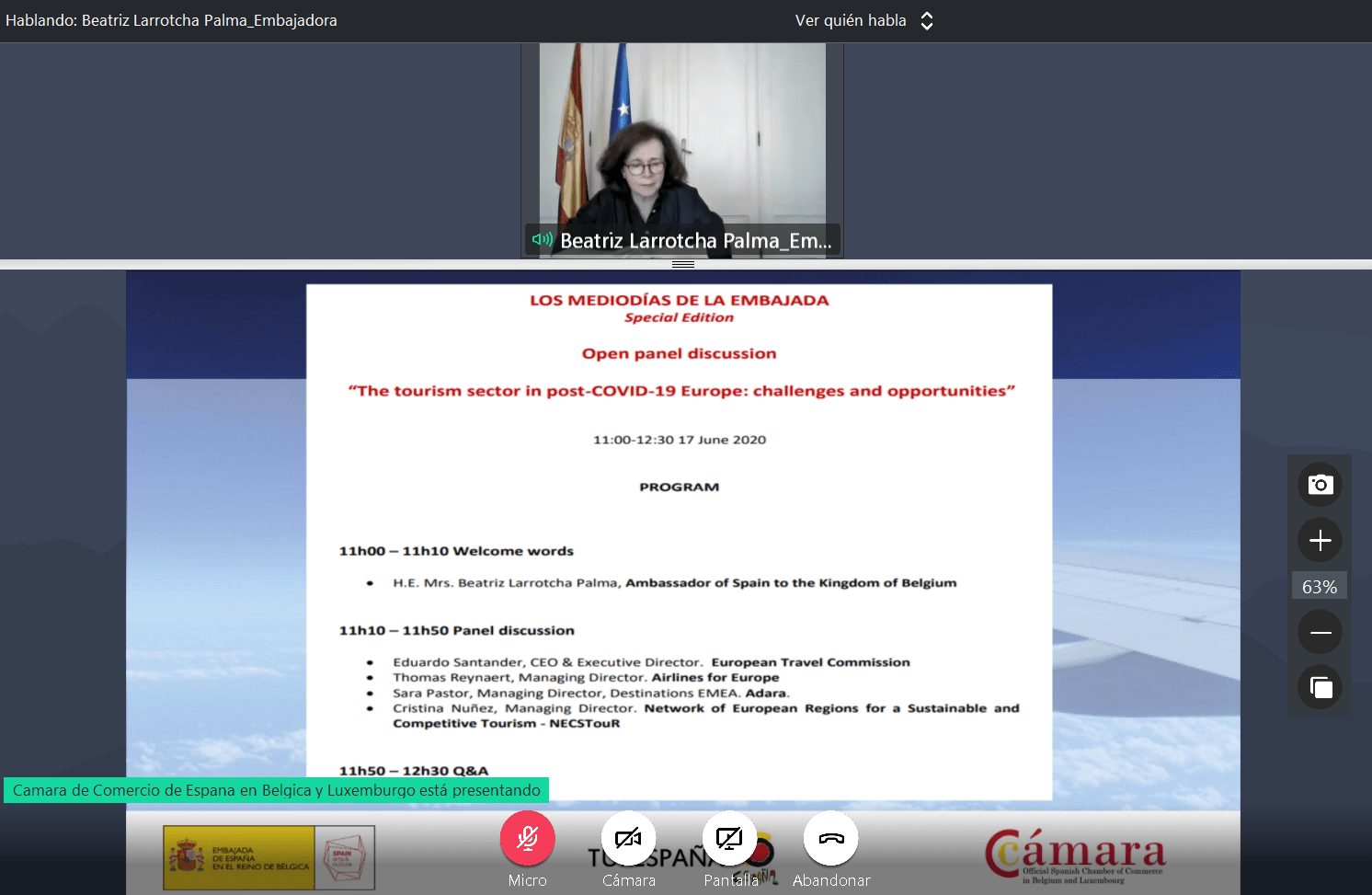
On Wednesday, June 17th, from 11:00 to 12:30, the Embassy of Spain in the Kingdom of Belgium and the Spanish Tourist Office in Belgium, in collaboration with the Official Spanish Chamber of Commerce in Belgium and Luxembourg, organized a virtual round table on “The tourism sector in post-Covid-19 Europe: Challenges and opportunities”, a special edition that is part of the Mediodías de la Embajada events.blank

The debate was chaired by Rafael Chamorro, Director of Spanish Tourism Office in Belgium, and featured H. E. Ms. Beatriz Larrotcha Palma, Ambassador of Spain to the Kingdom of Belgium. For the roundtable the speakers were Eduardo Santander, CEO & Executive Director of European Travel Commission, Thomas Reynaert, Managing Director of Airlines for Europe, Sara Pastor, Managing Director, Destinations EMEA of Adara and Cristina Nuñez, Managing Director of Network of European Regions for a Sustainable and Competitive Tourism – NECSTouR.

The welcome words were given by H. E. Ms. Beatriz Larrotcha Palma, Ambassador of Spain to the Kingdom of Belgium, stating the importance of tourism for Spain and Europe and the great effort put in place by Spanish authorities to restore trust in Spain as a safe destination. The Ambassador also thanked all the organizers for the webinar as well as to all the attendants for their interest.

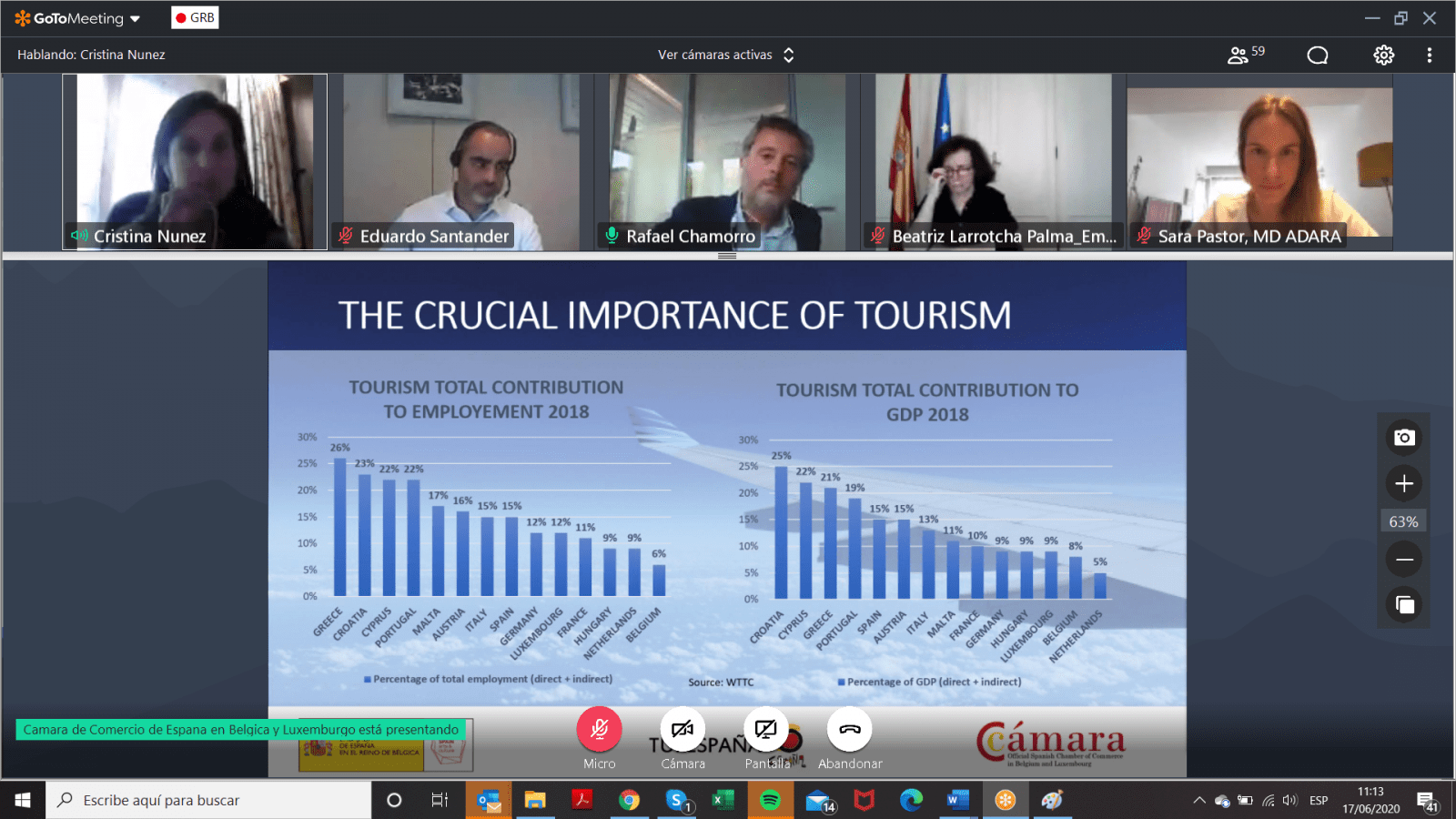
Following the welcome words, Rafael Chamorro, Director of Spanish Tourism Office in Belgium, Presented all the speakers and opened the roundtable by giving some key numbers about the critical importance of tourism sector not only for Spain but also for Europe as around 10% of EU’s GDP depends directly from this sector. Despite some disparities between EU countries, the economic importance of tourism in terms of employment and growth make compulsory for Europeans to be able to travel again with open borders.

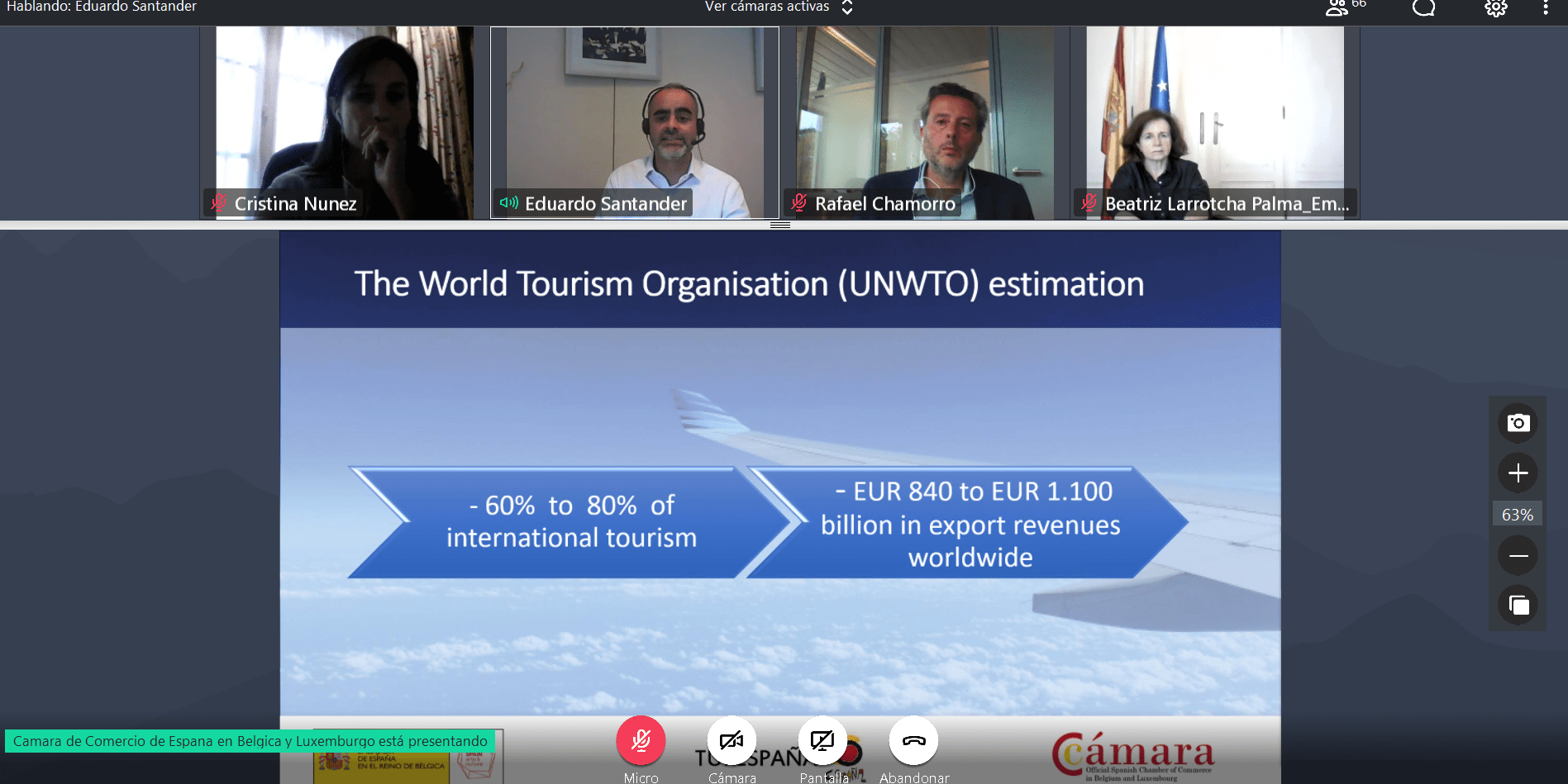
blankDuring the debate, Eduardo Santander, CEO & Executive Director of European Travel Commission, insisted in the fact that this crisis might be the perfect opportunity to rethink tourism once the health crisis is over. As some symptoms of the lack of sustainability arise earlier than the COVID-19 crisis, it is the perfect time to think in a future of tourism with a green mark that gives opportunities to regions that traditionally were not receiving much tourism (España vaciada) rather than coming back to unsustainable massified destinations.

Thomas Reynaert, Managing Director of Airlines for Europe, gave his impressions on how severely this crisis has affected the airlines and how they are taking measures to recover from it. Airlines will also be key for the development of the green deal strategy in the near future in addition to some harmonization policies needed in the sector at the EU level. The speaker also highlighted the importance of individual responsibility in flights as long as the health crisis lasts even if the safety is completely ensured thanks to air technologies on planes.

Sara Pastor, Managing Director, Destinations EMEA of Adara, shared with the audience a general picture on how the crisis has been faced by the sector and how the data shows we are starting to rise the curve of reservations as Europeans have not lost their will to travel. This current scenario means that the right strategy to attract the tourists can make the difference for all actors in the sector (regions, hotels, airlines, etc.). A common strategy Europe-wide is needed to prevent comparative advantages (and disadvantages).blank

Cristina Nuñez, Managing Director of Network of European Regions for a Sustainable and Competitive Tourism – NECSTouR, highlighted the importance of regions in this sector recovery as it is crucial for them to keep attracting public attention by focusing on their strong points. She also agreed that this crisis can be a huge boost for rural areas or regions that traditionally were not among top destinations, therefore it is important to generate trust in the tourist that are looking for this non-massified destinations.

During the Q&A session, participants were able to raise questions of their interest. Some topics covered during this session were the need to restore trust in tourism or the opportunities given to rural areas.


Organized by:
In collaboration with:
blank      blank
blank
https://e-camara.com/web/wp-content/uploads/2020/06/noticiaEmbajada.jpg 340 888 Cámara BeLux https://e-camara.com/web/wp-content/uploads/2025/10/Logo-Camara-de-BELUX-es-web.png Cámara BeLux2020-06-17 17:52:022020-06-17 18:15:08Virtual round table on “The tourism sector in post-Covid-19 Europe: Challenges and opportunities”

Agreement reached in limited cabinet: here are the new measures in the federal aid plan

15/06/2020

On Friday night, an agreement was reached within the “superkern”, the Federal Government and the ten parties that support the special powers destined to fight Covid-19, after several hours of meeting. The text was not validated by the N-VA. The Flemish nationalist party did not sign the joint statement sent shortly before 22:00.

“Today’s agreement reinforces the social and environmental measures taken last week. The nonsense proposals pushed by the N-VA have been completely rejected”, Ecolo co-chair Jean-Marc Nollet said on Twitter.

On June 6th, the ten parties approved a first set of measures. Later it was agreed to identify in a second step what could complement this system. That was the work that was carried out during the meeting this Friday.

The new support measures, protagonists of the agreement can be classified into two categories, indicates the press release signed by the government parties (MR, Open Vld and CD&V), with the support of the Socialists (PS and sp.a), environmentalists (Ecolo-Groen), CD&V, cdH and Défi.


The first category refers to investment support.

  • The superkern has decided to establish a new temporary Covid-19  tax shelter system until the end of the year, open to all SMEs that have been affected by the Covid-19 crisis.
  • An investment deduction increased by 25% is provided for investments made between March 12th and December 31st, 2020.
  • The nine parties have also decided to increase the deductibility of expenses related to the organization of events and catering from 50 to 100% until December 31st.
  • The superkern has also decided to suspend the payment of VAT from December 2020 and increase from 10 to 20% the share of net income that can benefit from the reduction of subsidy taxes.
  • At the same time, the tax reduction for donations made in 2020 to approved institutions will decrease from 45 to 60%.


The second category refers to the organization of work, according to the statement.

  • The nine parties have decided to create adapted Corona unemployment, which consists of a transition between temporary unemployment due to the force majeure Corona and classic economic unemployment. This transitional economic unemployment can be used if the company shows a 10% drop in its turnover. The worker will follow two days of unemployment training per month and will continue to receive 70% of their last maximum salary.
  • It was also decided to offer companies in restructuring or in difficulties the possibility of reducing working hours pending the resumption of normal activity and to avoid layoffs, either through a collective reduction in working time, either through the time credit system, or through the time credit at the end of the degree, whose accessibility will be reduced from 57 to 55 years.
  • In addition, the Corona parental leave will run until September 30th with a subsidy increased to 150% for single parent families and families with a child with a disability.
  • It was also decided to facilitate the reimbursement of the costs incurred by teleworkers, up to a maximum of 127 euros per month.


In addition to these measures, an agreement was also reached to release funds of 100 million euros for the CPAS to be dedicated to people in difficulties in order to extend the benefit of the social measures decided during the previous meeting to a more public comprehensive, especially from the point of view of energy poverty. To cover the operating costs linked to an additional workload, the CPAS will receive an additional aid of 10 million euros.


Source: Rtl.be

https://e-camara.com/web/wp-content/uploads/2020/04/bel-1.jpg 340 888 Cámara BeLux https://e-camara.com/web/wp-content/uploads/2025/10/Logo-Camara-de-BELUX-es-web.png Cámara BeLux2020-06-15 17:27:012020-06-15 18:06:05Agreement reached in limited cabinet: here are the new measures in the federal aid plan

Measures taken by the National Security Council of 3 June 2020

04/06/2020

On Wednesday, June 3rd, the National Security Council, extended to include the Ministers-President, approved the transition to Phase 3 of the phase-out plan starting on June 8th. As the daily reporting from the health authorities shows, the health indicators are encouraging. The experts have therefore given the green light to start this new phase.

This implies a radical change in approach compared to the rules that have been in force so far. After all, from now on, freedom is the rule and what is not allowed is the exception.

Any activities that are still banned are not allowed because they either involve too close contact between people or mass gatherings, or because no protocols – i.e. specific rules for a sector – have been defined yet.

This new approach must be understood at two levels. Firstly, the individual behaviour (How should I behave in light of my renewed freedom?) and secondly, the regulatory framework applicable to organised activities (Which protocols should professionals apply when organising activities?).


  1. As far as individual behaviour is concerned, there are six golden rules:
  • Hygiene measures remain essential.
  • Outdoor activities should be favoured wherever possible. Where necessary, rooms should be adequately ventilated.
  • Additional precautions should be taken for people belonging to a high-risk group. A charter is being developed for older people who do volunteer work to provide them with more clarity about the activities they can engage in safely.
  • The rules regarding safety distance continue to apply, except for people within the same family, for children under the age of 12 and for people with whom there is closer contact, i.e. the extended bubble. Those who cannot respect the safety distance have to wear a mouth mask.
  • It is possible to have closer contact with 10 different people every week, in addition to the family members (= extended personal bubble). This is an individual right. These 10 people can change from one week to the next.
  • Group meetings are limited to a maximum of 10 people, including children. This applies to all gatherings, regardless of whether they take place at home or outdoors (e.g. in the park or at a restaurant).
  • Organised sports and now also cultural activities supervised by a person in charge are limited to 20 people in June and 50 people in July, provided that the safety distance is maintained.


  1. About the regulatory framework:
  • All organised activities are resumed, unless the restart is planned in another phase, with protocols that protect both users and staff. These protocols are determined by the competent Minister, after consulting the GEES, in consultation with the sector and, in the case of North-South issues, with an inter-federal approach.
  • The protocols will be evaluated by July 1st. If there is no protocol for a subsector, a document is placed online with the general rules that must apply as a minimum.
  • Working from home is recommended where possible.
  • The hospitality, sports and culture industries are the main industries where important decisions have been taken.


Hospitality industry

The industry is allowed to reopen partially. Gaming halls (e.g. casinos), banqueting and reception halls will not be allowed to reopen until July 1st. As far as banqueting and reception halls are concerned, they will be allowed to operate with a maximum of 50 people present, subject to the same conditions as catering. Nightclubs are not allowed to open before the end of August, as no safety distance can be ensured.

In addition to these exceptions, all other hospitality establishments such as cafes, bars and restaurants will reopen according to a very precise protocol.

The main features of this protocol include:

  • A distance of 1.50 metres between the tables.
  • A maximum of 10 persons per table.
  • Each customer must remain seated at their own table.
  • Waiters have to wear masks.
  • All hospitality establishments are allowed to remain open until one o’clock in the morning, just like the night shops.


Cultural industry

From June 8th, cultural activities may resume without an audience present.

Performances with an audience – including cinemas – can be resumed from July 1th, but only subject to specific rules regarding crowd management, such as respecting the safety distance in the audience and a maximum of 200 attendees.

Activities should be organised in such a way as to avoid gatherings of too many people, e.g. outside the venue.

When people take part in cultural and leisure activities, wearing a mask is recommended at all times.

Sporting and now also cultural activities that are organized and supervised by a person in charge are limited to 20 people in June and 50 people in July, subject to safety distances.

In these two industries – but not only those two – the very gradual reopening and associated requirements will make it more difficult to operate at a profit. At the federal and regional level, in addition to extending or adapting the generic measures to support the economy, we are currently working on a series of specific measures to help certain industries.


Sports industry

From June 8th, non-contact sports activities can be resumed, both indoor and outdoor, amateur or professional, league and training. Gyms and fitness rooms may also be reopened, subject to protocol.

However:

  • Contact sports (e.g. judo, boxing, football, etc.) should always be limited to “contactless” training.
  • As far as sports facilities are concerned, the protocols will also have to be followed. Changing rooms and showers will still not be accessible.
  • Swimming pools, saunas and wellness centres have to remain closed at this stage.

As far as sports are concerned, everything will be allowed again from July 1st, provided that the protocols are respected.

In both the cultural and sports industries, from July 1st, a seated audience of up to 200 people – regardless of the size of the venue – will be allowed, subject to safety distances and always in strict compliance with protocols.


Religious services

Religious worship or gatherings may be resumed on June 8th, subject to, inter alia, the following rules:

  • Safety distances must be observed with a maximum of 100 persons.
  • As of July, this number will be increased to 200, just like in the cultural and sports industries.
  • Rituals with physical contact are still not allowed.


Travel

From June 8th, it will be possible to travel inside of Belgium with trips lasting one or more days.

From June 15th, Belgium will open its borders for travel to and from the European Union, including the United Kingdom and the four other Schengen countries (Switzerland, Liechtenstein, Iceland and Norway). However, it is up to each country to decide whether to open its borders. To know the situation in the country of destination, it is therefore advisable to consult the website of the FPS Foreign Affairs. The conditions for travel outside of Europe have yet to be defined in light of the evolution of discussions at European level.


Leisure and free time

Leisure and free time activities are permitted from June 8th, except for conferences, amusement parks and indoor playgrounds, which may only be reopened from July 1st.


Get-togethers

Cultural and leisure activities have to be organised in such a way as to avoid large gatherings. Wearing a mask is recommended at all times.

Gatherings (e.g. village fairs, village festivals, etc.) are prohibited until August 1st and may then be resumed gradually. Large-scale mass events, on the other hand, will remain prohibited until August 31st, as previously announced.

At the beginning of summer, an online evaluation tool will be made available for organisers who want to know whether they can organise an event and subject to what conditions.


Phases 4 and 5 of our phase-out strategy will take place in July and August, if the epidemiological situation permits.


Source: Belgium.be

https://e-camara.com/web/wp-content/uploads/2020/04/bel-1.jpg 340 888 Cámara BeLux https://e-camara.com/web/wp-content/uploads/2025/10/Logo-Camara-de-BELUX-es-web.png Cámara BeLux2020-06-04 12:13:022020-06-04 13:16:53Measures taken by the National Security Council of 3 June 2020

Online Breakfast-Debate with Cristina Rueda-Catry, Member of Cabinet of Phil Hogan, EU Commissioner for Trade

03/06/2020

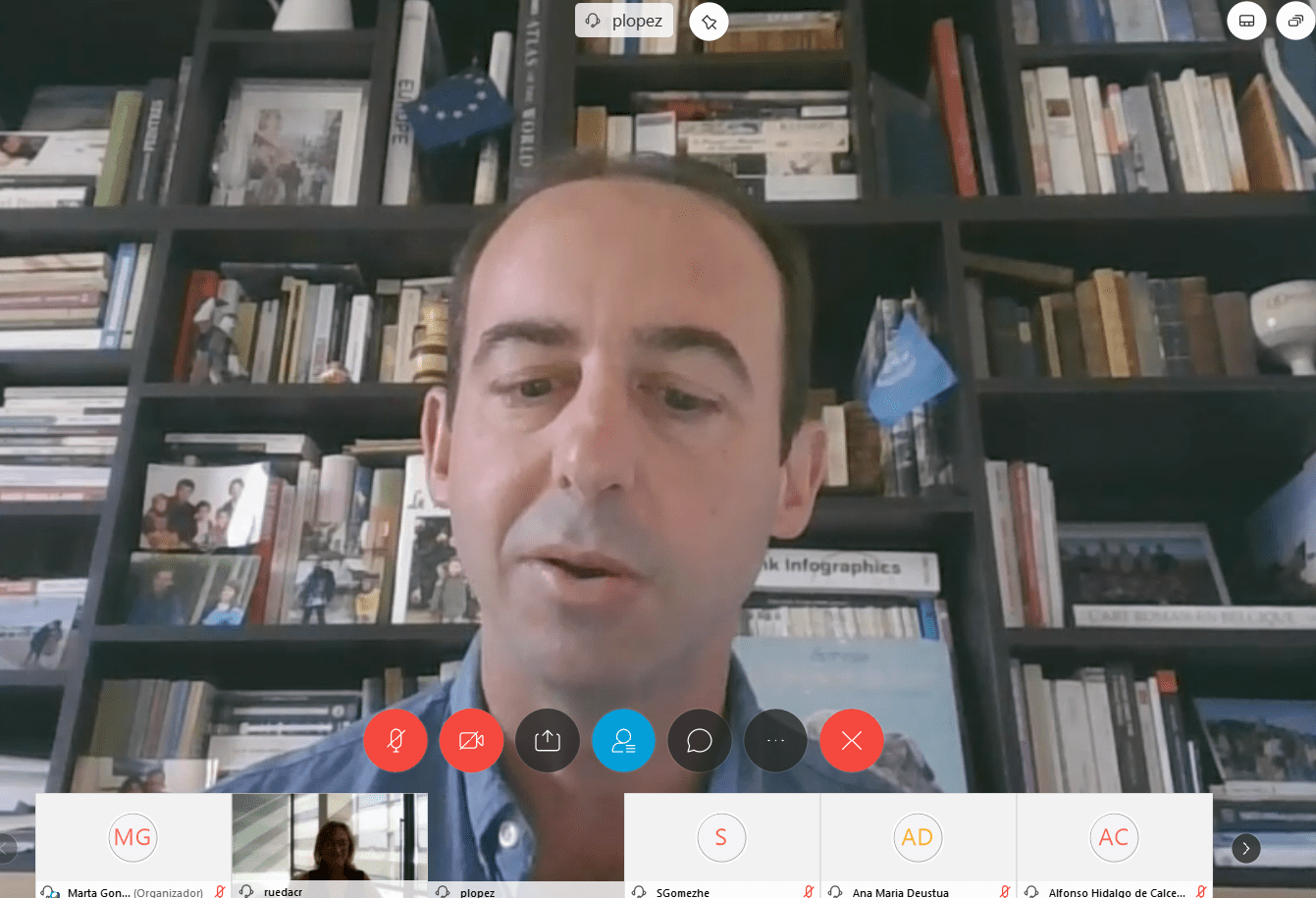
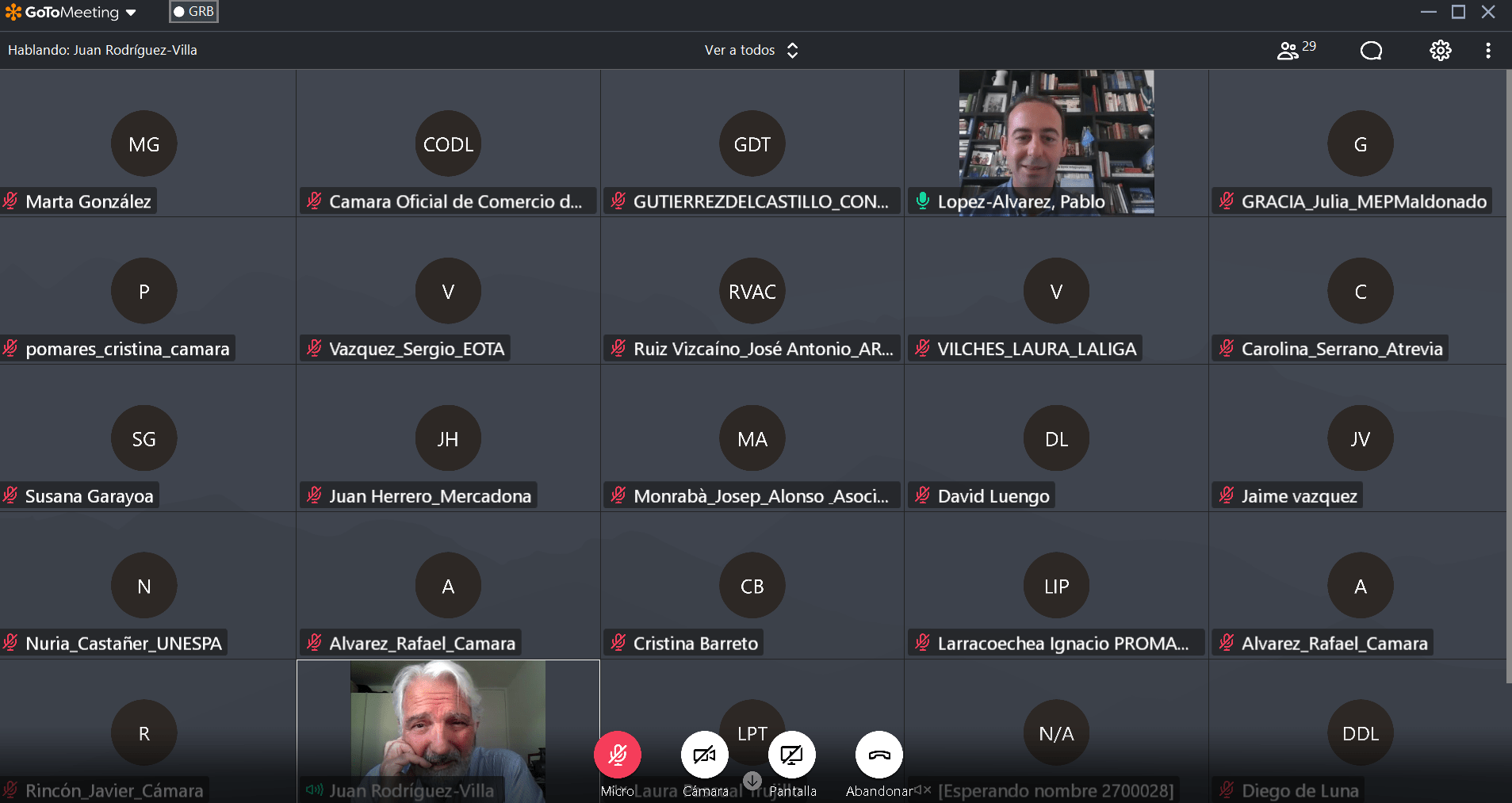
On June 3rd, the Official Spanish Chamber of Commerce in Belgium and Luxembourg hosted a new session of its Breakfast Debates, a platform for meetings between Spanish companies and European Institutionsblank. The event was addressed by Cristina Rueda-Catry, Member of Cabinet of Phil Hogan, EU Commissioner for Trade and covered “Implications of Covid for the European trade policy and the structure of supply chains”. Given the exceptional circumstances of the spread of COVID-19 in Belgium, this breakfast debate was held online and was attended by representatives of member companies of the Chamber, managers of companies, multinationals and Spanish Regional Delegations.

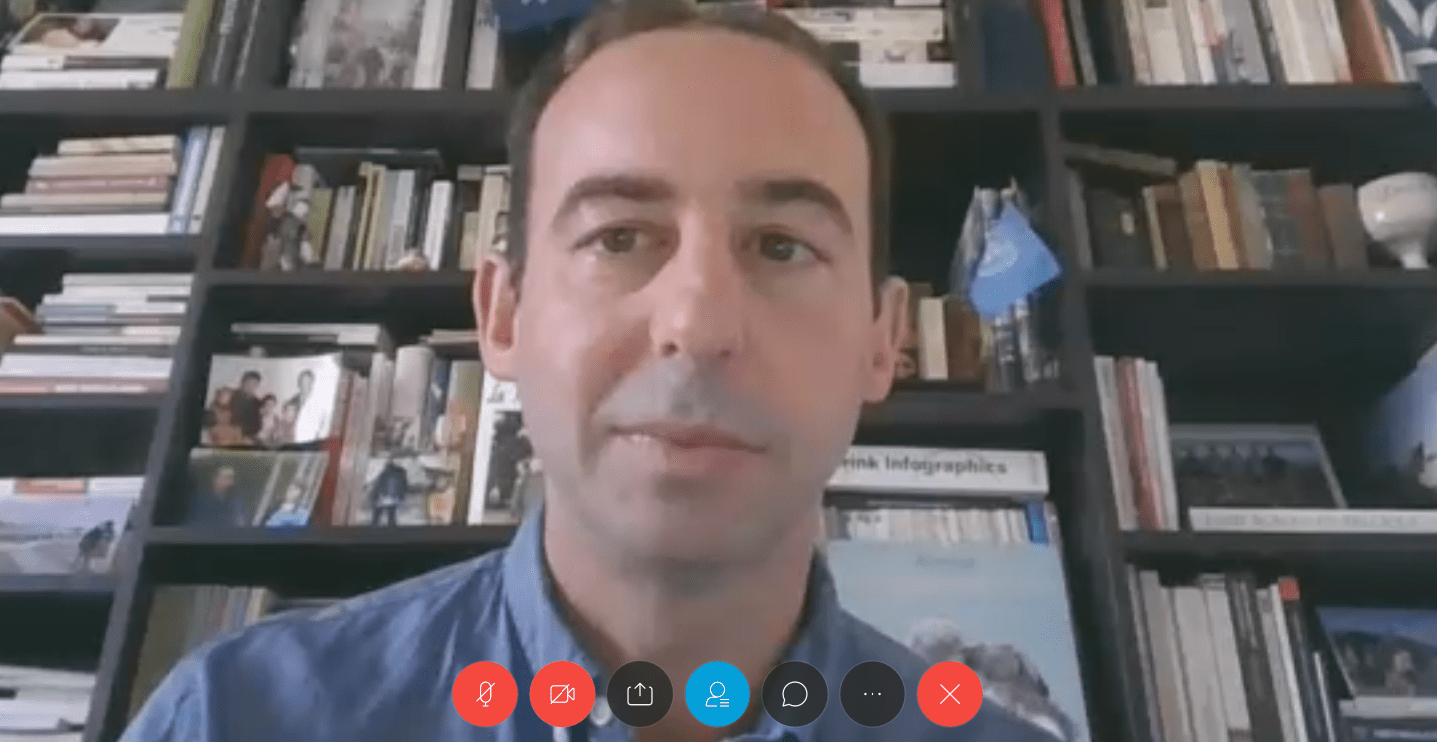
Pablo López Álvarez, Vice-President of the Chamber and moderator of the event, welcomed the speaker and thanked all the attendees for their participation. He began with a presentation of the speaker and gave a quick introduction to the current situation we are facing, which is undoubtedly affecting the priorities and activity of the Commission.

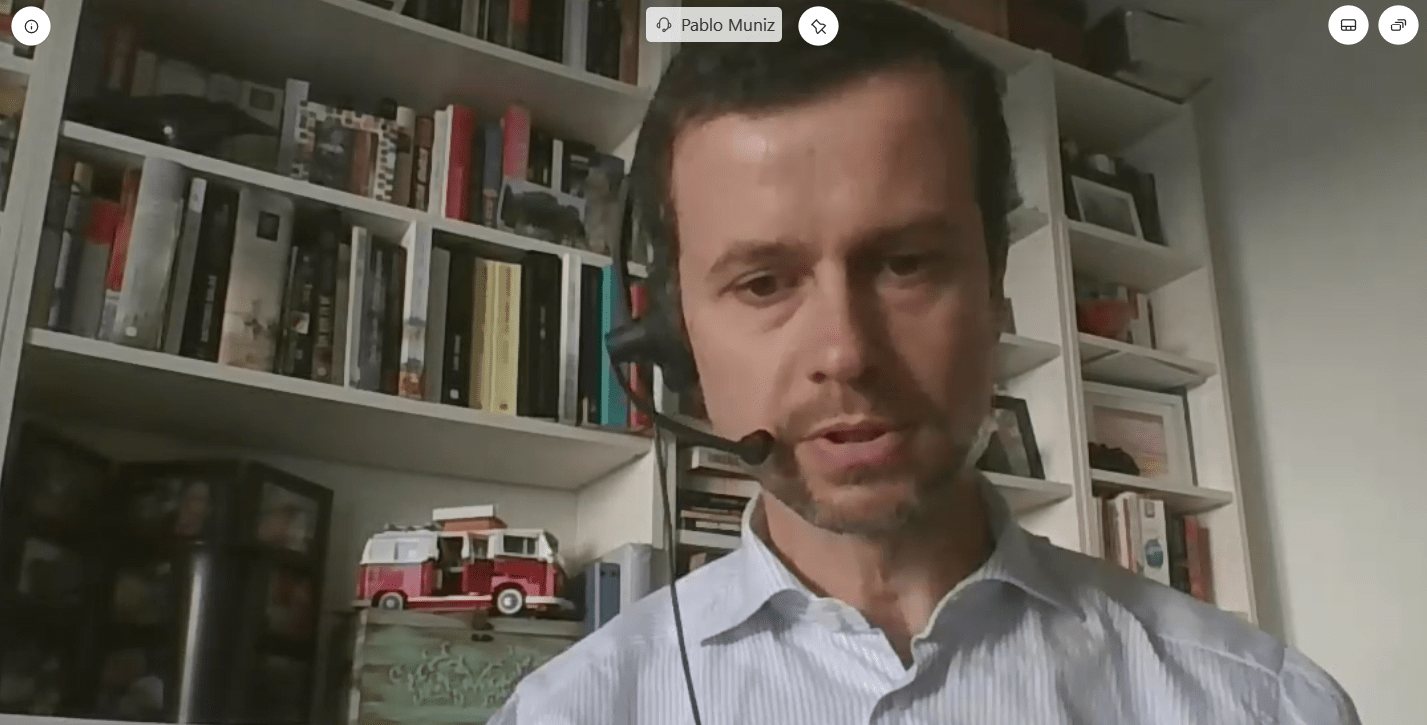
Then, on behalf of our member company and sponsor of the event Van Bael & Bellis, a law firm specialized in EU Commercial Law, its partner Pablo Muñiz took the floor and thanked the speaker and all attendees for their participation in this event.

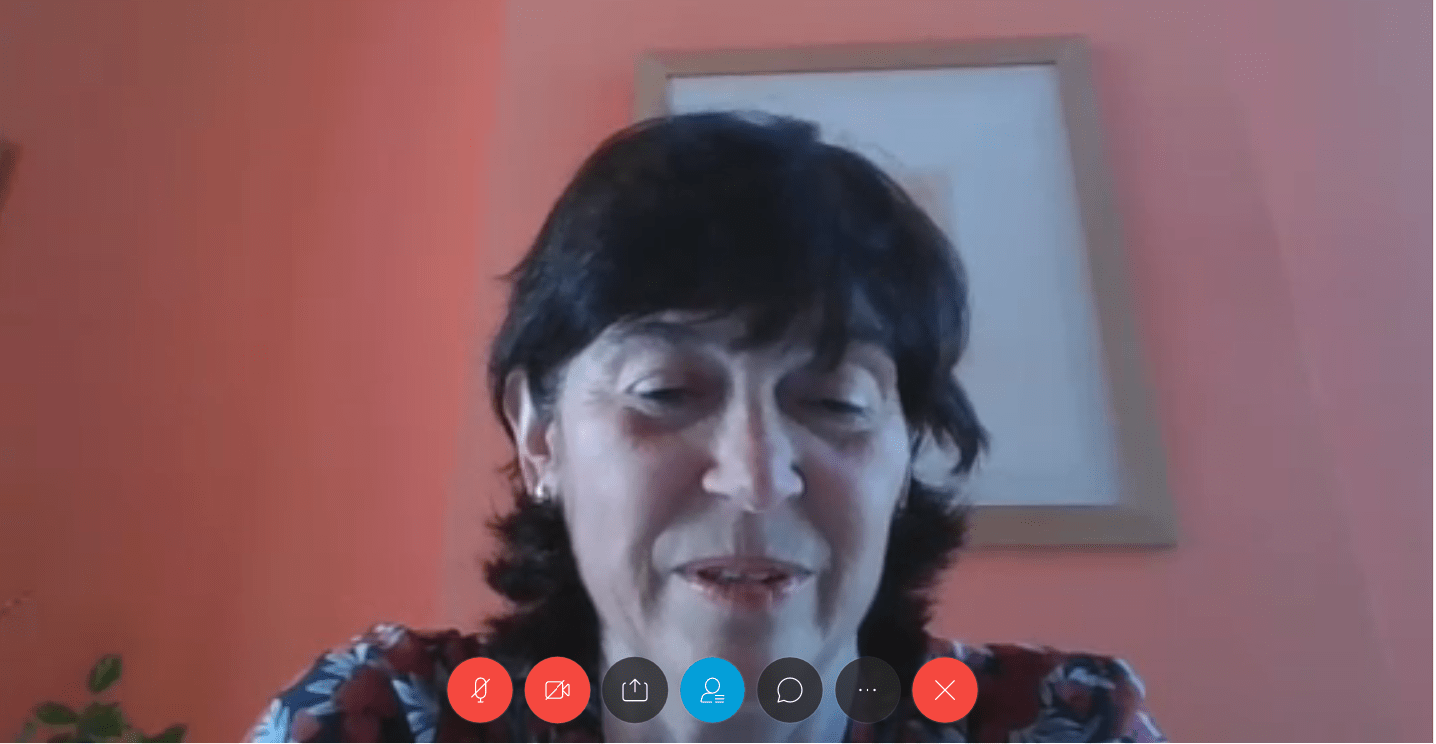
Cristina Rueda began by explaining how this pandemic has overtaken all sectors of society and that it will reach both public health and the economy, given this the European Commission is paying attention to the economic recovery of its members and companies.

blankDuring her speech, Rueda explained how this crisis has impacted the world trade with a drastic drop in both exports and imports in Europe. The speaker highlighted that world trade was one of the main growth booster of the European Union and that a proactive trade policy will be necessary for its recovery. European trade policy has seen many changes during this crisis, so a new revision of it will be necessary, giving the EU the leadership to guarantee greater resilience and sustainability. This will be achieved, among many other points, by supporting SMEs, diversifying supply chains, protecting companies and workers or keeping the markets open, when companies integrate the needs of the workers and society. She also informed that it will be crucial for this recovery to guarantee the diversity of the offer and to reinforce the anti-dumping duties that protect many jobs and companies from unfair practices. In another area, she reminded that the relaxation of the State aid regulations is merely temporary and that this practice should not be over-extended so that it is not perceived negatively by our present and future trade partners.

On the other hand, the speaker reported on the agenda of bilateral negotiations with Latin America, in which she explained some of the agreements that are currently under negotiation  with Mexico or Chile as well as the single bilateral agreement with MERCOSUR that will allow great savings in rates and which is unique since the block does not have other blanksimilar agreements.

Finally, Rueda informed that, in these months of great activity that lie ahead, it will be essential that all interested companies participate in the forthcoming consultations and debates of the European Commission, not only to face the challenges of Covid but in all sectors that already had problems previously that also have been affected by this crisis.

During the Q&A session, participants were able to raise many questions of interest to them. Thus, various topics were discussed such as the impact of this crisis on the negotiation and implementation of free trade agreements, the agreements with China and India or the sustainable development measures that will be carried out during the economic recovery.

The Spanish Chamber of Commerce in Belgium and Luxembourg would like to thank Cristina Rueda-Catry, all the participants in this session and our member Van Bael & Bellis for sponsoring this event.


Sponsored by:

blank

https://e-camara.com/web/wp-content/uploads/2020/05/cristina.jpg 340 888 Cámara BeLux https://e-camara.com/web/wp-content/uploads/2025/10/Logo-Camara-de-BELUX-es-web.png Cámara BeLux2020-06-03 17:30:532020-06-03 18:00:39Online Breakfast-Debate with Cristina Rueda-Catry, Member of Cabinet of Phil Hogan, EU Commissioner for Trade

Breakfast-Debate with Isabel de la Mata, Principal Advisor for Health and Crisis Management, European Commission

27/05/2020

On May 27th, the Official Spanish Chamber of Commerce in Belgium and Luxembourg hosted a new session of its Breakfast Debates, a platform for meetings between Spanish companies and European Institutions. The event was addressed by Isabel de la Mata, Principal Advisor for Health and Crisis Management of the European Commission and covered “The role of the Commission and DG SANTE in relation to the COVID: present and future”. Given the exceptional circumstances of the spread of COVID-19 in Belgium, this breakfast debate was held online and was attended by representatives of member companies of the Chamber, managers of companies, multinationals and Spanish Regional Delegations.

blank


Pablo López Álvarez, Vice-President of the Chamber and moderator of the event, welcomed the speaker and thanked all the attendees for their participation. He began with a presentation of the principal advisor and gave a quick introduction to the current situation we are facing, which is undoubtedly affecting the priorities and activity of the Commission.


blank


Isabel de la Mata began by explaining the integrated response provided by the European Commission to the covid-19 crisis, from monitoring the evolution of the pandemic with the help of the European Centre for Disease Prevention and Control (ECDC), to the management and measures adopted to cover the most immediate needs in the supply of medicines and medical equipment.


During her presentation, the speaker highlighted the joint action of Member States in tackling the health crisis and in making joint purchases of the products that are in most shortage in the Union, namely health protection equipment. She then underlined the outstanding work of the European team of experts that advises the European Commission and that has been elaborating reports and recommendations of great importance in subjects such as the prevention tests, community measures, de-escalation phases, etc. during the development of this crisis. It also highlighted the good crisis coordination by the European Institutions, through the general crisis coordination system, in close collaboration with the Health Security Committee, the Council’s IPCR and the competent authorities of the Member States. Furthermore, she also reported on the different financial instruments on which the European Institutions, and in particular the Commission, have relied and noted the great flexibilization on the use of all the financial instruments to achieve an effective and immediate health response appropriate to the needs arising from this crisis.

During the Q&A session, participants were able to raise many questions of interest to them. Thus, various topics were discussed such as the impact of this crisis on the European pharmaceutical strategy within the new Community health program or the lines of action, external and internal, in which the EU is working on an effective vaccine in the close future.

The Spanish Chamber of Commerce in Belgium and Luxembourg would like to thank Isabel de la Mata and all the participants in this session for their participation.

blank

https://e-camara.com/web/wp-content/uploads/2020/05/1.jpg 340 888 Cámara BeLux https://e-camara.com/web/wp-content/uploads/2025/10/Logo-Camara-de-BELUX-es-web.png Cámara BeLux2020-05-27 14:54:182020-05-27 15:06:19Breakfast-Debate with Isabel de la Mata, Principal Advisor for Health and Crisis Management, European Commission

Breakfast-Debate with the MEPs Pablo Arias and Adriana Maldonado

20/05/2020

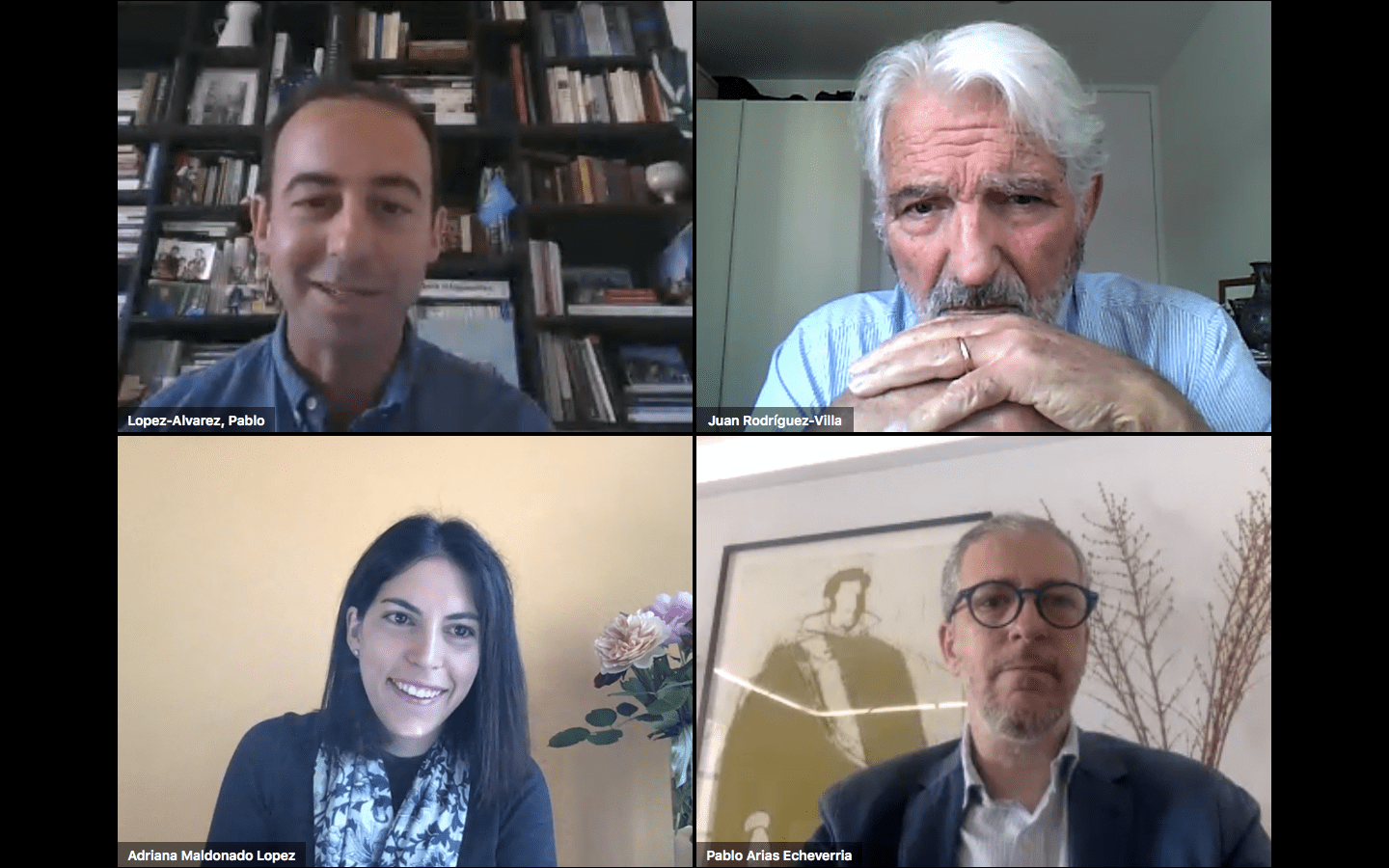
On May 20th, the Spanish Chamber of Commerce in Belgium and Luxembourg hosted an event as part of the “Breakfasts with the European Parliament” cycle, a platform for meetings between Spanish companies and the European Parliament, on the priorities of blankthe Committee on the Internal Market and Consumer Protection (IMCO) for the new legislature. Members of the European Parliament (MEPs) Pablo Arias Echeverría, member of the Group of the European People’s Party (EPP), and Adriana Maldonado López, member of the Group of the Progressive Alliance of Socialists and Democrats (S&D) attended to the session. Given the exceptional circumstances due to the spread of COVID-19 in Belgium, this Breakfast-debate was held telematically and featured among the attendants representatives from member companies of the Chamber, managers of multinational companies as well as European and Spanish associations.

The president of the Chamber, Juan Rodríguez-Villa, welcomed the event and thanked the participation of the speakers and all of the attendants. Also, Pablo López Álvarez, Vice President of the Chamber and moderator blankof the event, introduced the speakers and briefly referred to the current historical circumstances we are experiencing, and explained that this situation has undoubtedly compromised the short-term priorities and activity of the Eurogroup.

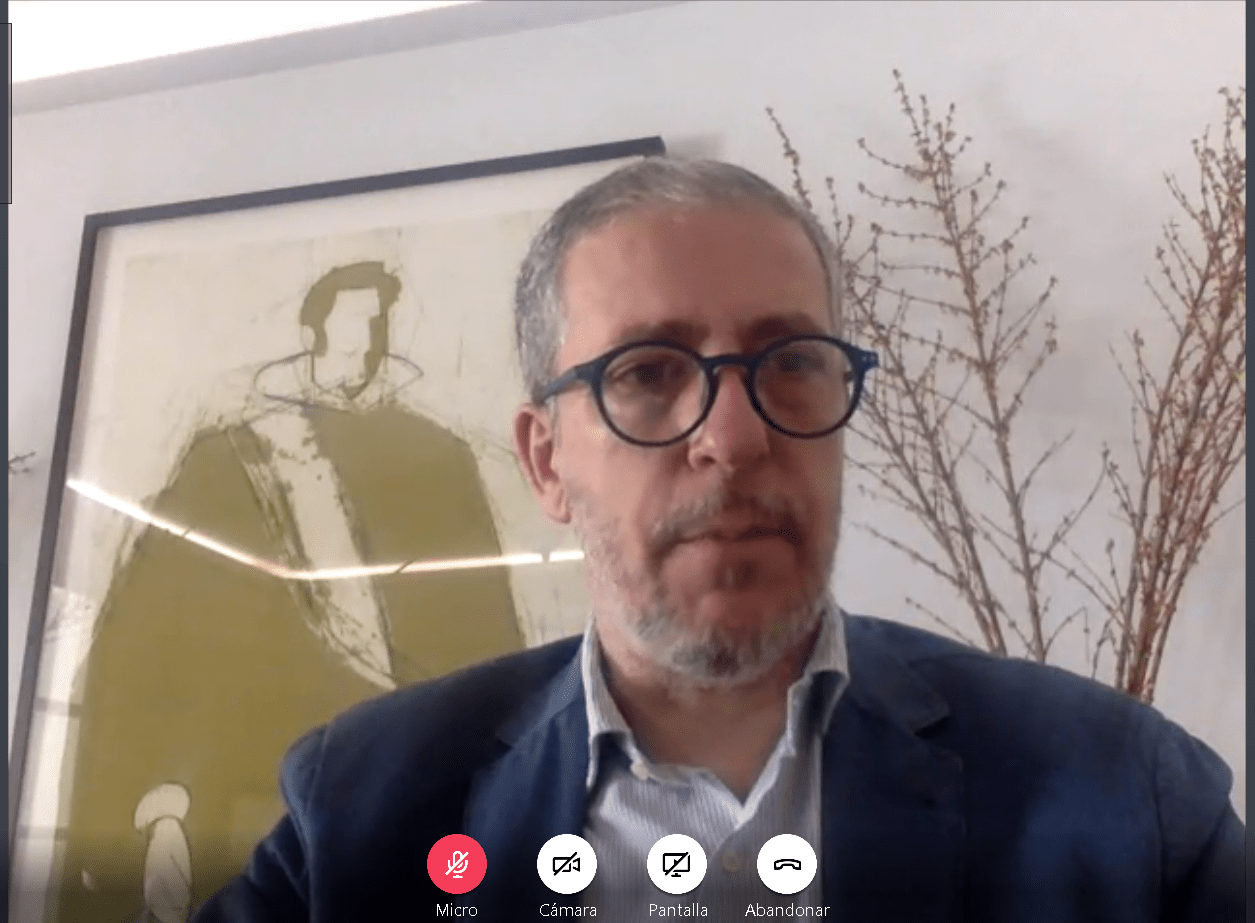
The MEP Pablo Arias explained that the situation in which we find ourselves has forced us to take measures that were not foreseen at the beginning of this legislature. During his speech, the MEP highlighted that the key of the recovery and reactivation of the economy will be to value the single market, because consumption will have to be reactivated due to the fall in employment. In this way, the Parliament and the European Commission are already working to see what mechanisms will be used. Then, he focused on the importance that electronic commerce has at the moment, highlighting that their main objective is to offer secure e-commerce and bet on digital leadership without losing competitiveness, being this digital sphere the one that has helped to maintain the EU economy during the pandemic and will be key to its recovery. On the other hand, Arias reviewed the different sectors that have been affected by this crisis, such as tourism. He also highlighted the exceptional reaction by carriers and the food sector. To finish, the MEP declared that the competitiveness of the European Union must be protected and that today the vaccine against COVID-19 is a priority for Europe.

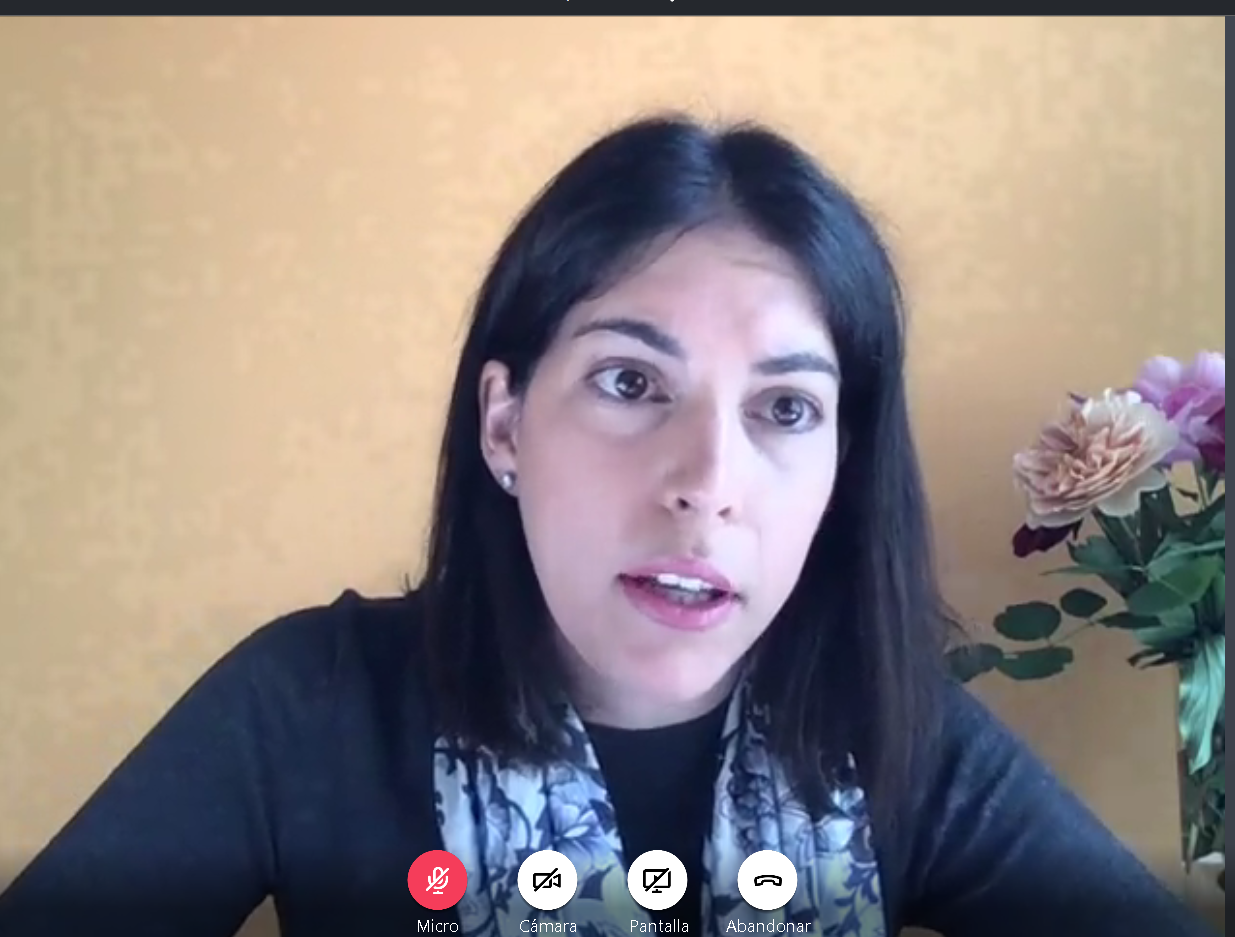
Next, MEP Adriana Maldonado, who noted the quick reaction of the European Union and its coordination in managing this crisis while analyzing it, because there was no similar precedent. From her side, the MEP highlighted the good value chain of the blankEU’s primary sector as it has been shown that, despite consumer’s uncertainty, they have offered full supply. At the same time, she analyzed the weaknesses of the European Union, such as the lack of stock of pharmaceuticals or basic products, which will serve to establish a minimum stock for the future. On the other hand, Maldonado reported on the great impact that state aids have on the internal market and that it will be necessary to seek equality within this market so all countries can benefit from it. In conclusion, she explained that a recovery plan is needed to improve the weaknesses of the EU, emphasizing in the digitization of both companies and public administrations to show security to all consumers and be more competitive. The MEP also highlighted that the legislative work of the European Parliament, as the representative of the Europeans, has not stopped at any time and that adaptation to the telematic context has been fast.

During the time for questions, the participants were able to inquire the speakers on many issues of their interest. Thereby, they blankcovered topics such as the importance of social action policies within the European Union or how this commission will bet on innovation and digitization due to this situation for the new legislature.

The Spanish Official Chamber of Commerce in Belgium and Luxembourg would like to thank the MEPs, Spanish companies and representatives of the European Parliament who participated in this Breakfast.

https://e-camara.com/web/wp-content/uploads/2020/05/portada1.jpg 340 888 Cámara BeLux https://e-camara.com/web/wp-content/uploads/2025/10/Logo-Camara-de-BELUX-es-web.png Cámara BeLux2020-05-20 16:34:042020-05-20 16:33:10Breakfast-Debate with the MEPs Pablo Arias and Adriana Maldonado

Interview to your Excellency Beatriz Larrotcha Palma, Ambassador of Spain to the Kingdom of Belgium

19/05/2020
Read more
https://e-camara.com/web/wp-content/uploads/2020/05/noticiaEmb.jpg 340 888 Cámara BeLux https://e-camara.com/web/wp-content/uploads/2025/10/Logo-Camara-de-BELUX-es-web.png Cámara BeLux2020-05-19 16:55:232025-09-23 15:39:00Interview to your Excellency Beatriz Larrotcha Palma, Ambassador of Spain to the Kingdom of Belgium

Board of Directors Meeting

19/05/2020

On May 19th, the Board of Directors of the Chamber met telematically.

During the meeting, a review of the current situation of the Chamber derived from Covid-19 was made, the Competition Commission and the Spanish Financial Forum, two new working Committees recently created by the Chamber, were discussed and the upcoming events as well as the scheduled activities.

Likewise, the Board of Directors approved the annual accounts for the 2019 financial year for presentation at the Ordinary General Assembly that will take place by the end of June.

https://e-camara.com/web/wp-content/uploads/2020/05/consejo-de-administracion-web.jpg 340 888 Cámara BeLux https://e-camara.com/web/wp-content/uploads/2025/10/Logo-Camara-de-BELUX-es-web.png Cámara BeLux2020-05-19 16:31:122020-05-19 17:35:49Board of Directors Meeting
Page 4 of 512345

Latest news

  • blank
    25/11 Luncheon-debate with Martin Engell-Rossen, Head of Cabinet of Dan Jørgensen, Commissioner for Energy and Housing06/07/2026 - 12:47
  • blank
    29/09 Conference “Changes that may affect your HR management”03/07/2026 - 12:51
  • blank
    24/09 Onsite event “Climate Transition and Competitiveness: Spanish Companies in the European Industrial Agenda”01/07/2026 - 17:13
  • blank
    Cristina Dias discusses the EU’s efforts to channel savings into productive investment30/06/2026 - 15:18
  • blank
    Nicolás Pascual de la Parte calls for greater European autonomy in defence25/06/2026 - 15:17

Become a member

Accession form: Spanish

Accession form: English

ABOUT US

The Official Spanish Chamber of Commerce in Belgium and Luxembourg is a non-profit association whose main objective is the development of trade and investments between Spain, Belgium and Luxembourg. The Chamber offers to the companies a wide range of commercial and promotional services as well as professional contacts and facilitates business networking among its partners.

  • Chamber
  • Calendar
  • News
  • Contact
  • FEDECOM
  • FECECA
  • Intranet
  • PRIVATE POLICY
  • Terms and conditions of sale

CONTACT

Belgium
Avenue des Arts 1-2,
1210, Brussels, Belgium
Tel. +32 2 517 17 40
info@e-camara.com

Luxembourg
Tel. +352 661 404 399
luxemburgo@e-camara.com

With the support and recognition of

blank

blank

blank

© Cámara Oficial de Comercio de España en Bélgica y Luxemburgo
  • Español
Scroll to top Scroll to top Scroll to top
X