• Link to LinkedIn
  • Link to X
  • Chamber
    • About us
    • Board of Directors
    • Committees
  • Calendar
  • News and events
  • Contact
  • CAMACOES Network
    • FEDECOM
    • FECECA
  • Intranet
  • Español
  • Shopping Cart Shopping Cart
    0Shopping Cart
Cámara Oficial de Comercio de España en Bélgica y Luxemburgo
  • Home
  • Members
    • Fees and Membership
    • Advantages for members
    • List of members
    • Members’ interviews
  • Trade services
    • Trade Mission
    • Accompaniment and commercial fairs
    • Listings of Companies
    • Establishment of companies in BeLux
    • Legal Assistance and translations
    • Promotion
  • Activities
    • Platform “Business Circle”
    • Afterworks with members
    • Tailored events
    • “Company of the Year” Award
    • Day of Spain
    • Tastings
  • Trainings
    • Advocacy strategies in the EU
    • Introduction to the Luxembourg Financial Market
    • Specialised training courses
  • Programs
    • EmpleoBeLux
    • EmprendeBeLux
    • Erasmus for Young Entrepreneurs
    • Young Talent Mobility Programme
    • SOFTIMPROVE
    • Spain Means Innovation
    • TEX4.0
    • W4TEX
    • Completed programs and projects
  • Business centre
    • Domiciliation
    • Spaces for rent
    • Co-working space
  • Click to open the search input field Click to open the search input field Search
  • Menu Menu

Covid-19 bonus for companies in Brussels

14/05/2020

COVID-19 premium

The measures taken to counter the spread of the coronavirus are having unprecedented consequences for the economic activity. The Region supports companies that have temporarily closed their doors and are work in certain sectors of activity. Under certain conditions, you can benefit from a bonus of 4,000 € per establishment in the Region. Your application for a voucher must be submitted by June 1st at the latest.

All about the COVID-19 voucher

Who can benefit from this bonus?

Any company (self-employed or business) with fewer than 50 full-time employees (FTE) with at least one operational site in the Brussels-Capital Region and active in an eligible sector of activity: shop-keeper, establishments, … (including bookshops, estate agents, car wash and DVD rental companies). Please check on the Banque Carrefour des Entreprises website that your NACE VAT 2008 codes correspond to your actual activity.

The business must have an economic and commercial purpose. Public companies (or companies considered as such) cannot benefit from this bonus. A different voucher is available for social integration companies.

Reminder: A company can only receive a maximum of 200,000 € of “de minimis” aid during the current fiscal year and the two previous years, according to the Commission Regulation (EU) No. 1407/2013 of 18 December 2013.

The application for the voucher must be submitted before June 1st 2020.

What is the procedure?

Amount of the bond: 4,000 € per operational site located in the Brussels-Capital Region, with a maximum of 20,000 € per company.

Maximum number of requests: Only one request per company.

Who can ask for the bonus?

1. Check with your company number to see if you meet the criteria.

Tip: Make sure that your NACE VAT codes in the Crossroads Business Bank reflect your actual activity.

2. If you meet the criteria, fill out a bonus application form. The deadline is June 1st 2020. The form must include the following attachments:

  • a bank certificate of your company’s account (company name and account number)
  • your last monthly or quarterly VAT return
  • a photo of the bank card linked to the company’s current account (jpeg format)
  • a double-sided photo of the identity card of the person signing the application (jpeg format)

Attention

In the event that the subsidy is granted: the company will notify Bruxelles Economie et Emploi immediately if it is subsequently sold or if it ceases to operate.


Contact

Bruxelles Economie et Emploi
Direction des Aides aux entreprises

Bd du Jardin Botanique, 20

1035 Ixelles


For more information about this bonus or any other business assistance, please contact 1819 (the Regional Business Information Service hosted at hub.brussels).

E  info@1819.brussels
T  Call 1819


SOURCE: Bruxelles Économie et Emploi

https://e-camara.com/web/wp-content/uploads/2020/04/bel-1.jpg 340 888 Cámara BeLux https://e-camara.com/web/wp-content/uploads/2025/10/Logo-Camara-de-BELUX-es-web.png Cámara BeLux2020-05-14 17:08:312020-05-14 18:23:08Covid-19 bonus for companies in Brussels

Webinar on “Writing for the web”

08/05/2020

On May 8th, the Official Chamber of Commerce of Spain in Belgium and Luxembourg organized a webinar on “Writing for the web”, in collaboration with Manuel Pueyo of the company Bigkids, member of the EmprendeBelux program. The webinar had more than 40 participants.

Nowadays, the web pages offer the opportunity to reach out to more people. The objective of this webinar was to present and explain to the participants the different tools necessary to adapt their messages and content to the reading habits of network users. This requires becoming a content designer.

The training was aimed at a huge variety of organizations such as law firms, NGOs or professional services that decide to invest in digital content as a way to promote and improve their messages to all potential stakeholders. Also for web publishers who want to update their strategy or for anyone who writes on a website and seeks to improve their productivity, creativity and efficiency.

This training was given in English.

Manuel Pueyo, content strategy consultant, started with an introduction to digital content in which he showed the different tools to digitize work and to reach out his clients through different adapted methodologies. The different techniques used in the writing of web pages were also exposed through a practical case. In addition, concepts such as “inbound marketing” or “outbound marketing” were seen, as well as content marketing being a good opportunity to prioritize users.

Finally, the different methods for writing in the context of the web, which are based on the planning of texts and some principles of web writing, were also detailed.

During the conference, the participants were able to raise their doubts about the exposed information.

From the Official Chamber of Commerce of Spain in Belgium and Luxembourg we want to thank Manuel Pueyo and Bigkids for their presentation and dedication, as well as the participants for their presence.

https://e-camara.com/web/wp-content/uploads/2020/04/writing-for-the-web-noticia.jpg 340 888 Cámara BeLux https://e-camara.com/web/wp-content/uploads/2025/10/Logo-Camara-de-BELUX-es-web.png Cámara BeLux2020-05-08 15:14:052020-05-08 15:19:29Webinar on “Writing for the web”

Cooking workshop with Adrián Mancheño, chef of the Hispania Restaurant Brussels

04/05/2020

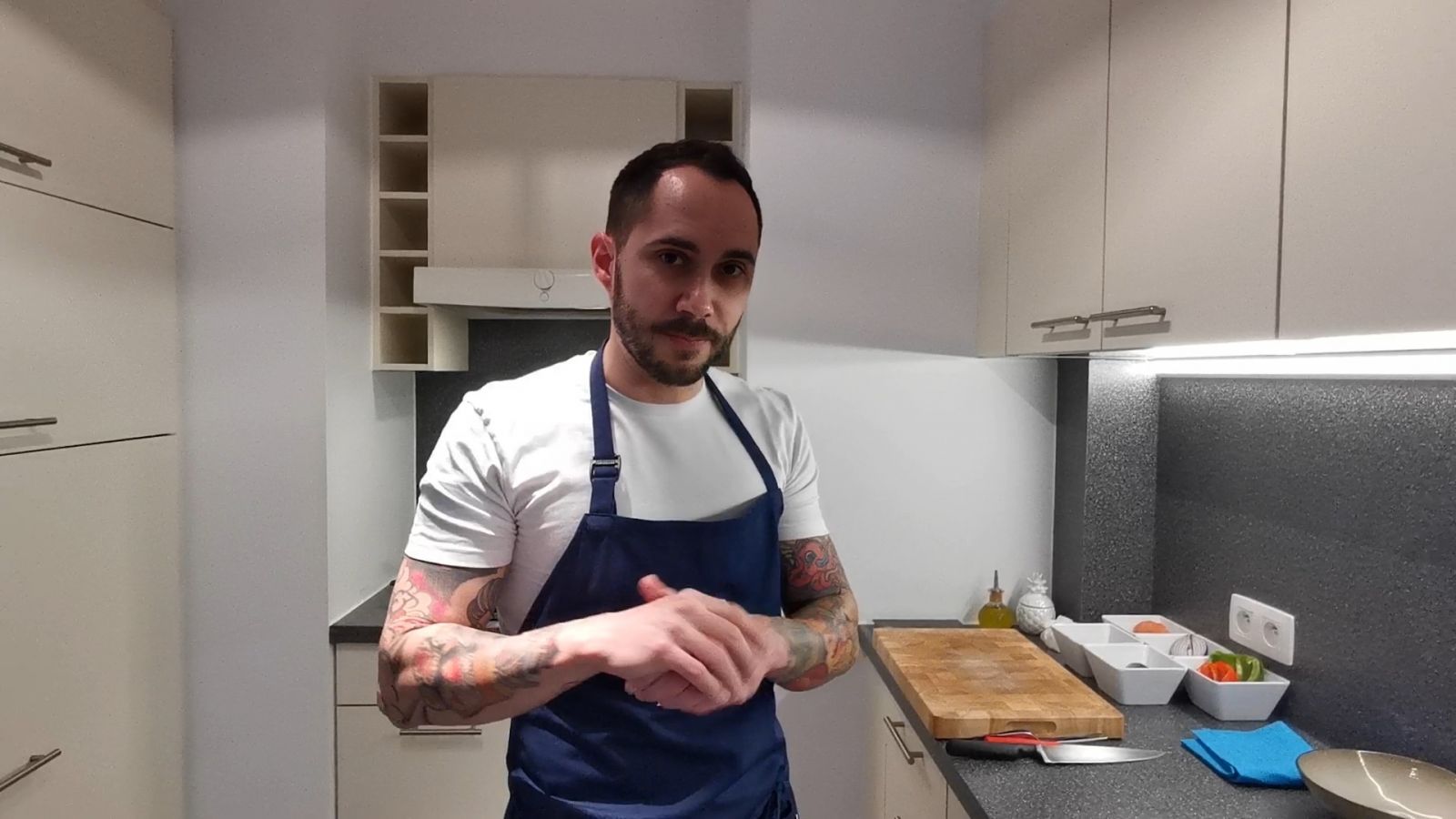
The Chamber organized last April 30th a cooking workshop with Adrián Mancheño, chef of the Hispania Restaurant Brussels, on April 30th.

Spanish gastronomy is not only one of the best in the world in terms of quality and diversity but also in innovation, creativity and modernity, and its chefs have become the best ambassadors of the country. The aim of this initiative is to present Spanish gastronomy to our members with the help of Spanish professionals in Belgium.

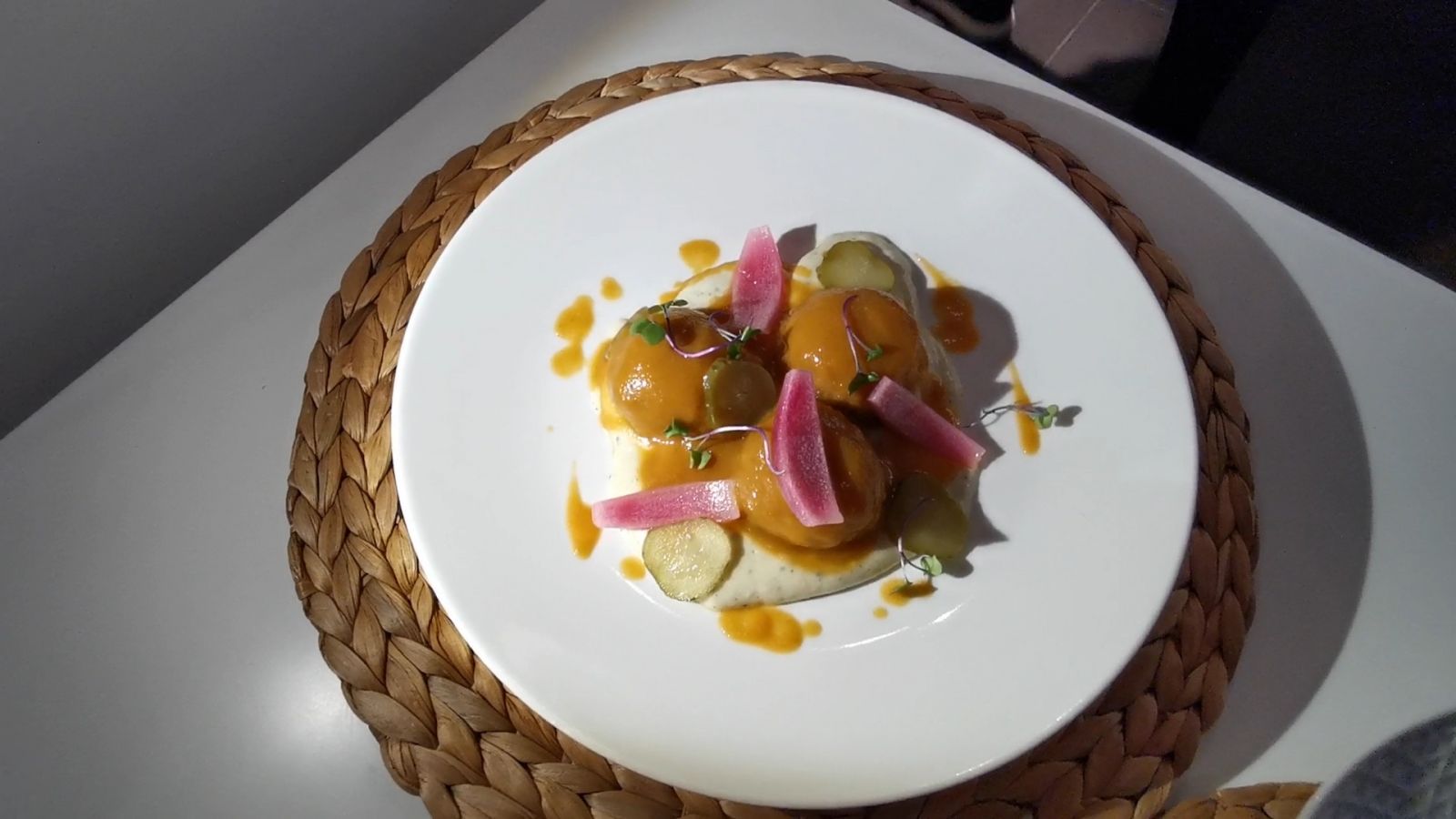
The chef cooked it version of the traditional meatballs with Iberian prey, truffled potatoes blankand pickles that delighted all the participants. At the end of the workshop, a debate was held where the attendees could ask all the questions to the chef.

blankAdrián Mancheño has been trained in some of the most prestigious restaurants in Spain, such as Casa Gerardo, Restaurante Coque or El Celler de Can Roca. He currently leads, along with Marcos Morán, the Hispania Restaurant Brussels.

In May 2019, Adrián with Hispania received the Gold Delta Award as the best restaurant in Brussels and it is listed as a recommended restaurant in the Michelin Guide since 2018. 

Here you can see the recipe.


In collaboration with:

blank

https://e-camara.com/web/wp-content/uploads/2020/04/cebolla1.jpg 340 888 Cámara BeLux https://e-camara.com/web/wp-content/uploads/2025/10/Logo-Camara-de-BELUX-es-web.png Cámara BeLux2020-05-04 11:59:292020-05-04 12:00:20Cooking workshop with Adrián Mancheño, chef of the Hispania Restaurant Brussels

Measures taken by the National Security Council of April 24th, 2020

27/04/2020

On the basis of recommendations from the Group of Experts in charge of the Exit Strategy (GEES), the National Security Council met today, Friday April 24th, to determine the exit strategy from the corona crisis. Hopeful indicators, such as the reduction in the number of daily hospital admissions or the flattening of the mortality curve now make it possible to start phasing out very gradually. But the government stresses that the virus is still present on our territory and remains dangerous.

It is important to emphasize that certain rules remain in force, even as were scaling down the measures. Rules such as:

– Limiting contact with people

– Respecting safe distances

– good hygienic reflexes, also called “barrier gestures

– Use of masks in public areas and public transport for users aged 12 years and over.

– Travel by your own means instead of public transportation and avoid rush hours.

Phasing out strategy

The strict containment measures will certainly remain in place until 3 May. Belgium could then start phasing out the measures, if circumstances permit. All of the following dates are subject to change depending on the health situation and the evolution of the virus.

  • Phase 1-A (4 May)

Working from home is still the standard.  For example, if companies cannot meet the physical distancing requirements, they will be able to compensate by following a series of health recommendations, such as wearing a mask.

The rules do not change for shops and the hospitality industry, except for the fabric shops, which – given their important role in the production of mouth masks – are allowed to open their doors.

Working groups are already studying how to respond to the need to continue to provide the best care to people infected with covid-19 while gradually and safely expanding access to general and specialised health care. The aim is to ensure that everyone regains ‘normal’ access to healthcare as soon as possible and that the medical infrastructure needed to care for people suffering from the virus is not overburdened.

Physical activity in the open air is allowed with a maximum of two people in addition to those living under the same roof, provided that physical distance is always respected.

It will also be allowed to practice other non-contact sports in the open air. But access to changing rooms, communal showers and cafeterias is still forbidden.

  • Phase 1-B (11 May)

This phase allows all shops to reopen at the same time – without discrimination on the basis of size or industry – in order to give everyone the same chance of success. This will of course be subject to conditions. These will be determined in consultation with the industries and the social partners.

There are three types of conditions, relating to: work organization, welcoming in clients and restricting access to shops to avoid hustle and bustle.

Carrying out so-called contact professions (such as hairdressing, for example) is not permitted at this stage.

Future of sports competitions will be also clarified in the short term.

  • Phase 2 (18 May)

The government  look at whether and under what conditions so-called contact professions can be resumed, again under certain conditions.

The opening of the museums can also be considered during phase two, also under certain conditions, for example through a ticketing system.

Team sports will be possible in the open air, but only in a club setting and subject to certain conditions.

Lessons will very gradually resume from the 18th of May. Not all pupils/students will be able to go back to school immediately. Each Community will be responsible for implementing this decision on its own territory, in consultation with the education sector.

Also, certain possibilities will be examined, such as:

– the ability to hold private meetings at home

– the ability to permit more people at weddings and funerals.

– allowing more than two people to be active outdoors together

– the possibility to organize day trips to certain regions of the country.

  • Phase 3 (8 June at the earliest)

Multiple points will be examined:

– How to organize the possible and gradual reopening of restaurants and, at a later stage, cafes, bars and the like. This will in any case have to be done under strict conditions.

– Various summer activities such as trips abroad, youth movement camps (to be decided at the end of May), internships, tourist attractions but also smaller open-air events. The only certainty is that mass events such as festivals are not allowed before 31 August.


Source: Belgian.be

https://e-camara.com/web/wp-content/uploads/2020/04/bel-1.jpg 340 888 Cámara BeLux https://e-camara.com/web/wp-content/uploads/2025/10/Logo-Camara-de-BELUX-es-web.png Cámara BeLux2020-04-27 13:00:432020-04-27 13:15:23Measures taken by the National Security Council of April 24th, 2020

Extension of the measures taken by the Walloon Government against Covid-19

23/04/2020

On 22 April, the Walloon Government presented additional measures to address the consequences of the health crisis in the region. Main measures taken:


Economy / Employment

285 million in addition to the 233 million euros already allocated in March to support the economy, businesses and the self-employed workers:

Extension of the categories for the fixed allowance of Sectors concerned: mechanics, artistic and entertainment businesses, gyms, horse-riding centres, cinemas, real estate agencies.

Introduction of a second fixed allowance of 2,500 euros for self-employed workers/businesses that have only been able to operate partially during the containment period and have benefited from the right of transition.

Creation of the transitional loan for self-employed workers who need cash to get through the transition. Loans of a maximum amount of 45,000 euros at a favourable interest rate and for a maximum period of 5 years. This loan will be financed in two thirds by the banks and in one third by the public entity SOWALFIN. This last one will guarantee 75% of the reimbursement. Attention! The repayment loan cannot be cumulated with the overall compensation.

In total, the Government estimates that between 110 and 115,000 self-employed persons/enterprises will benefit from this aid.


Health/social measures

1 million for the purchase of food for entities active in food aid.

Increased support for housing infrastructure (in addition to that already granted in March) to help them cope with the additional costs related to the crisis: an additional 250 euros for residents in mental health centres and housing infrastructures for people with disabilities and an additional 400 euros for each bed authorised in the MR-MRS.

Hiring of 140 psychologists who will provide support and accompaniment to the residents and care staff of these reception centres.

Assistance for the accompaniment of disabled people confined in their homes

5 million euros reinforcement for the financing of the Walloon CPAS to enable them to meet new needs and new target groups.

Financial support for the 88 family and elderly care facilities and the 6,500 workers in this sector: 80% compensation for the loss of co-payments (for the covid lost hours) provided that the workers for whom the hours are declared are not unemployed.

Overall compensatory aid of 5,000 euros to the 124 companies approved as Social Economy Initiatives, to the Structures for Supporting Self-Creation of Employment (SAACE), to the Advisory Agencies on the Social Economy (ACES).


Housing

Loans at 0% interest granted by the Société Wallonne de Crédit Social for tenants who have difficulties paying their rent. Maximum term of 6 months, repayable in 36 months.

Kot: possibility for students to terminate the student rental contract early.

Authorisation to extend the current lease for those who cannot move.


Energy

Gas/electricity: aid of 100 euros (electricity) and 75 euros (gas) for people who have a budgeted counter (aid in the form of a deduction on the regularisation bill). This measure affects some 100,000 Walloon households.


Water

For citizens with payment difficulties:

Prohibition of any suspension of water supply and limitation of water flow for a period of 60 days from 1st April 2020.

Reinforcement of the aid granted by the Public Social Assistance Centres (CPAS) to people in a precarious situation with an exceptional additional allocation of 500,000 euros to the Water Social Fund.


For the self-employed, SMEs and companies:

With a simple request, a deferral of payment of invoices or a deferral of payment will be granted.

Revision of the quarterly advances to take account of the decline in activity.

Extension of traditional deadlines.

Speeding up payments by public water companies to subcontractors and suppliers

Staggered payment of water tax


Research

25 million to finance research projects carried out by Walloon companies in the fight against the coronavirus.


Non-commercial sector

Securement of grants to associations that can prove that the suspension of their activities is related to the Covid-19 crisis. This measure is intended to maintain employment in the association sector and ensure the viability of these actors who meet the essential needs of our society before, during and after the crisis.


Source: Wallonie.be


https://e-camara.com/web/wp-content/uploads/2020/04/valonia.png 500 1306 Cámara BeLux https://e-camara.com/web/wp-content/uploads/2025/10/Logo-Camara-de-BELUX-es-web.png Cámara BeLux2020-04-23 12:57:202020-04-23 13:02:46Extension of the measures taken by the Walloon Government against Covid-19

Containment measures extended up to May 3rd

16/04/2020

The Prime Minister, Sophie Wilmès, announced some new measures following the National Security Council meeting on Wednesday 15 April, the most important one was the extension of the containment measures currently in force up to and including 3 May.

Following this decision, do-it-yourself stores and garden centers will be able to re-open, under the same conditions as food stores while social distancing will need to be respected. Also residents of residential facilities – i.e. rest and care homes or centers for people with disabilities – will be allowed to be visited by a pre-designated person. The condition is that the person in question has not shown any symptoms of the disease in the past two weeks. These rules will also apply to people who live in isolation and are unable to move around.

The basic rules will remain unchanged until 3 May and must be followed strictly. The public order services will continue to monitor this. A new National Security Council meeting will be organized next week with the aim of developing the next step in phasing out the measures. The goal is to organize this  phase-out strategy from early May and this will gradual based on the advice of the scientists. This strategy will be based on several pillars, namely social distancing, large-scale screening as well as tracing, and the development of new rules to be applied in the business world.

It is clear that wearing a face mask – even a so-called comfort mask – will also play an important role in the phase-out strategy. Fabric masks will be recommended for any situation where social distancing cannot be maintained. In order to do so, a collective effort will be needed, including the start-up of national production. However, face masks cannot replace the hygiene measures or social distancing.

In the short term, the National Security Council will give its opinion on the analyses and proposals of the group in charge of the exit strategy, including the right timing and conditions for the gradual re-opening of shops and catering establishments, as well as on the approach to schools, internships, youth movements and travel. It has already been established that mass events such as festivals cannot be organised before the end of August.

As regards the business community, the current rules will continue to apply until such time as the protocols can be ratified on a sector-by-sector basis. The aim of these protocols is to enable companies to resume their normal activities as soon as possible, while also guaranteeing adequate working conditions for their employees, adjusted for the situation. Working from home should continue to be preferred for some time to come.

Source: Info-coronavirus.be

https://e-camara.com/web/wp-content/uploads/2020/04/bandera-belgica-web-1.jpg 522 1363 Cámara BeLux https://e-camara.com/web/wp-content/uploads/2025/10/Logo-Camara-de-BELUX-es-web.png Cámara BeLux2020-04-16 14:35:312020-04-16 14:41:42Containment measures extended up to May 3rd

Breakfast-debate with MEPs Jordi Cañas and Inmaculada Rodríguez-Piñero: priorities of INTA committee

08/04/2020

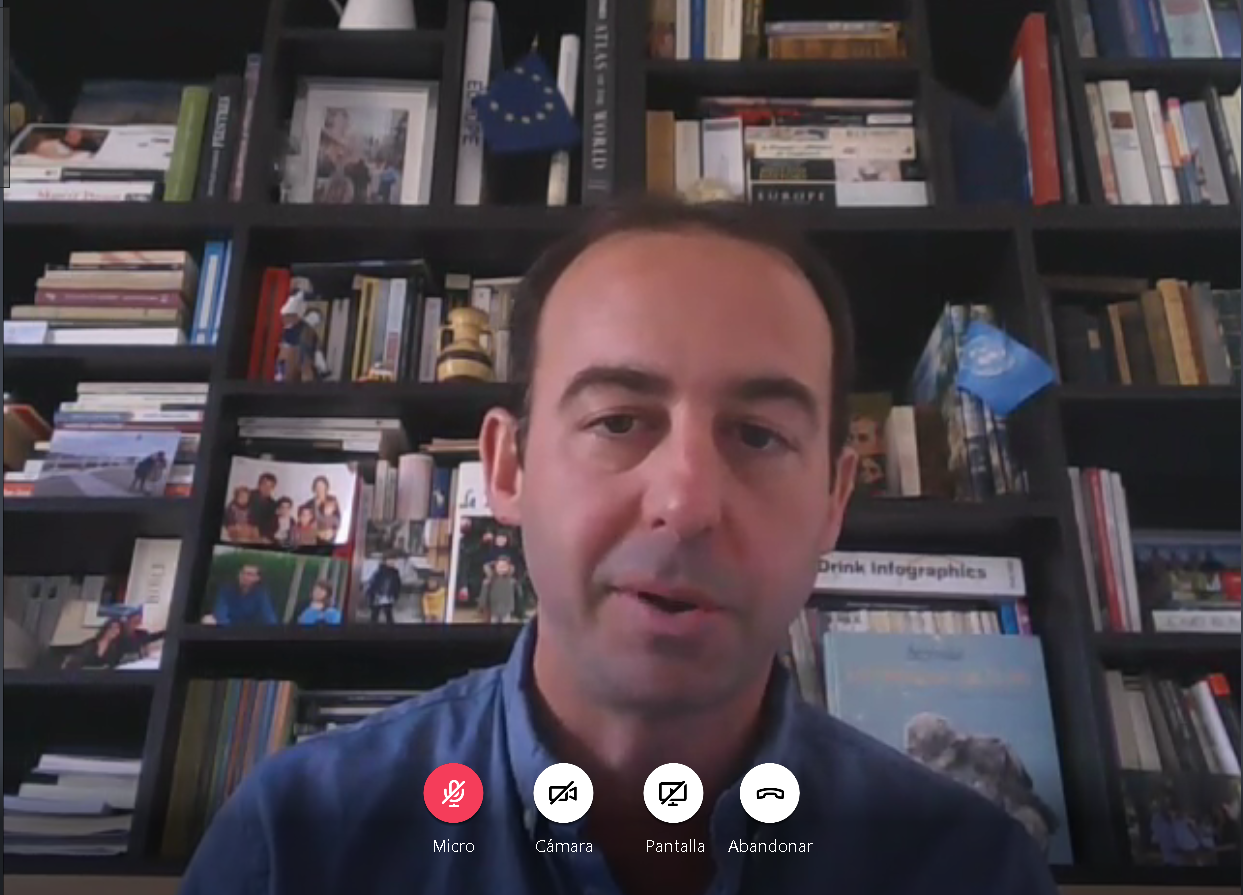
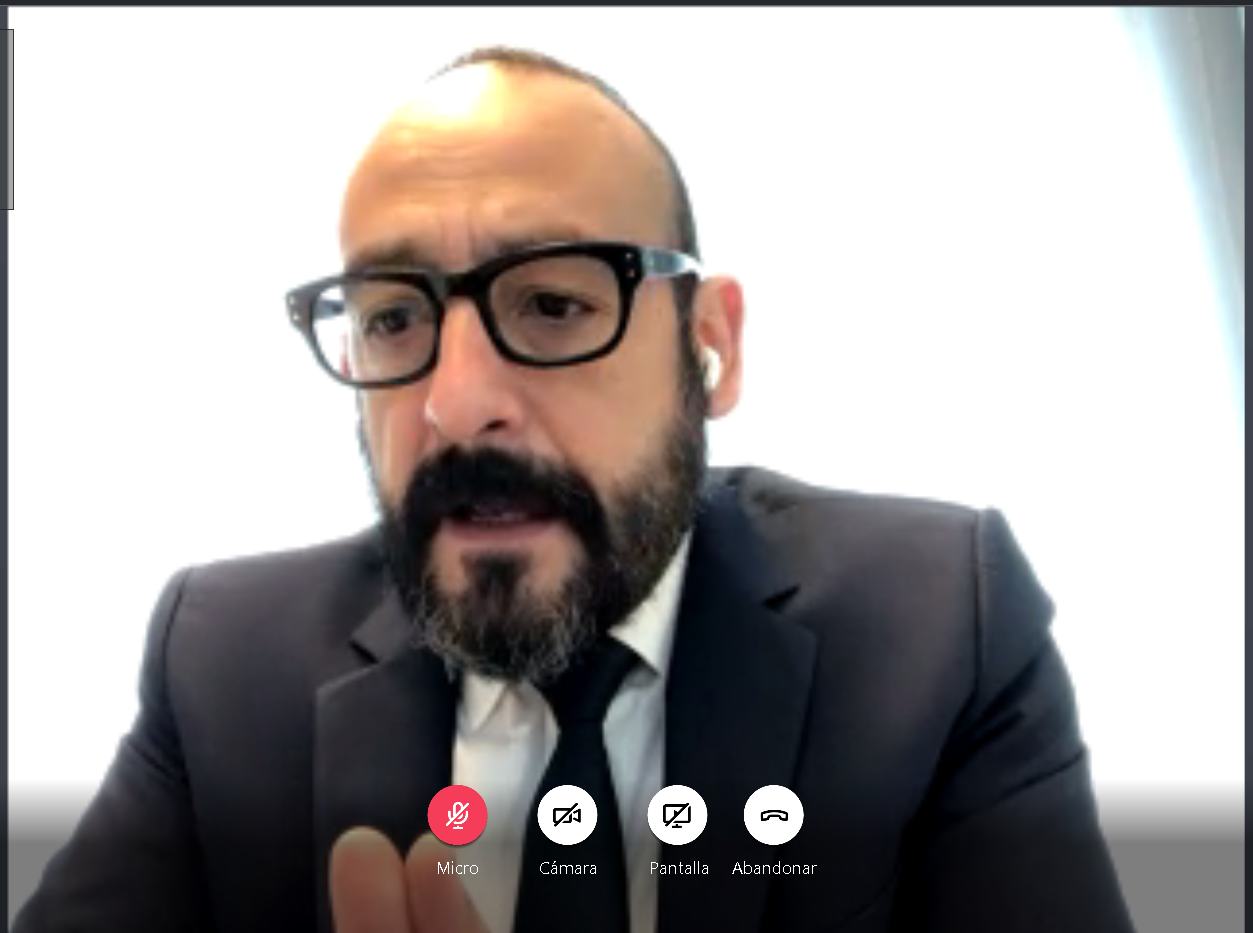
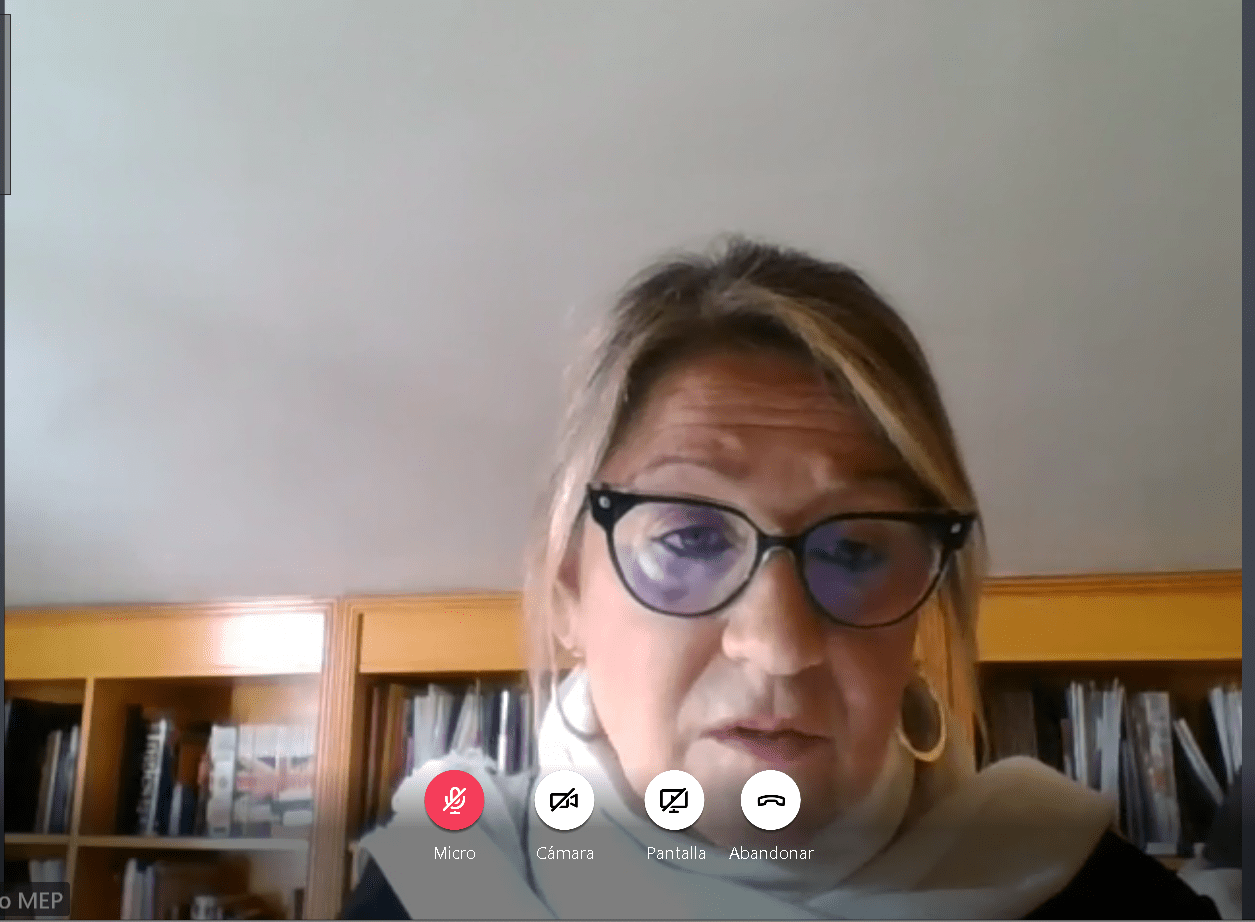
On April 8th, The Official Spanish Chamber of Commerce in Belgium and Luxembourg hosted the first event in the series “Breakfasts with the Eurocámara”, a meeting platform between Spanish companies and the European Parliament, on “The priorities of the International Trade Committee (INTA) for the new legislature” with the MEPs and members of the International Trade Committee (INTA) Jordi Cañas Pérez (Renew Europe) and Inmaculada Rodríguez-Piñero (S&D). Given the exceptional circumstances due to the spread of COVID-19 in Belgium, this breakfast debate was held online for the first time and was attended by representatives of member companies of the Chamber, business leaders, representatives of the Autonomous Communities and other organizations.

blank


Pablo López Álvarez, Vice President of the Chamber and host of the event, began by making a presentation of the speakers, thanking them for their participation as well as to all the attendants. Before moving on to the speeches, he gave a brief introduction on the current historical situation we are experiencing and which, without doubt, has radically changed the EU’s trade agenda.


blank

MEP Jordi Cañas began by making a deep historical and geopolitical reflection on the current context, which seems to announce a fall in commercial and economic terms unprecedented since the Second World War on the continent. This health crisis has highlighted the different social tensions that already existed and which generate rejection of international trade in certain social circles throughout the European Union. In addition, the INTA committee faces two major challenges. On the one side, the need to give a definitive resolution to Brexit and on the other hand, the need for negotiated solutions to transatlantic trade tensions. Under these circumstances, however, both the European project and the role of the EU as a global actor are more at stake than ever, and it is therefore worth reflecting on where we want to move forward as a union.


blankMEP Immaculada Rodríguez-Piñero first thanked the enormous effort that many Spanish companies are making to redirect their production towards the manufacture of vital medical products in these circumstances, providing gowns, masks, disinfectant gels and respirators. This current crisis undoubtedly highlights the need to reorganize the governance of globalization with the World Trade Organization (WTO) and other international organizations to make it functional again and to serve as a means for negotiating resolutions of trade disputes. A strong reaction by the European Union to the imminent economic recession is also required, one that is truly solidary, without conditions, and one that revitalizes the European industrial network to avoid excessive dependence on certain products. As far as the priorities of the INTA Committee are concerned, some topics are frozen like the final resolution of Brexit, where greater transparency on the British side is missing, or the negotiations with the US for the negotiated solution of numerous problems that significantly affect the Spanish countryside and the investments of Spanish companies in Cuba as a result of the Airbus ruling.

During the Q&A session, the participants were able to ask the speakers on numerous issues of interest. Thus, various topics were discussed, such as the process of ratification of the trade agreement with MERCOSUR, which could represent an important precedent in the relations between the EU and Latin America, the complex situation faced by the naval sector, the European standards in sanitary products or the necessary visibility of the social economy also in trade agreements.


blank

https://e-camara.com/web/wp-content/uploads/2020/04/foto-noticia-leire-2.jpg 613 1600 Cámara BeLux https://e-camara.com/web/wp-content/uploads/2025/10/Logo-Camara-de-BELUX-es-web.png Cámara BeLux2020-04-08 15:22:152020-04-08 18:07:09Breakfast-debate with MEPs Jordi Cañas and Inmaculada Rodríguez-Piñero: priorities of INTA committee
Page 5 of 512345

Latest news

  • blank
    25/11 Luncheon-debate with Martin Engell-Rossen, Head of Cabinet of Dan Jørgensen, Commissioner for Energy and Housing06/07/2026 - 12:47
  • blank
    29/09 Conference “Changes that may affect your HR management”03/07/2026 - 12:51
  • blank
    24/09 Onsite event “Climate Transition and Competitiveness: Spanish Companies in the European Industrial Agenda”01/07/2026 - 17:13
  • blank
    Cristina Dias discusses the EU’s efforts to channel savings into productive investment30/06/2026 - 15:18
  • blank
    Nicolás Pascual de la Parte calls for greater European autonomy in defence25/06/2026 - 15:17

Become a member

Accession form: Spanish

Accession form: English

ABOUT US

The Official Spanish Chamber of Commerce in Belgium and Luxembourg is a non-profit association whose main objective is the development of trade and investments between Spain, Belgium and Luxembourg. The Chamber offers to the companies a wide range of commercial and promotional services as well as professional contacts and facilitates business networking among its partners.

  • Chamber
  • Calendar
  • News
  • Contact
  • FEDECOM
  • FECECA
  • Intranet
  • PRIVATE POLICY
  • Terms and conditions of sale

CONTACT

Belgium
Avenue des Arts 1-2,
1210, Brussels, Belgium
Tel. +32 2 517 17 40
info@e-camara.com

Luxembourg
Tel. +352 661 404 399
luxemburgo@e-camara.com

With the support and recognition of

blank

blank

blank

© Cámara Oficial de Comercio de España en Bélgica y Luxemburgo
  • Español
Scroll to top Scroll to top Scroll to top
X