• Link to LinkedIn
  • Link to X
  • Chamber
    • About us
    • Board of Directors
    • Committees
  • Calendar
  • News and events
  • Contact
  • CAMACOES Network
    • FEDECOM
    • FECECA
  • Intranet
  • Español
  • Shopping Cart Shopping Cart
    0Shopping Cart
Cámara Oficial de Comercio de España en Bélgica y Luxemburgo
  • Home
  • Members
    • Fees and Membership
    • Advantages for members
    • List of members
    • Members’ interviews
  • Trade services
    • Trade Mission
    • Accompaniment and commercial fairs
    • Listings of Companies
    • Establishment of companies in BeLux
    • Legal Assistance and translations
    • Promotion
  • Activities
    • Platform “Business Circle”
    • Afterworks with members
    • Tailored events
    • “Company of the Year” Award
    • Day of Spain
    • Tastings
  • Trainings
    • Advocacy strategies in the EU
    • Introduction to the Luxembourg Financial Market
    • Specialised training courses
  • Programs
    • EmpleoBeLux
    • EmprendeBeLux
    • Erasmus for Young Entrepreneurs
    • Young Talent Mobility Programme
    • SOFTIMPROVE
    • Spain Means Innovation
    • TEX4.0
    • W4TEX
    • Completed programs and projects
  • Business centre
    • Domiciliation
    • Spaces for rent
    • Co-working space
  • Click to open the search input field Click to open the search input field Search
  • Menu Menu

COVID-19: The Concertation Committee gives green light to the opening of non-essential shops and specifies the coronavirus control measures for the Christmas season

30/11/2020

On November 27th, the Concertation Committee discussed the epidemiological situation in Belgium. Despite the slight improvement in the health situation, the country remains at Covid alert level 4. The Concertation Committee took the following decisions:

Reopening of shops under strict conditions:

Non-essential shops can reopen from 1 December 2020. However, strict hygiene conditions will apply:

  • Strict observance of basic rules, such as washing hands, keeping distance, wearing a mask;
  • Preventive measures must be visibly announced to all visitors, including staff and suppliers;
  • Hydroalcoholic hand gel must be available at the entrance; everyone entering the shop must disinfect their hands;
  • Staff must be properly trained;
  • Purchases are made individually with an adult for each shopping session. The company of children up to and including the age of 18 is limited as far as possible;
  • The visit to the shop should be as short as possible and last a maximum of 30 minutes.
  • The shop is also responsible for managing the queue outside the shop. Supervision of customers waiting outside the shop should be organised in such a way that the rules of physical distance are respected. The organisation outside the shop is done according to the guidelines of the local authorities.

The conditions also affect the maximum number of customers per square meter of accessible surface:

  • For shops, the rule of 1 customer per 10 square metres of accessible area applies
  • Shops of less than 20 m² can receive a maximum of 2 customers at a time, provided that the distance rules are respected;
  • Large shops of more than 400 m² must compulsorily provide access control;
  • Access to shopping centres, shopping streets and car parks must be organised by the competent municipal authorities, in accordance with the instructions of the Minister of the Interior, in such a way as to respect distance rules, in particular the maintenance of a distance of 1.5 metres between each person.

Museums and swimming pools may be opened in accordance with the protocol for their sector.

The Christmas period:

Also, during the Christmas period, the rules on social contacts remain applicable. In the interests of psychosocial well-being, single people can invite two close contacts at the same time, either on 24th or 25th December.

For meetings abroad, the rule of four still applies.

The curfew between 00h00 and 05h00 remains in force, as does the general ban on meetings. A general ban on the sale and release of fireworks also applies.

Reinforced travel controls:

For persons who have been abroad for more than 48 hours and will remain in Belgium for more than 48 hours, the police will carry out reinforced controls:

  • The obligation to fill in a passenger locator form;
  • Compliance with the compulsory quarantine.

All the above measures will be in force until 15th January 2021. An assessment based on medical indicators will be carried out at the beginning of January to determine whether a transition to the management phase is possible (see below) and for which sectors.

Downhill phase and management phase:

The Concertation Committee also decided to work in two phases on health management:

  • A downstream phase during which it is necessary to reduce the figures linked to pollution as quickly as possible by means of strict measures;
  • A management phase during which sector-specific protocols are in force. The sectoral protocols, which exist in various versions depending on the level of alert, are therefore reduced to a single protocol per sector, which is applied during the management phase and defines how to behave in a company that offers a sufficient level of protection against coronavirus.

To move from the downstream phase to the management phase, the incidence rate will have to be low for a sufficiently long period of time. In addition, not all sectors will be in the same phase at the same time. This will depend largely on the epidemiological risk posed by the sector.

Source: info-coronavirus

https://e-camara.com/web/wp-content/uploads/2020/07/banderaBelgica.jpg 340 888 Cámara BeLux https://e-camara.com/web/wp-content/uploads/2025/10/Logo-Camara-de-BELUX-es-web.png Cámara BeLux2020-11-30 17:44:002020-11-30 18:35:51COVID-19: The Concertation Committee gives green light to the opening of non-essential shops and specifies the coronavirus control measures for the Christmas season

Virtual breakfast-debate with MEPs José Ramón Bauzá Díaz and Isabel García Muñoz: Priorities of the Committee on Transport and Tourism (TRAN)

25/11/2020

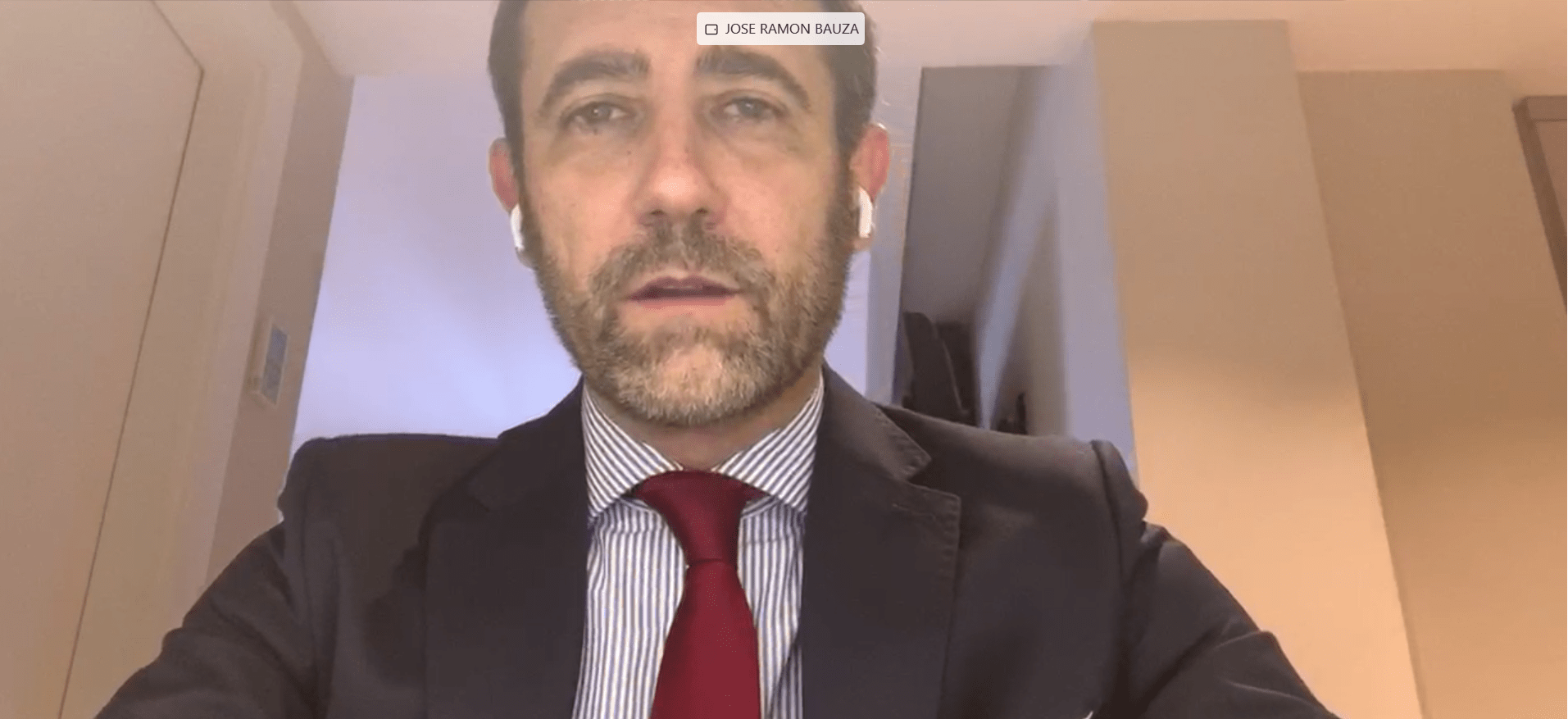
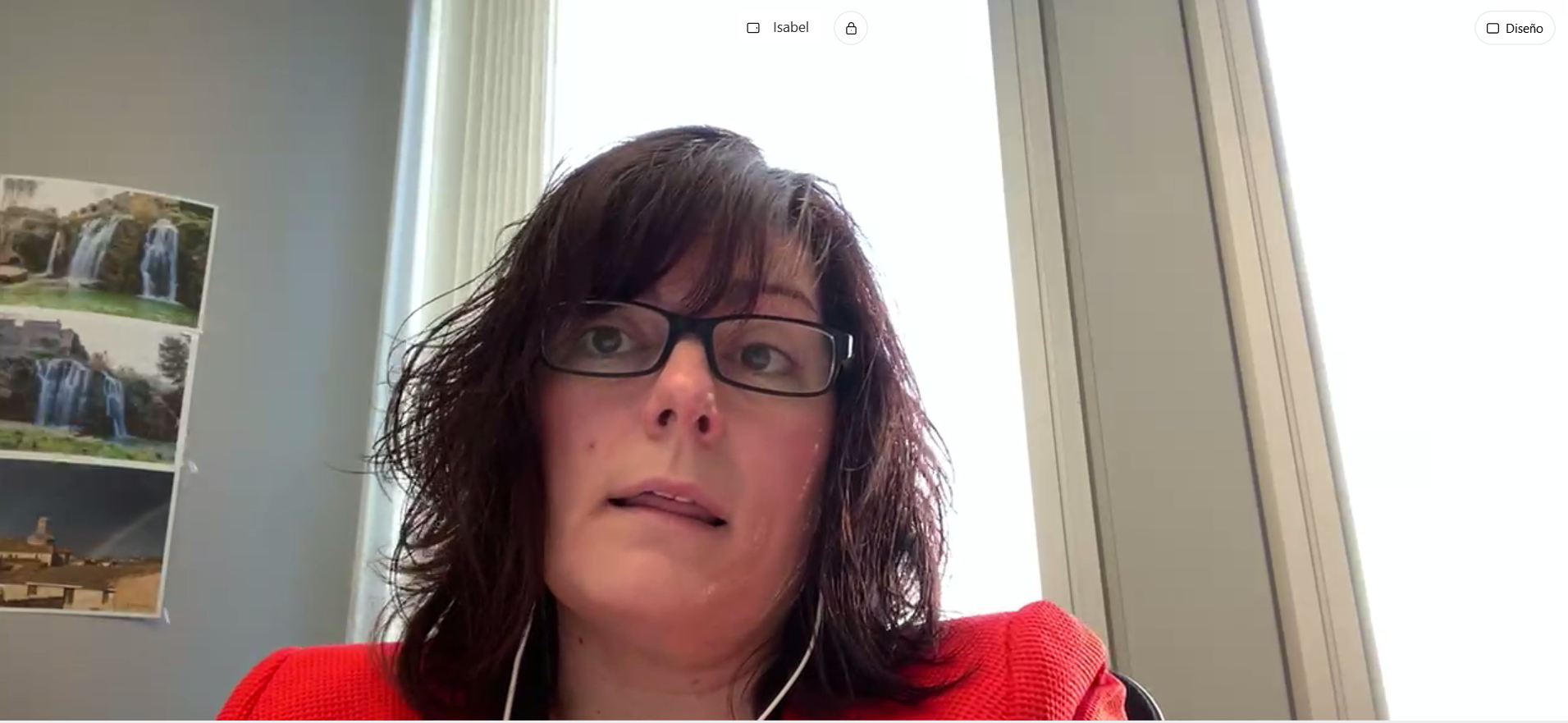
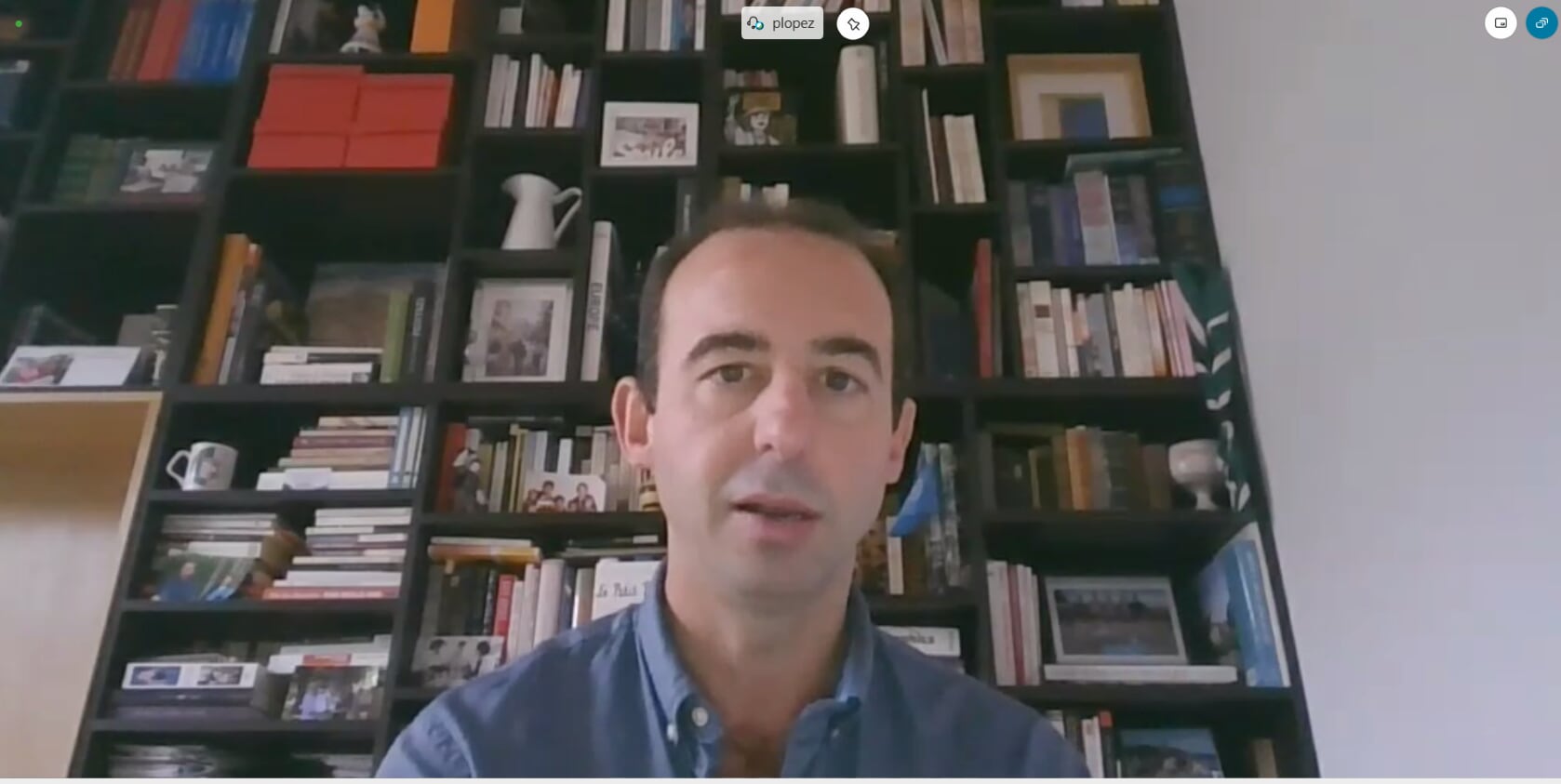
On Wednesday November 25th, the Official Spanish Chamber of Commerce in Belgium and Luxembourg organised a new conference as part of the “Breakfasts with the European Parliament“, a meeting platform between Spanish companies and the European Parliament, on “The priorities of the Committee on Transport and Tourism (TRAN) for the new legislature”. The event was attended by MEPs José Ramón Bauzá Díaz (Renew Europe) and Isabel García Muñoz (S&D).

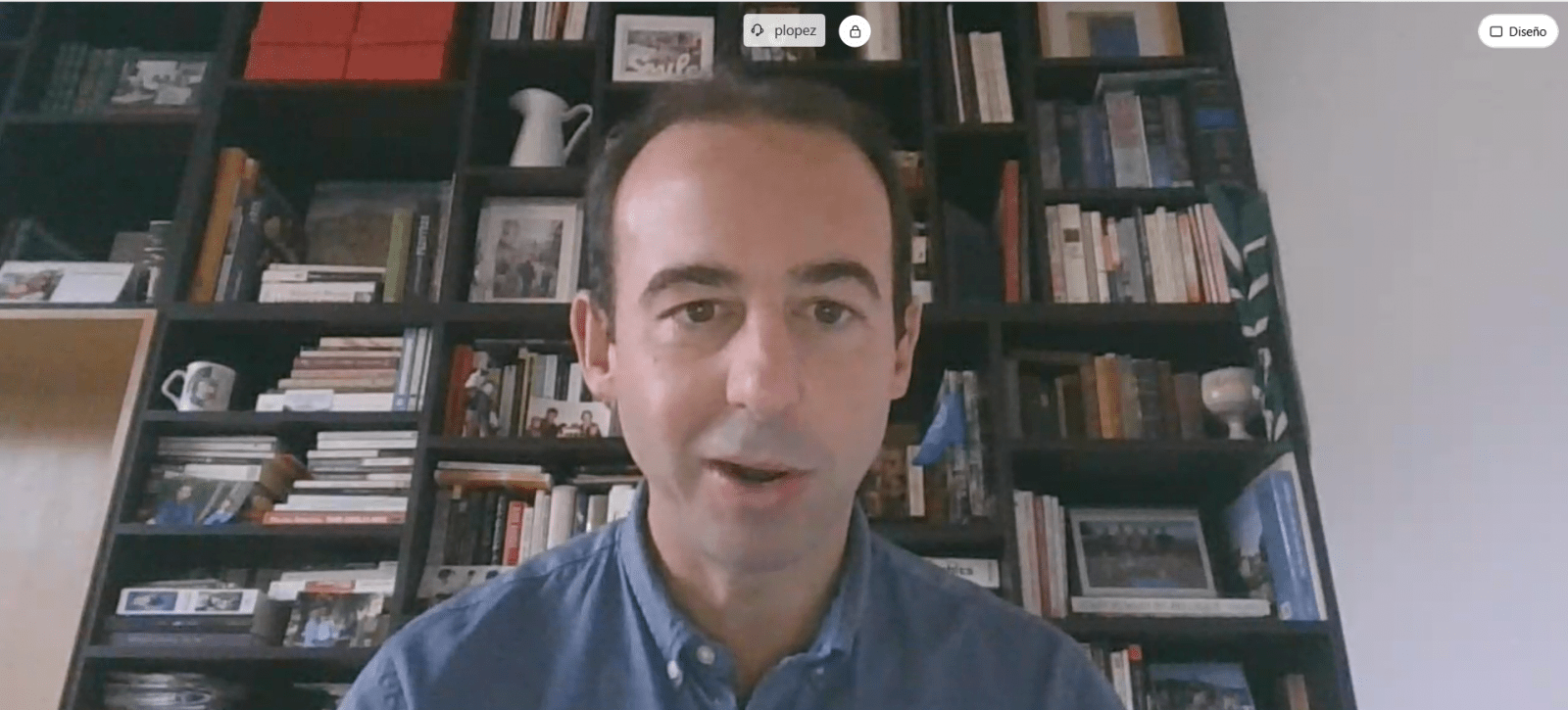
Pablo López Álvarez, Vice-President of the Chamber and moderator of the event, welcomed and thanked the speakers for their participation and made a brief presentation.

José Ramón Bauzá began his speech by highlighting the radical change in the priorities and perspectives of all the European institutions following the Covid-19, including the Committee on Transport and Tourism. If in an early stage of the legislature the main priority was the Green Deal and the commitment toblank climate neutrality by 2050, in the wake of the pandemic, the absolute priority has become the urgent recovery of the two sectors most affected: transport and tourism. The MEP also stressed the need to achieve a safe and clean transport sector by providing sufficient funding for innovative decarbonisation technologies such as liquid gas, electric motors and hydrogen. With regard to tourism, Mr. Bauzá highlighted the enormous importance of the tourism sector for Spain, as it means around 15% of the GDP as well as millions of jobs, and the close relationship between the tourism and transport sectors. Despite this importance, there is no budget allocation at European Union level for investment in tourism, although the Parliament is working to achieve this.

During her speech, Isabel García Muñoz explained the strategic importance of the transport sector as a mechanism for territorial cohesion, external competitiveness and promoting economic growth. In the current framework of transition towards climate neutrality, a fair transition is necessary, which will iblanknvolve sustainable, intelligent and inclusive mobility for everyone. Therefore, the European Commission is working on a new “white book” on transport and will promote certains means of transport such as inland navigation or railways through the single European railway area. The MEP also highlighted the need to achieve a full recovery of the tourism and transport sector through a commitment to digitalisation, retraining of workers and the interoperability and intermodality of transport.

During the question time, the participants were able to ask several questions on various topics. Thus, topics such as the Horizon Europe programmes or the single european airspace, the viability and transformation of airlines, investment funds in infrastructure or accessibility for people with disabilities in the air or rail sectors were discussed.

From the Official Spanish Chamber of Commerce in Belgium and Luxembourg we would like to thank José Ramón Bauzá and Isabel García Muñoz and all those present for their participation.

https://e-camara.com/web/wp-content/uploads/2020/11/MEPS-1.jpg 340 888 Cámara BeLux https://e-camara.com/web/wp-content/uploads/2025/10/Logo-Camara-de-BELUX-es-web.png Cámara BeLux2020-11-25 17:39:192020-11-26 12:50:49Virtual breakfast-debate with MEPs José Ramón Bauzá Díaz and Isabel García Muñoz: Priorities of the Committee on Transport and Tourism (TRAN)

The Chamber brings young talent together through the PICE mobility program

24/11/2020

The European projects consultant and member company of the Chamber, CONEXX-EU, decided to participate in the PICE mobility plan as a host company at the beginning of October. This program offers young Spanish graduates or residents in Spain the opportunity to carry out professional stays in companies in the European Union.

The company discovered this exchange program thanks to an info-day organized by the Chamber and immediately decided to participate because they found it a fantastic opportunity not only for the professional development abroad of the person they were hosting but also for the company itself, allowing them to expand their team and meet new talent. Furthermore, the process of incorporating the candidate and the different steps they had to take had easy and simple results. Therefore, they recommend the program and will undoubtedly welcome new trainees within the framework of the PICE program.blank

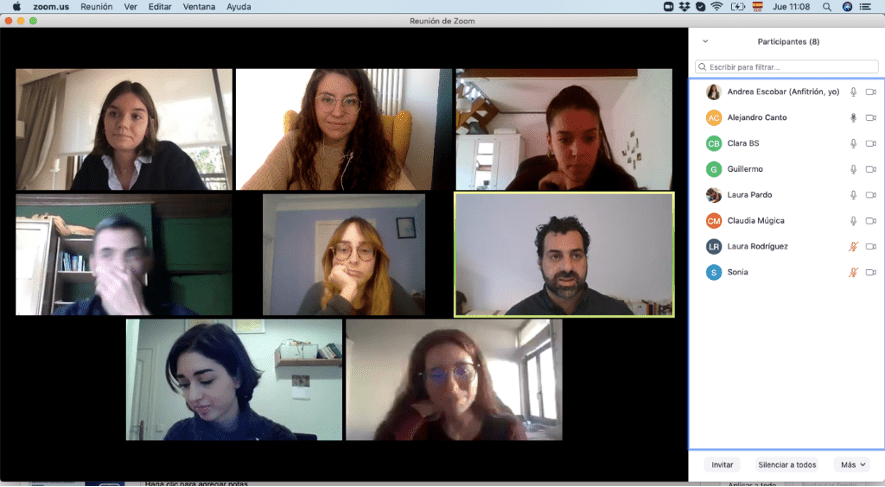
They decided to select Laura Rodríguez for her many qualities and all the value she could bring to their organization. Once the administrative procedures were ready, they drew up a specific work plan for her and organized some introductory sessions both to the organization and to the work carried out by them in order to familiarize her with the new concepts she would encounter during her stay at CONEXX-EU. For the company, Laura’s vision was very enriching, as they consider her to be a very decisive person who has provided new solutions to problems that have arisen in the implementation of the projects in progress at CONEXX-EU. Andrea Escobar, project manager of CONEXX-EU, says that “many times when we are within a project or the same work dynamic for so long, we do things automatically almost by inertia, a new vision helps us to look from another perspective, and thus we update and improve”.

Laura began to work on a face-to-face basis, but at the end of October, due to the increase in cases and the measures put in place by the health authorities, she had to move on to do her work experience remotely. Despite this, she adapted perfectly due to CONEXX-EU’s previous experience with teleworking. Despite having arrived in Belgium in the middle of the Covid-19 pandemic with the consequent challenges, Laura was able to integrate easily thanks to the attention and communication with her colleagues and the accompaniment from the Chamber. For her, this was an experience of learning and personal growth, having to move to Brussels in such a particular situation made her develop new skills, giving her at the same time the opportunity to live in another country, meeting new people and living different experiences. For them, I would encourage all interested young people to participate in the program and enjoy the opportunity.

The PICE mobility program continues to offer new vacancies in Belgium on a regular basis and at the Official Spanish Chamber of Commerce in Belgium and Luxembourg we continue to work at the disposal of companies and interested parties.

Find out more about the PICE program by clicking here.


https://e-camara.com/web/wp-content/uploads/2020/11/noticia3.jpg 340 888 Cámara BeLux https://e-camara.com/web/wp-content/uploads/2025/10/Logo-Camara-de-BELUX-es-web.png Cámara BeLux2020-11-24 09:30:362020-11-26 12:52:49The Chamber brings young talent together through the PICE mobility program

Online training on “Public advice strategies and dialogue with European institutions

23/11/2020

On November 17th and 18th, the Official Spanish Chamber of Commerce in Belgium and Luxembourg organised the second edition of the “Public advice strategies and dialogue with European institutions” course, aimed exclusively at Spanish companies and associations. Due to the health measures in force in Belgium following Covid-19, the training was held in virtual format.

About twenty blankrepresentatives of Spanish companies and sector associations participated in the training, interested in learning first-hand about the tools that will allow them to establish an effective dialogue with the various institutions of the European Union, anticipate regulatorblanky risks and opportunities and effectively influence the various phases of the legislative process.

The training was held by prestigious professionals from multinationals, business organisations, Spanish reference bodies, as well as members of the different European institutions.

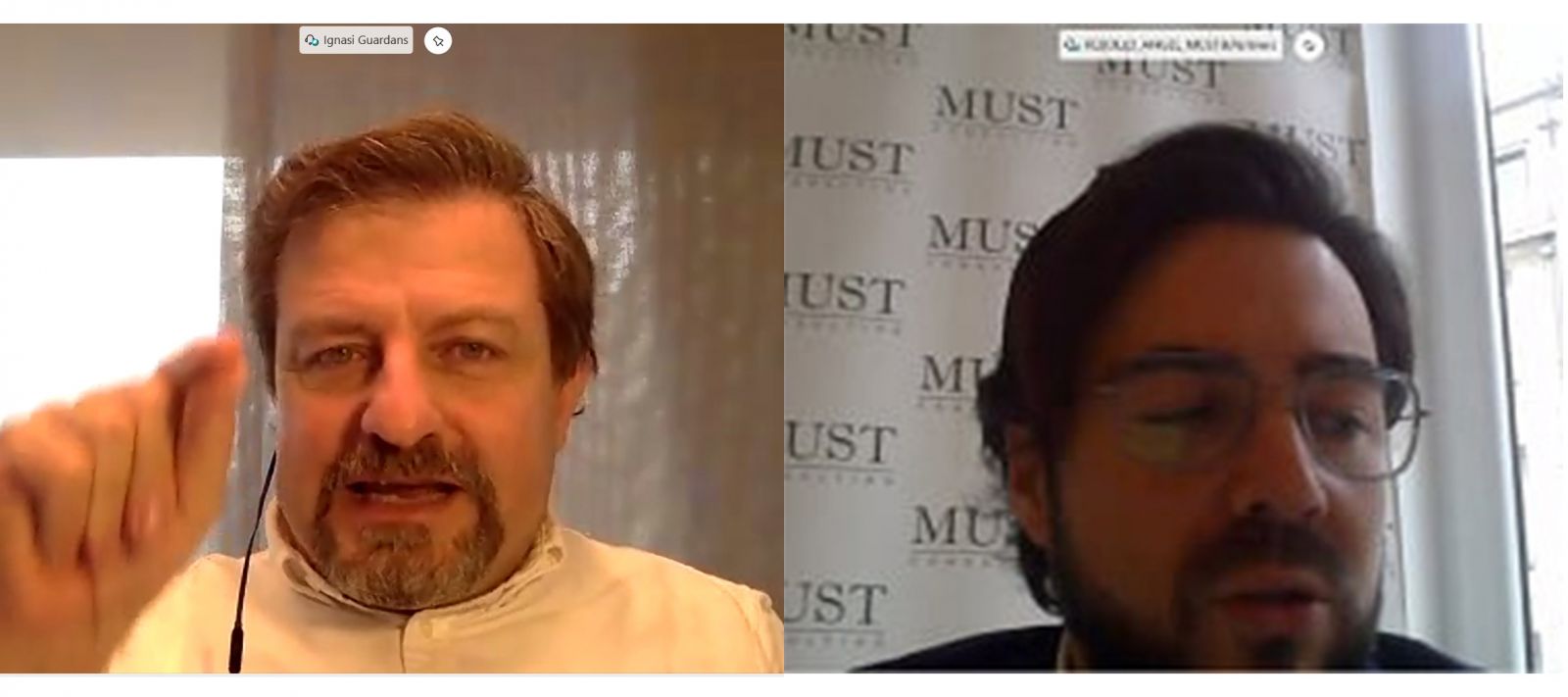
The first session began with an introduction by Pablo López Álvarez, Vice-President of the Chamber and Senior Managing Director of FTI Consulting, who presented the training programme and gave an overview of the dialogue with the European institutions. Afterwards, the European affairs consultant, Ignasi Guardans, gave a general overview about the institutional structure of the EU, its adjacent ecosystem, and the reality behind the legislative process.

blankAfter that, the European public affairs consultant Ángel Rebollo from Must & Partners intervened and presented the role of the consultancy firms around the European institutions, the impact that Covid-19 has had and the perspectives after it.

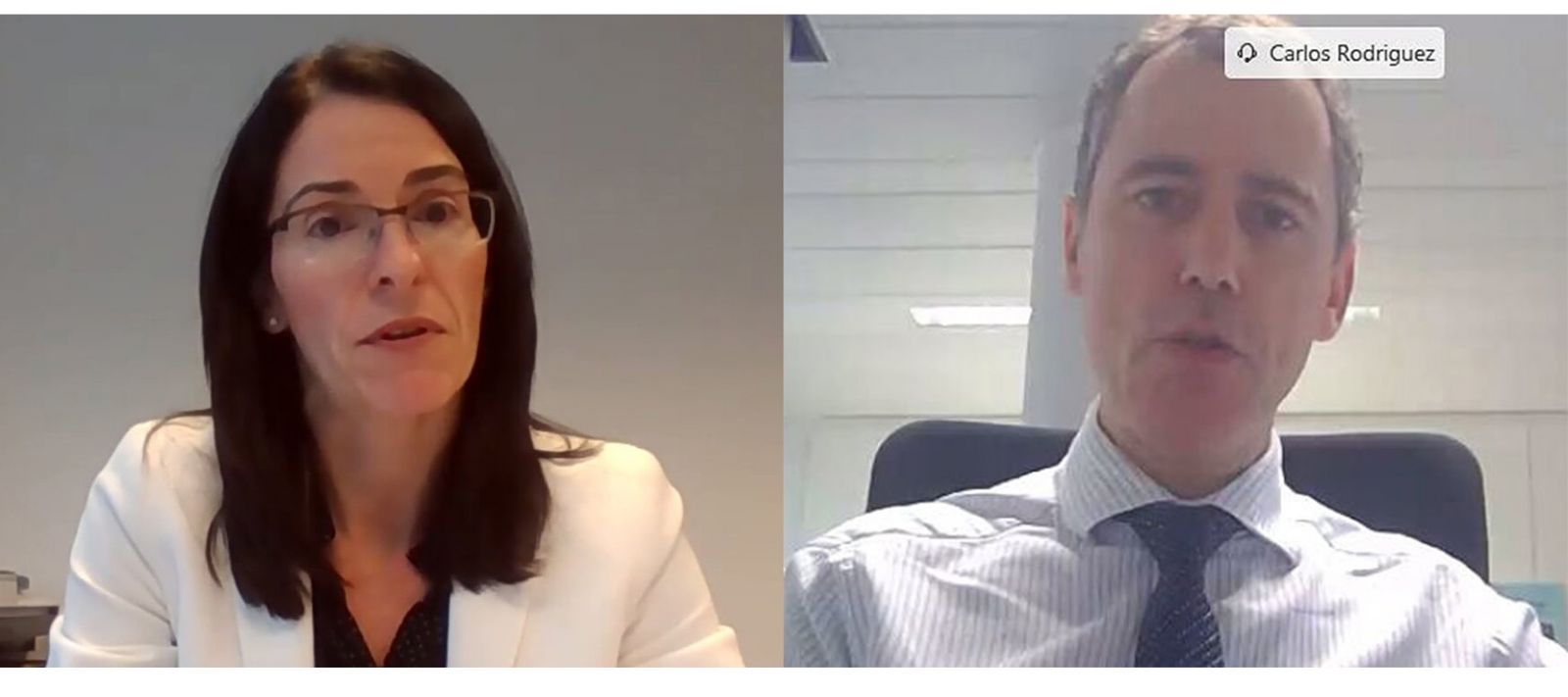
The session continued with the Permanent Delegate of the CEOE in Brussels, Patricia Cirez, who provided the perspectives of national business associations to the EU and the basic tools for monitoring and, where appropriate, contributing to the legislative process. Her presentation was followed by Carlos Rodriguez Cocina, Director of European Regulation and of the Brussels Office of Telefónica, who presented the functions linked to public affairs directors and the relationship with other actors in companies in highly regulated sectors. Besides it, Bert Dehandschutter, lawyer at Racine Advocaten, blankbriefly presented some advice on the legal process to be followed for the opening of a representative office in Brussels.

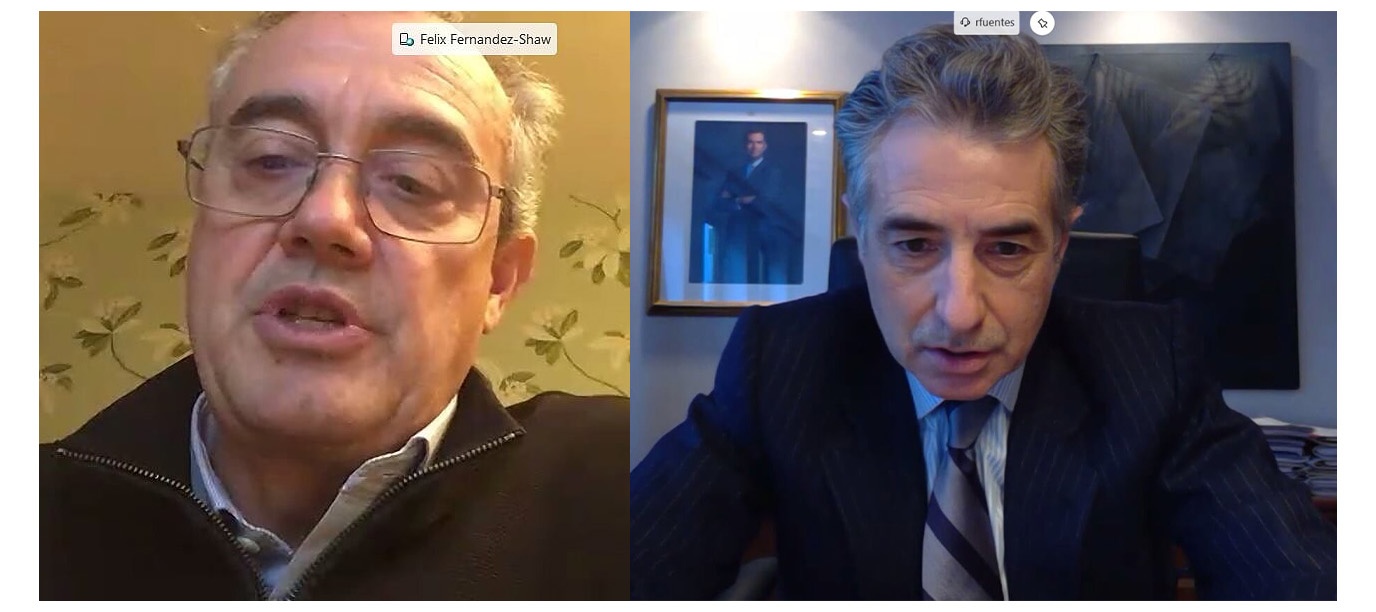
The day was completed with speeches by Diego Canga, head advisor, and Félix Fernandez-Shaw, Director of International Cooperation and Development Policy, who outlined the reality of the European Commission’s work in its field of competence and its blankrelationship with the various stakeholders.

The second session began with Raúl Fuentes Milani, Deputy Permanent Ambassador Representative of Spain to the EU, who explained the structure and work of the Council of the European Union and the European Council in the regulatory process, as well as gave some insights of the process of negotiations both between Member States and between institutions.

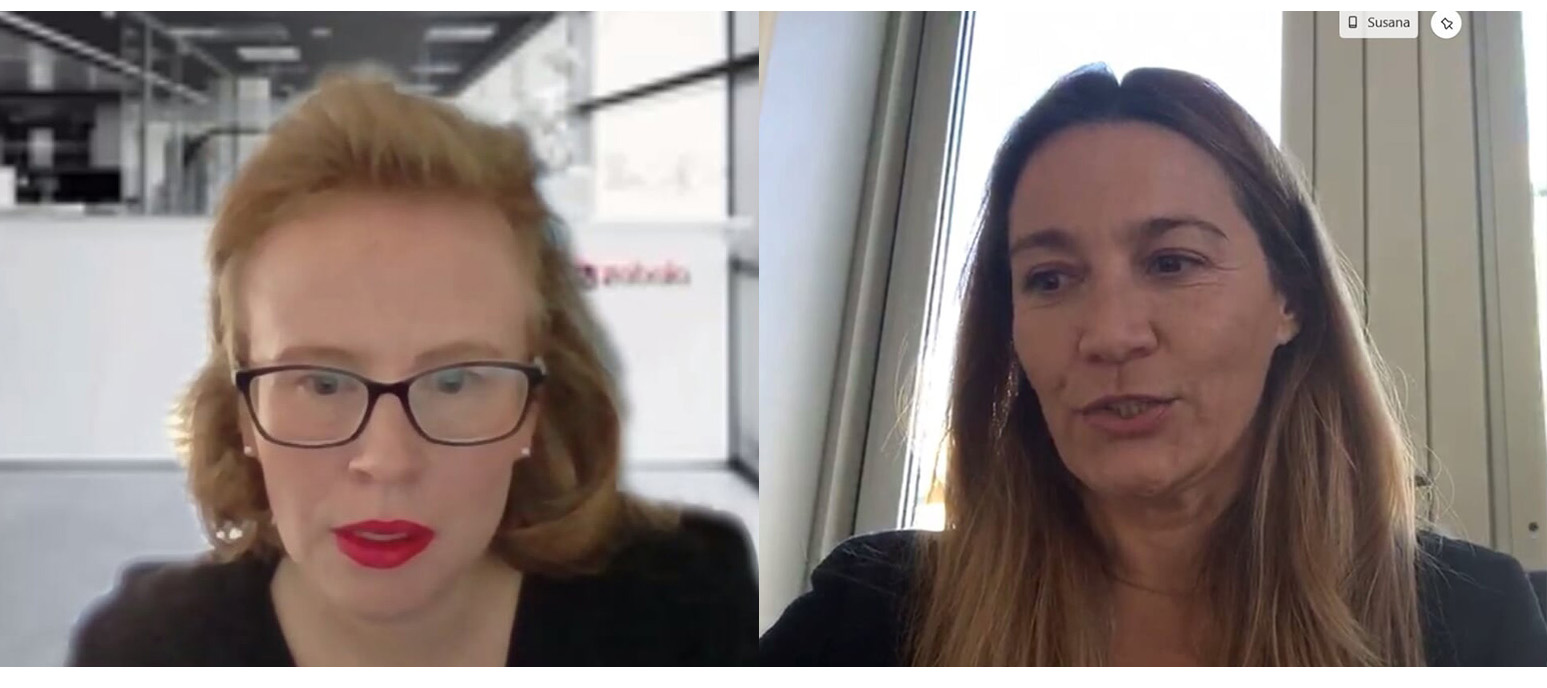
Afterwards, Ignacio Sánchez-Recarte, Secretary General of the European Wine Companies Committee (CEEV), presented the role of the sectorial business associations and the strategies used to approach the European institutions in the legislative process. Then, Ruth Estrada, Partner of Schuman Associates, blankand Marie Latour, Director of the Zabala Innovation Consulting Brussels office, presented the various funding opportunities for companies through European projects such as Horizon Europe or the future recovery and resilience funds.

blankSusana Solis, MEP for Renew Europe, presented the activity of the European Parliament and the day-to-day work of MEPs in regulatory activity. In this legislative activity, Solís highlighted the great value for parliamentarians of knowing first-hand the impressions and realities of companies and sectors in order to calibrate possible regulatory impacts.

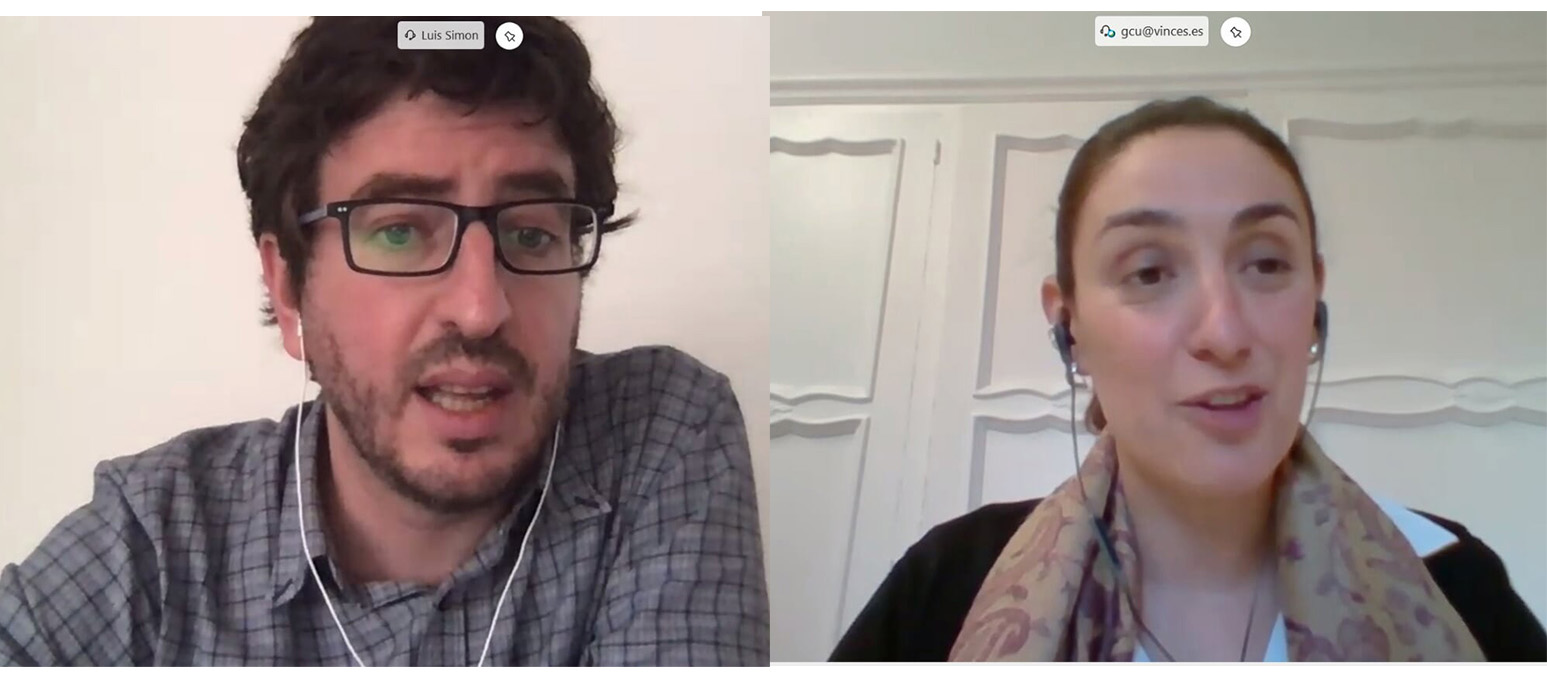
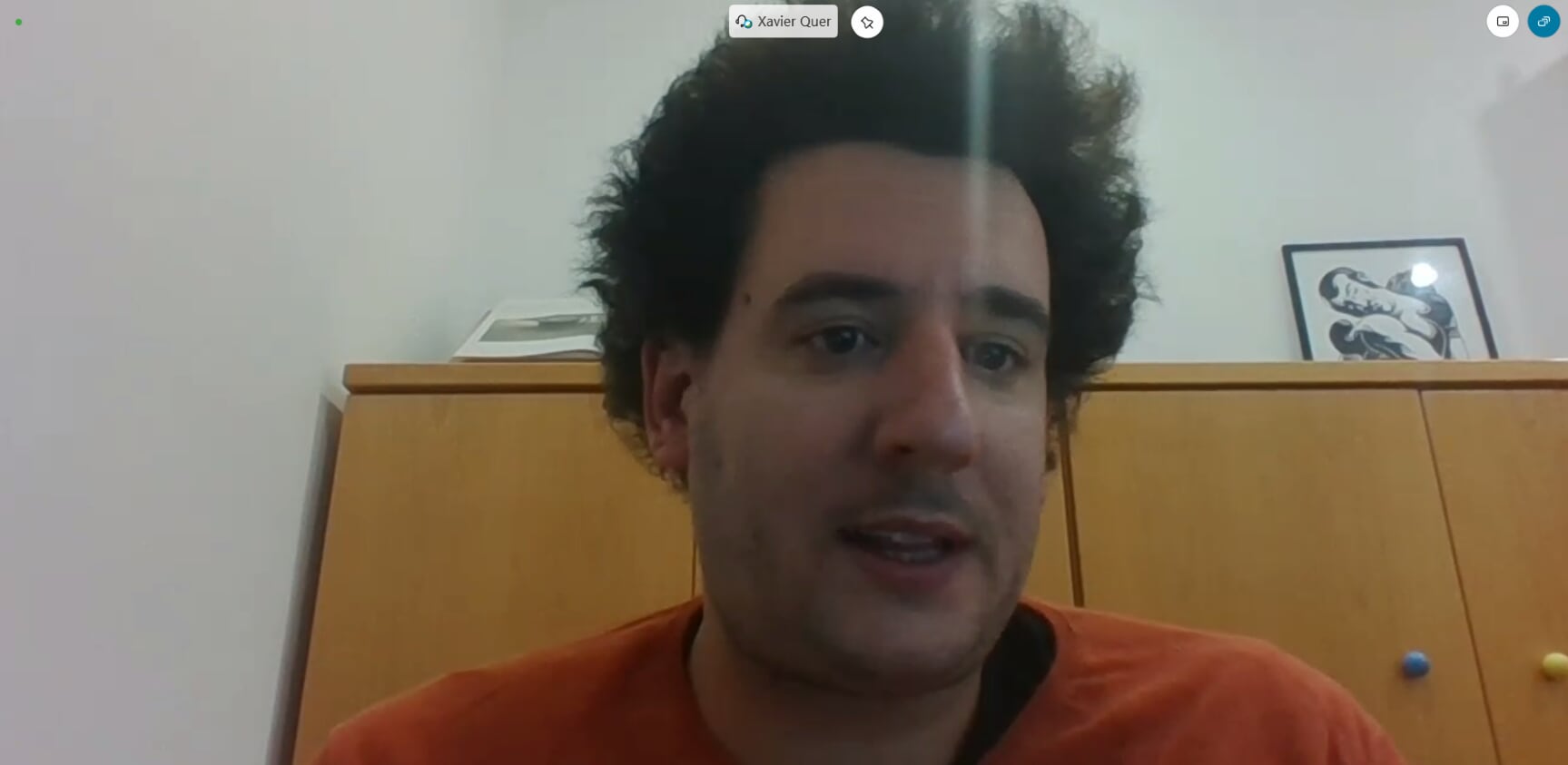
The conference ended with presentations by Giuseppina Curreli, Director of International Affairs at Vinces Consulting, who highlighted the vital importance of the EU transparency register for companies and institutions; Luis Simón, Director of the Brussels office of the Real Instituto Elcano and lead researcher, who presented the role of think tanks and the current status of Spanish influence in the EU; and Xavier Quer Pietx, Manager of everis, who detailed the key points for accessing European public contracts.blank

The training was closed by Marta González Benguria, General Secretary of the Chamber, who thanked all the speakers and attendees for their participation in this second edition of the course and highlighted the role played by the Official Spanish Chamber of Commerce in blankBelgium and Luxembourg as a support entity for Spanish companies interested in defending their interests in Europe.


https://e-camara.com/web/wp-content/uploads/2020/11/FOTO-NOTICIA.jpg 333 888 Cámara BeLux https://e-camara.com/web/wp-content/uploads/2025/10/Logo-Camara-de-BELUX-es-web.png Cámara BeLux2020-11-23 14:36:582020-11-23 15:39:30Online training on “Public advice strategies and dialogue with European institutions

Online Breakfast-Debate with Francisco Casalduero, Project Manager, Defence Development Programme, DG DEFIS: “The European Defence Fund: the European Commission’s view on the opportunity for Spanish industry”

19/11/2020

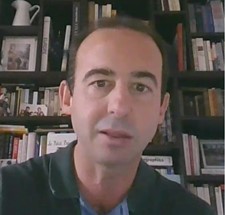
On Thursday 19th November 2020, the Official Spanish Chamber of Commerce in Belgium and Luxembourg organised a new virtual breakfast debate in the framework of its “Business Circle” platform. The breakfast focused on “The European Defence Fund: the European Commission’s View on the Opportunity blankfor Spanish Industry” and Francisco Casalduero, Project Manager, Defence Development Programme (DG DEFIS), European Commission was the guest speaker.

Pablo López Álvarez, Vicepresident of the Chamber and event moderator, welcomed and thanked the speakers and all the attendees.

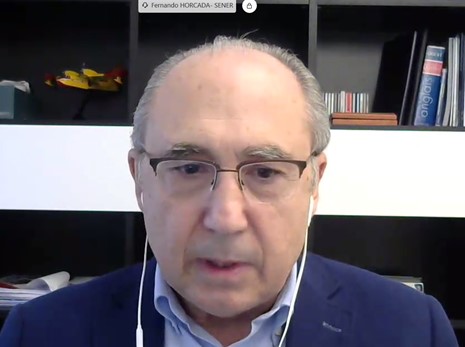
Afterwards, on behalf of the member company and sponsor of the event, SENER, Fernando Horcada, Head of the blankRepresentative Office in Brussels, Director EU and NATO Programmes, took the floor and thanked the speaker. Horcada highlighted SENER’s long history in the field of defence both at a national level and through NATO. First of all, he wanted to clarify that the future European Defence Fund (EDF) will not be part of the European recovery mechanism (Next Generation EU) but of the multiannual financial framework (MFF) 2021-2027. The EDF will mean that for the first time European Union funds can be devoted to the defence sector due to a change in the position of the Member States as a result of the need to generate greater strategic autonomy for the EU as a result of geopolitical changes such as Brexit or the position of the US administration with respect to the financing of defence in Europe.

Francisco Casalduero began by summarising the history of some pilot programmes such as the Preparatory Action on Defence Research and the current European defence industrial development programme (EDIDP). Both these pilot programmes and the future European Defence Fund (EDF) are devoted exclusively to research and development of military capabilities, never to training or the acquisition of assets by Member States. Furthermore, these European projects are distinguished from other European programmes in that they are based on exclusively military requirements and aspects. These defence sector projects are based on innovation and cooperation between entities from several Member States, which is at the same time their greatest asset and challenge. The development of the EDIDP 2019 has yielded interesting figures that invite optimism regarding the future EDF: an average of 14 entities from 7 Member States take part in the projects, including a significant number of SMEs, in which Spain plays a very important role with a success rate of approximately 60%. The speaker detailed the status of negotiations on the future European Defence Fund (EDF), which will form part of the multiannual financial framework (MFF) for 2021-2027 and is therefore pending agreement between the European Parliament and the Council. The future EDF will be based on a work programme planned for the spring and will go beyond the classic military areas (land, sea, air) and will also integrate new areas such as cyber security, space and digital clusters.

During the round of questions, the attendees were able to put forward their doubts and comments on several areas of interest. Topics such as the eligibility of technologies and civilian technology centres for programmes in this field, the orientation of the programmes towards the Commission’s political priorities (Green Deal or digitalisation), the position of NRBC technologies in the future EDF, the facilities for applying to calls for proposals or participating in consortiums, and the continuity of projects between the various defence programmes were therefore addressed.

From the Official Spanish Chamber of Commerce in Belgium and Luxembourg we would like to thank Francisco Casalduero, our partner company SENER Aerospace for sponsoring this event and all those present for their participation.

Event sponsored by:

blank

https://e-camara.com/web/wp-content/uploads/2020/11/francisco.jpg 340 888 Cámara BeLux https://e-camara.com/web/wp-content/uploads/2025/10/Logo-Camara-de-BELUX-es-web.png Cámara BeLux2020-11-19 12:19:122020-11-19 14:36:31Online Breakfast-Debate with Francisco Casalduero, Project Manager, Defence Development Programme, DG DEFIS: “The European Defence Fund: the European Commission’s view on the opportunity for Spanish industry”

Federal government votes in favor of comprehensive socio-economic support plan

09/11/2020

The coronavirus crisis is not just a health crisis. It is also a serious socio-economic crisis that is hiting hard people and businesses. The federal government cannot and does not want to remain indifferent to all these people and businesses that are on the brink. They need help today: concrete support that is significant enough to get them through this second difficult period in less than a year.

This is why the government chooses not only to extend the support measures that were in force during the confinement imposed in the spring (until the first quarter of 2021 included), but also announces a whole new series of measures. The cost of this aid could be seen as a one-time expense, but it is much more than that: it is an investment in people and businesses that before the crisis were self-sufficient and economically sound, but they are no longer because of the difficult circumstances.

With these support measures, the federal government focuses on four main objectives:

1.support people who had a job but who, due to the difficult situation caused by the coronavirus, lost it or had to close their business. We want to support them both in their income and in maintaining their social rights;

2. Save healthy companies by supporting them both in terms of their liquidity (cash flow) and their solvency;

3. Support people living in poverty or at increased risk of poverty. As they are often disproportionately affected by the coronavirus crisis;

4. Strengthen crucial sectors which have been particularly affected by the crisis: in particular health care, education and agriculture and horticulture.

  1. Main measures

Extension of existing measures

1. Possibility of individual postponement of payments in the fiscal field without fines or late interest.

2. Tax exemption of subsidies granted by towns, municipalities and federated entities.

3. Reduction of VAT (6%) on hydroalcoholic gel and masks.

4. Extension of free notarial powers of attorney avoiding going to the notary.

Suspension of checks on the residence condition (maximum 29 days abroad per year) under the income guarantee for the elderly (GRAPA).

  • Business support

Extension of existing measures

6. Extension of the increased deduction for investment of 25% until the end of 2022, allowing SMEs, one-person businesses and the liberal professions to deduct a large part of their investments from their taxable income.

7. Extension of the SME guarantee scheme and the credit insurance guarantee scheme until June 30, 2021. Simultaneously with this extension, the Ministry of Finance will extend, in consultation with the financial sector, the current moratorium for loans to companies.

8. Reopening of temporary unemployment due to force majeure to all companies. During this period, the temporarily unemployed salaried worker receives compensation equal to 70% of his gross monthly salary (capped at 2,754.76 euros). In addition, the salaried worker receives an allowance from the ONEM of 5.63 euros per day of temporary unemployment. This measure will apply until March 31, 2021, with the possibility of extension.

New measures

9. Implementation of the agreement of the social partners by which the State partially intervenes in the financing of the holiday pay for the temporarily unemployed. In the calculation of this holiday pay, the days of temporary unemployment are assimilated to days worked.

10. Broadening of the scope of the exemption from social security contributions for the third quarter of 2020 to other sectors (than the hotel and catering industry and the events sector) which have been forced to close. Suppliers in sectors that have had to shut down can also resort to this measure if they can provide evidence of a loss of sales of at least 65%. A ceiling will be applied per company with regard to the total amount of this exemption.

  • Support for self-employed workers

Extension of existing measures

11. Extension of the double “droit passerelle” right in force until December 2020 inclusive for all sectors that have had to close. For a self-employed person with no family, this amounts to 2,583.4 euros per month. For a self-employed person with a dependent family, this amounts to 3,228.2 euros per month.

12. A new “droit passerelle” will come into force from 1 January 2021, which can still be invoked in the event of a crisis. It will be based on a significant decrease in turnover. The concrete modalities will soon be developed taking into account the opinions of the General Management Committee.

13. Additional postponement for the payment of the contribution payable by companies until the end of 2020. A postponement was already planned until October 31, 2020; it is now extended until December 31, 2020.

14. Supplementary allowance for incapacity for work so that self-employed cohabitants who are sick also benefit from an allowance as high as the “droit passerelle” (this is already the case for single self-employed workers and self-employed workers with family responsibilities) . Concretely, this is a premium of more than 300 euros per month.

New measures

15. Temporary improvement of traditional “droit passerelle”, in particular through better accessibility for starters and maintenance of the constitution of pensions.

16. Payment plans for self-employed workers who have obtained a deferral of payment of social contributions, while retaining the right to reimbursement of health care costs. Until December 31, 2021.

  • Support for salaried workers

Extension of existing measures

17. Reduction in the withholding tax for temporary unemployment.

18. The Ministry of Finance and the Minister of the Economy will consult with the financial sector in order to extend the current moratorium on mortgage and consumer loans. The consultation will also concern “leasing”.

19. Temporary unemployment due to a child in quarantine. The current measure will be extended to other situations where the child must be placed in quarantine, with a certificate of control.

20. Additional allowances for incapacity for work to reach the level of temporary unemployment benefit. Concretely, this means that, if the incapacity for work allowance is less than 70% of the average gross monthly salary (capped at 2,754.76 euros), it will be accompanied by a supplement of 5.63 euros per day. up to that amount.

Flexible access to unemployment for artists. Artists who can provide proof of at least 10 artistic performances or 20 days of work during the period from March 13, 2019 to March 13, 2020, are granted access to artist unemployment.

22. Additional budget of 13.07 million euros for consumer vouchers in the healthcare sector and extension of the validity of consumer vouchers until the end of 2021.

New measures

23. Payment by the ONEM of a supplement to the end-of-year bonus to workers who have been temporarily unemployed for a long time. Workers who have been temporarily unemployed for at least 52 days in 2020 will receive a supplement to their end-of-year bonus of 10 euros per additional day of temporary unemployment (beyond 52 days). For any worker meeting the conditions, the total supplement will always amount to a minimum of 150 euros.

24. Support plan for (tele) services and teleworking of civil servants. Concretely, this involves providing coaches and training in stress resistance and the fight against burnout for managers in the context of remote management of staff, improving the effectiveness of interviews and selection tests and improvement of digital communication for civil servants.

25. A single envelope of 200 million euro is foreseen for hospital staff (salaried and self-employed workers). The competent minister will consult with the social partners to finalize these support measures for hospital staff. Consultation will also take place with the federated entities in the Interministerial Public Health Conference.

  • Support for the most vulnerable

Extension of existing measures

26. Grant of 50 euros per month for beneficiaries of the integration income, the income guarantee for the elderly (GRAPA) and the income replacement allowance (ARR).

27. Extension on the freeze of the degression of unemployment benefits until the end of 2020. As a result, the unemployed will not experience a reduction in their unemployment benefits from April 1 to December 31, 2020.

28. Continuation of winter plan for homeless people.

29. Increase in the reimbursement percentage (up to 15%) to the CPAS for the payment of integration income.

New measures

30. Entry into action of the Vulnerable Groups Task Force. This task force will develop measures, in collaboration with actors on the ground, to support the most vulnerable. A budget of 75 million euros is foreseen for this purpose.

  • Additional workers in critical sectors

Extension of existing measures

31. Increase in the quota of voluntary overtime up to 220 hours in the healthcare sector, other crucial sectors and essential services. This additional overtime will be tax exempt; no additional salary will be applied.

32. Facilitate the temporary posting of workers to another employer in the healthcare or education sector.

33. Temporarily unemployed people can work in agriculture and horticulture, healthcare and education, with 75% of their benefits maintained.

34. Allow the temporarily unemployed to conclude successive fixed-term contracts of at least 7 days with another employer, in the care and education sectors.

35. Increase in the ceiling for the accumulation of integration income with seasonal work income and student work income with a study grant.

36. Extension of COVID-19 Volunteer Compensation Fund and Authorization for Commercial Hospitals to Engage Volunteers.

37. Extension of measures relating to pensions. The aim is, among other things, that pensioners who have an activity as an employee or self-employed can combine their pension with temporary unemployment compensation or “droit passerelle”. In addition, the constitution of the pension of temporarily unemployed persons will be preserved, including the constitution of the second pillar. It is also necessary to prevent pensioners who temporarily resume an activity, for example in the health care or education sector, from losing part of their pension.

38. Doubling of the seasonal work quota also in 2021 and temporary unemployment for seasonal workers who arrive in Belgium and must be placed in quarantine.

Source: belgium.be

https://e-camara.com/web/wp-content/uploads/2020/07/banderaBelgica.jpg 340 888 Cámara BeLux https://e-camara.com/web/wp-content/uploads/2025/10/Logo-Camara-de-BELUX-es-web.png Cámara BeLux2020-11-09 16:57:572020-11-09 18:16:55Federal government votes in favor of comprehensive socio-economic support plan

Online Breakfast-Debate with Clara Martínez Alberola, Deputy head of the ‘Task Force for Relations with the United Kingdom’ (UKTF)

23/10/2020

Last Friday, October 23rd, the Official Spanish Chamber of Commerce in Belgium and Luxembourg organized a new session of its online Breakfast-Debate in the framework of its Business Circle platform. This event featured Clara Martínez Alberola, Deputy Head of the United Kingdom Task Force (UKTF) of the European Commission. The topic of the debate was “Brexit: where are we heading in the future commercial relationship between the EU and the United Kingdom?“. 

Pablo López Álvarez, vice-president of the Chamber and event moderator, welcomed and thanked the speaker and all the attendees for their participation.blank

Then, on behalf of the partner and sponsor of the event, Van Bael & Bellis, Pablo Muñiz, partner of the Brussels office, took the floor and thanked the guest speaker for her participation in the Breakfast-Debate despite her busy schedule. Mr. Muñiz highlighted the growing importance regarding many customs law issues, that were thought to be forgotten, because of Brexit but will surely affect the future relationship between the United Kingdom and the European Union.

Clara Martínez Alberola began by thanking the invitation as an ideal opportunity to continue learning first-hand about the concerns of Member States and the various economic sectors in the Brexit negotiations. The speaker admitted that the negotiating teams are at a critical stage to achieve an agreement given that the transition period after the formal withdrawal of the United Kingdom from the European Union ends on 31 December 2020, with the aggravation of the Covid-19 crisis as a background. Despite the tight deadlines, the EU negotiating team is working tirelessly to reach a fair agreement for both parties based in coherent rules and effective mechanisms for dispute resolution. Martínez outlined the various issues that present more difficulties to reach an agreement as well as the issues where there is greater consensus such as British participation in research programs funded by the EU or police cooperation. Finally, the deputy head of the UKTF stressed that the no-deal scenario would not imply the impossibility of reaching such an agreement in the future in different areas, although it is certainly a much worse scenario than reaching a full agreement on time.

During the question time, the attendees were able to present their doubts and comments on many issues of interest such as the controversy surrounding the internal market protocol for Northern Ireland, the rules of origin in the post-Brexit era, the uncertainty regarding standardization and public procurement, financial supervision or the complexity of customs controls in the future relationship between the United Kingdom and the EU.

From the Official Chamber of Commerce of Spain in Belgium and Luxembourg we would like to thank Clara Martínez Alberola for her conference, our partner company Van Bael & Bellis for sponsoring this Breakfast-Debate and all those present for their attendance.

Event sponsored by:

blank

https://e-camara.com/web/wp-content/uploads/2020/10/claraMartinez-1.jpg 340 888 Cámara BeLux https://e-camara.com/web/wp-content/uploads/2025/10/Logo-Camara-de-BELUX-es-web.png Cámara BeLux2020-10-23 14:00:132020-10-23 16:04:33Online Breakfast-Debate with Clara Martínez Alberola, Deputy head of the ‘Task Force for Relations with the United Kingdom’ (UKTF)

Covid-19 Level 4 Alert: Stricter Rules from Monday 19 October

16/10/2020

Following the worrying epidemiological situation, new, stricter measures will come into force from Monday 19 October. As of today, this situation brings the whole country to alert level 4 of the Covid-19 barometer (very high alert level).

The pressure on hospitals and on the continuation of health care not linked to Covid-19 is increasing. Some hospitals are facing numerous absences among their staff. Primary care, especially general medicine, also faces an increasing pressure.

The number of patients with Covid-19 in intensive care is now 2.5 times higher than at the end of March. To prevent hospitals from being further compromised, schools from closing, the economy from grinding to a halt and too many people from being isolated because of widespread containment, the Interinstitutional Concertation Committee has decided to take a number of measures:

  1. Close contacts are limited to a maximum of one person.
  2. Private meetings are limited to four persons for two weeks and always the same persons.
  3. Public meetings are limited to a maximum of four people.
  4. Teleworking becomes the rule, for the activities that allow it and with respect to the continuity of the management of companies and organisations, services and activities.
  5. Small markets and fairs remain open, but the consumption of drinks and food is prohibited. Markets and Christmas markets are prohibited.
  6. Cafes and restaurants are closed. This measure is valid for a period of four weeks and will be reviewed after two weeks. Take-away food can be collected from the establishment until 22h. Receptions and banquets organised by a professional restaurant or catering service are prohibited, except in hotels for guests staying there and funerary receptions (maximum forty people).
  7. Night shops must close at 22h. The sale of alcohol is prohibited after 20h.
  8. It is forbidden to be on the public highway between 24h and 5h, except for essential and non-delayable journeys, such as urgent medical reasons, business trips and travel between home and work.
  9. Indoor activities remain subject to existing protocols until their evaluation next Friday 23 October. The sale of food and drink is prohibited.
  10. Sports competitions: the space reserved for spectators will be halved from 400 to 200 (professionals) or made up solely of members of the same family unit (amateurs). Cafeterias and bars are closed.

The federal government and the governments of the federated entities will do their utmost to provide the best possible support to all those affected financially. Even so that the federal government will double the support it offers as a right of transition for self-employed people who are forced to close down. Existing support measures will be extended. An exemption from the ONSS (National Social Security Office) will also be introduced.

The measures enter into force today, Monday 19 October, and will remain in force for one month before being evaluated.

Source: belgium.be

https://e-camara.com/web/wp-content/uploads/2020/07/banderaBelgica.jpg 340 888 Cámara BeLux https://e-camara.com/web/wp-content/uploads/2025/10/Logo-Camara-de-BELUX-es-web.png Cámara BeLux2020-10-16 16:15:482020-10-19 11:46:36Covid-19 Level 4 Alert: Stricter Rules from Monday 19 October

Webinar on “Spain as remote working destination”

13/10/2020

Last October 13th, the Official Spanish Chamber of Commerce in Belgium and Luxembourg organized a Webinar on “Spain as a destination for teleworking“, in collaboration with Business Cluster, a group of companies formed by Euro Economics, AgioGlobal, MADSkills, Quintessence and with the participation of EPS, IFAS and Modern Nomads. The Webinar was held by Wim Zwaenepoel, lecturer at the IE Business School and consultant at Netexpat, and by Jeroen Oskam, founding partner of Euro Economics.

To begin with, during this Webinar the lecturers presented some general data on the impact of the Covid-19 on Spanish society, and specifically, the impact that the health crisis has had on the economic and labour fields. The trends of telework in Spain before the Covid-19 were explained, as was its evolution until today, in addition to the forecasts that analysts estimate about this modality of work in the future. Additionally, the economic and labour policies adopted by the Spanish authorities to try to mitigate the negative effects of the Covid-19 were reviewed.

Moreover, the speakers focused on analysing, in second place, the so-called “STEM” sector (“Science, Technology, Engineering and Mathematics”), highlighting the growing lack of technical workers in the Benelux countries. On the other end is Spain, where there is a large pool of STEM sector professionals with excellent technical training. In the Webinar, a vision of the possibilities offered by the different modalities of teleworking in Spain was presented as a way to overcome the lack of specialized STEM personnel in the Benelux.

Thirdly, the emerging trend called “new nomads“ was introduced, referring to professionals from the Benelux who are moving their workplace to Spain thanks to the advances in the implementation of teleworking. The speakers highlighted the many benefits of this new way of working and its advantages, such as a lower tax burden or a lower cost of living. An example of this trend is the Canary Islands, where more and more foreigners are choosing to work remotely while having settled in the archipelago. The speakers emphasized the attraction of Spain as a territory from which to work remotely, due to its infrastructure, connectivity, and availability of resources, among others.

Finally, our speakers addressed the legal and tax implications of this practice of teleworking from Spain for workers in the Benelux countries, pointing out several possible alternatives, both for employees and for freelance.

After the presentation, some time was spared for a round of questions, in which the attendees raised several questions to the speakers. These questions dealt with the tax implications for those Benelux workers whose stays in Spain are less than the 183 days established by tax regulations, or everyday issues to take into account when choosing to work remotely from Spain, such as having a private health insurance for greater security.

From the Official Chamber of Commerce of Spain in Belgium and Luxembourg, we would like to thank Business Cluster for its presentation, as well as all the attendees for their presence.

In collaboration with:

blank

https://e-camara.com/web/wp-content/uploads/2020/09/Captura-de-pantalla-2020-10-13-104517.jpg 333 888 Cámara BeLux https://e-camara.com/web/wp-content/uploads/2025/10/Logo-Camara-de-BELUX-es-web.png Cámara BeLux2020-10-13 17:11:122020-10-13 17:11:52Webinar on “Spain as remote working destination”

Meeting of the Forums Committee

30/09/2020

On September 25th the third meeting of the year of the Forums Committee, a working group whose mission is to propose, organize and monitor the events organized by the Chamber, was organized telematically.

During the meeting, which was chaired by Pablo López Álvarez (FTI Consulting), a balance of the latest events organized by the “business circle” platform was made as well as new initiatives were proposed to be developed in the coming months, both locally and with the institutions of the European Union. Likewise, the activities carried out and the events planned within the framework of the Spanish Financial Forum and Competencia España Committees were discussed. Finally, the call for the 2020 Company of the Year Award, which is currently open, was discussed.

About the Chamber’s Committees

The Committees are made up by some of the members, as well as by the person in charge of the area in question in the Chamber.

These working groups have numerous functions: in-depth studies of proposals, problems, projects, and activities. Through them, the members influence the day-to-day life of the Chamber in order to better adapt the Chamber’s activities to the needs of the members.

At any time, a member can request the president of a Commission to join it or request the secretary general to create a new group.

https://e-camara.com/web/wp-content/uploads/2020/09/Foro-2.jpg 333 888 Cámara BeLux https://e-camara.com/web/wp-content/uploads/2025/10/Logo-Camara-de-BELUX-es-web.png Cámara BeLux2020-09-30 11:51:432020-09-30 11:58:40Meeting of the Forums Committee
Page 2 of 512345

Latest news

  • blank
    The Chamber has called its 2026 Ordinary General Assembly for 9th June11/05/2026 - 14:00
  • blank
    Online training on “Advocacy in the European Union: how to kickstart your campaign“ held08/05/2026 - 14:01
  • blank
    Nicolas Lyrakides points at a well-connected European Union as a transport priority for the Cypriot Presidency of the EU08/05/2026 - 10:00
  • blank
    22/09 Onsite Breakfast-Conference in Luxembourg on “Managing tax risk through insurance”06/05/2026 - 16:54
  • blank
    Carmen Romero highlights in the Chamber NATO’s political priorities06/05/2026 - 14:38

Become a member

Accession form: Spanish

Accession form: English

ABOUT US

The Official Spanish Chamber of Commerce in Belgium and Luxembourg is a non-profit association whose main objective is the development of trade and investments between Spain, Belgium and Luxembourg. The Chamber offers to the companies a wide range of commercial and promotional services as well as professional contacts and facilitates business networking among its partners.

  • Chamber
  • Calendar
  • News
  • Contact
  • FEDECOM
  • FECECA
  • Intranet
  • PRIVATE POLICY
  • Terms and conditions of sale

CONTACT

Belgium
Avenue des Arts 1-2,
1210, Brussels, Belgium
Tel. +32 2 517 17 40
info@e-camara.com

Luxembourg
Tel. +352 661 404 399
luxemburgo@e-camara.com

With the support and recognition of

blank

blank

blank

© Cámara Oficial de Comercio de España en Bélgica y Luxemburgo
  • Español
Scroll to top Scroll to top Scroll to top
X