Measures taken by the National Security Council of 3 June 2020

On Wednesday, June 3rd, the National Security Council, extended to include the Ministers-President, approved the transition to Phase 3 of the phase-out plan starting on June 8th. As the daily reporting from the health authorities shows, the health indicators are encouraging. The experts have therefore given the green light to start this new phase.

This implies a radical change in approach compared to the rules that have been in force so far. After all, from now on, freedom is the rule and what is not allowed is the exception.

Any activities that are still banned are not allowed because they either involve too close contact between people or mass gatherings, or because no protocols – i.e. specific rules for a sector – have been defined yet.

This new approach must be understood at two levels. Firstly, the individual behaviour (How should I behave in light of my renewed freedom?) and secondly, the regulatory framework applicable to organised activities (Which protocols should professionals apply when organising activities?).


  1. As far as individual behaviour is concerned, there are six golden rules:
  • Hygiene measures remain essential.
  • Outdoor activities should be favoured wherever possible. Where necessary, rooms should be adequately ventilated.
  • Additional precautions should be taken for people belonging to a high-risk group. A charter is being developed for older people who do volunteer work to provide them with more clarity about the activities they can engage in safely.
  • The rules regarding safety distance continue to apply, except for people within the same family, for children under the age of 12 and for people with whom there is closer contact, i.e. the extended bubble. Those who cannot respect the safety distance have to wear a mouth mask.
  • It is possible to have closer contact with 10 different people every week, in addition to the family members (= extended personal bubble). This is an individual right. These 10 people can change from one week to the next.
  • Group meetings are limited to a maximum of 10 people, including children. This applies to all gatherings, regardless of whether they take place at home or outdoors (e.g. in the park or at a restaurant).
  • Organised sports and now also cultural activities supervised by a person in charge are limited to 20 people in June and 50 people in July, provided that the safety distance is maintained.


  1. About the regulatory framework:
  • All organised activities are resumed, unless the restart is planned in another phase, with protocols that protect both users and staff. These protocols are determined by the competent Minister, after consulting the GEES, in consultation with the sector and, in the case of North-South issues, with an inter-federal approach.
  • The protocols will be evaluated by July 1st. If there is no protocol for a subsector, a document is placed online with the general rules that must apply as a minimum.
  • Working from home is recommended where possible.
  • The hospitality, sports and culture industries are the main industries where important decisions have been taken.


Hospitality industry

The industry is allowed to reopen partially. Gaming halls (e.g. casinos), banqueting and reception halls will not be allowed to reopen until July 1st. As far as banqueting and reception halls are concerned, they will be allowed to operate with a maximum of 50 people present, subject to the same conditions as catering. Nightclubs are not allowed to open before the end of August, as no safety distance can be ensured.

In addition to these exceptions, all other hospitality establishments such as cafes, bars and restaurants will reopen according to a very precise protocol.

The main features of this protocol include:

  • A distance of 1.50 metres between the tables.
  • A maximum of 10 persons per table.
  • Each customer must remain seated at their own table.
  • Waiters have to wear masks.
  • All hospitality establishments are allowed to remain open until one o’clock in the morning, just like the night shops.


Cultural industry

From June 8th, cultural activities may resume without an audience present.

Performances with an audience – including cinemas – can be resumed from July 1th, but only subject to specific rules regarding crowd management, such as respecting the safety distance in the audience and a maximum of 200 attendees.

Activities should be organised in such a way as to avoid gatherings of too many people, e.g. outside the venue.

When people take part in cultural and leisure activities, wearing a mask is recommended at all times.

Sporting and now also cultural activities that are organized and supervised by a person in charge are limited to 20 people in June and 50 people in July, subject to safety distances.

In these two industries – but not only those two – the very gradual reopening and associated requirements will make it more difficult to operate at a profit. At the federal and regional level, in addition to extending or adapting the generic measures to support the economy, we are currently working on a series of specific measures to help certain industries.


Sports industry

From June 8th, non-contact sports activities can be resumed, both indoor and outdoor, amateur or professional, league and training. Gyms and fitness rooms may also be reopened, subject to protocol.

However:

  • Contact sports (e.g. judo, boxing, football, etc.) should always be limited to “contactless” training.
  • As far as sports facilities are concerned, the protocols will also have to be followed. Changing rooms and showers will still not be accessible.
  • Swimming pools, saunas and wellness centres have to remain closed at this stage.

As far as sports are concerned, everything will be allowed again from July 1st, provided that the protocols are respected.

In both the cultural and sports industries, from July 1st, a seated audience of up to 200 people – regardless of the size of the venue – will be allowed, subject to safety distances and always in strict compliance with protocols.


Religious services

Religious worship or gatherings may be resumed on June 8th, subject to, inter alia, the following rules:

  • Safety distances must be observed with a maximum of 100 persons.
  • As of July, this number will be increased to 200, just like in the cultural and sports industries.
  • Rituals with physical contact are still not allowed.


Travel

From June 8th, it will be possible to travel inside of Belgium with trips lasting one or more days.

From June 15th, Belgium will open its borders for travel to and from the European Union, including the United Kingdom and the four other Schengen countries (Switzerland, Liechtenstein, Iceland and Norway). However, it is up to each country to decide whether to open its borders. To know the situation in the country of destination, it is therefore advisable to consult the website of the FPS Foreign Affairs. The conditions for travel outside of Europe have yet to be defined in light of the evolution of discussions at European level.


Leisure and free time

Leisure and free time activities are permitted from June 8th, except for conferences, amusement parks and indoor playgrounds, which may only be reopened from July 1st.


Get-togethers

Cultural and leisure activities have to be organised in such a way as to avoid large gatherings. Wearing a mask is recommended at all times.

Gatherings (e.g. village fairs, village festivals, etc.) are prohibited until August 1st and may then be resumed gradually. Large-scale mass events, on the other hand, will remain prohibited until August 31st, as previously announced.

At the beginning of summer, an online evaluation tool will be made available for organisers who want to know whether they can organise an event and subject to what conditions.


Phases 4 and 5 of our phase-out strategy will take place in July and August, if the epidemiological situation permits.


Source: Belgium.be
Online Breakfast-Debate with Cristina Rueda-Catry, Member of Cabinet of Phil Hogan, EU Commissioner for Trade

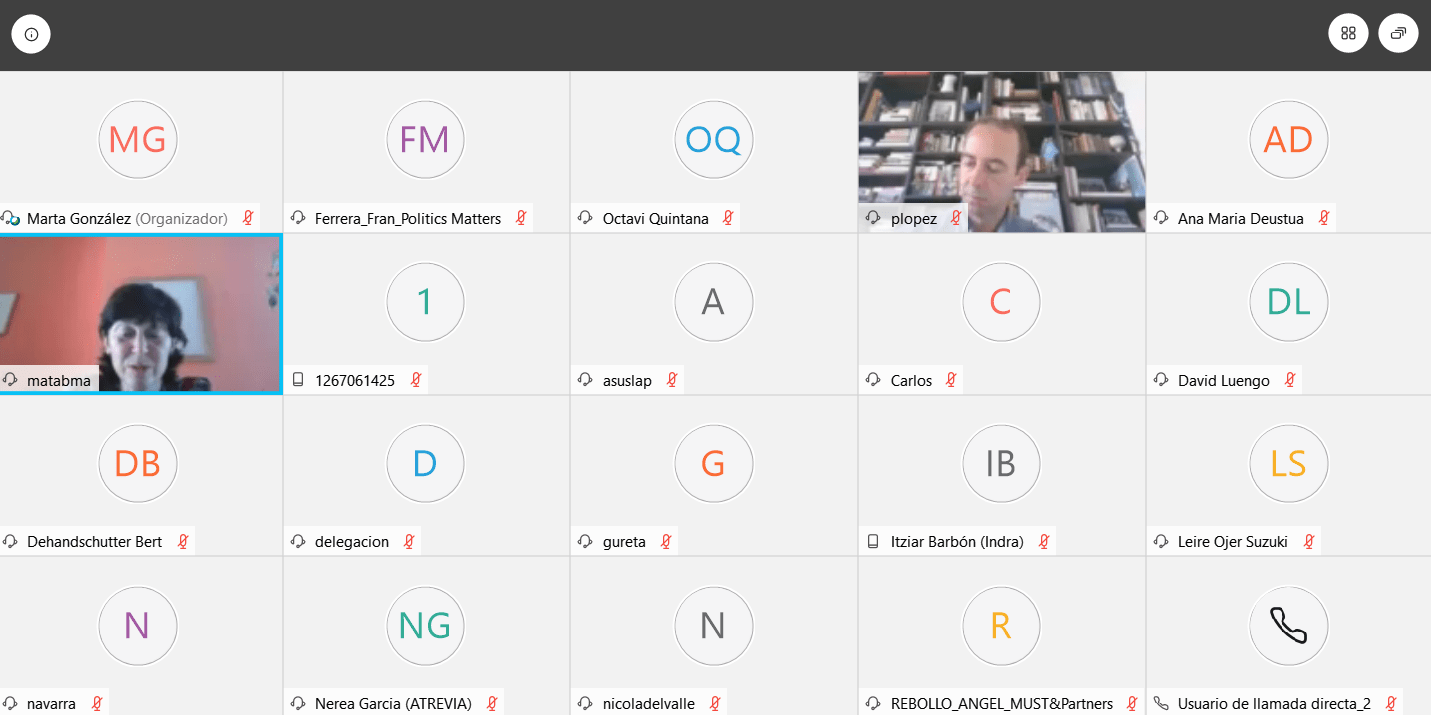
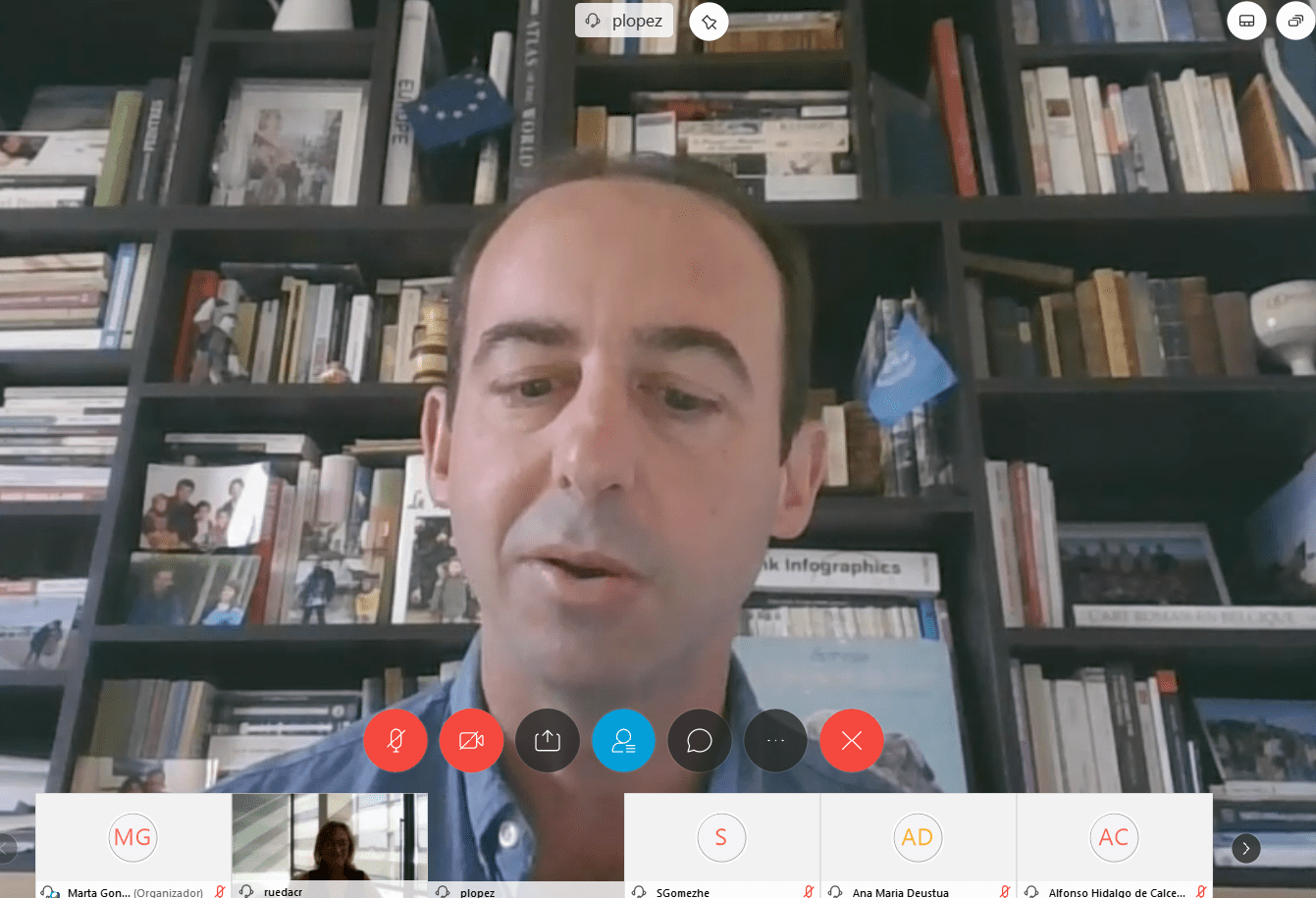
On June 3rd, the Official Spanish Chamber of Commerce in Belgium and Luxembourg hosted a new session of its Breakfast Debates, a platform for meetings between Spanish companies and European Institutions. The event was addressed by Cristina Rueda-Catry, Member of Cabinet of Phil Hogan, EU Commissioner for Trade and covered “Implications of Covid for the European trade policy and the structure of supply chains”. Given the exceptional circumstances of the spread of COVID-19 in Belgium, this breakfast debate was held online and was attended by representatives of member companies of the Chamber, managers of companies, multinationals and Spanish Regional Delegations.

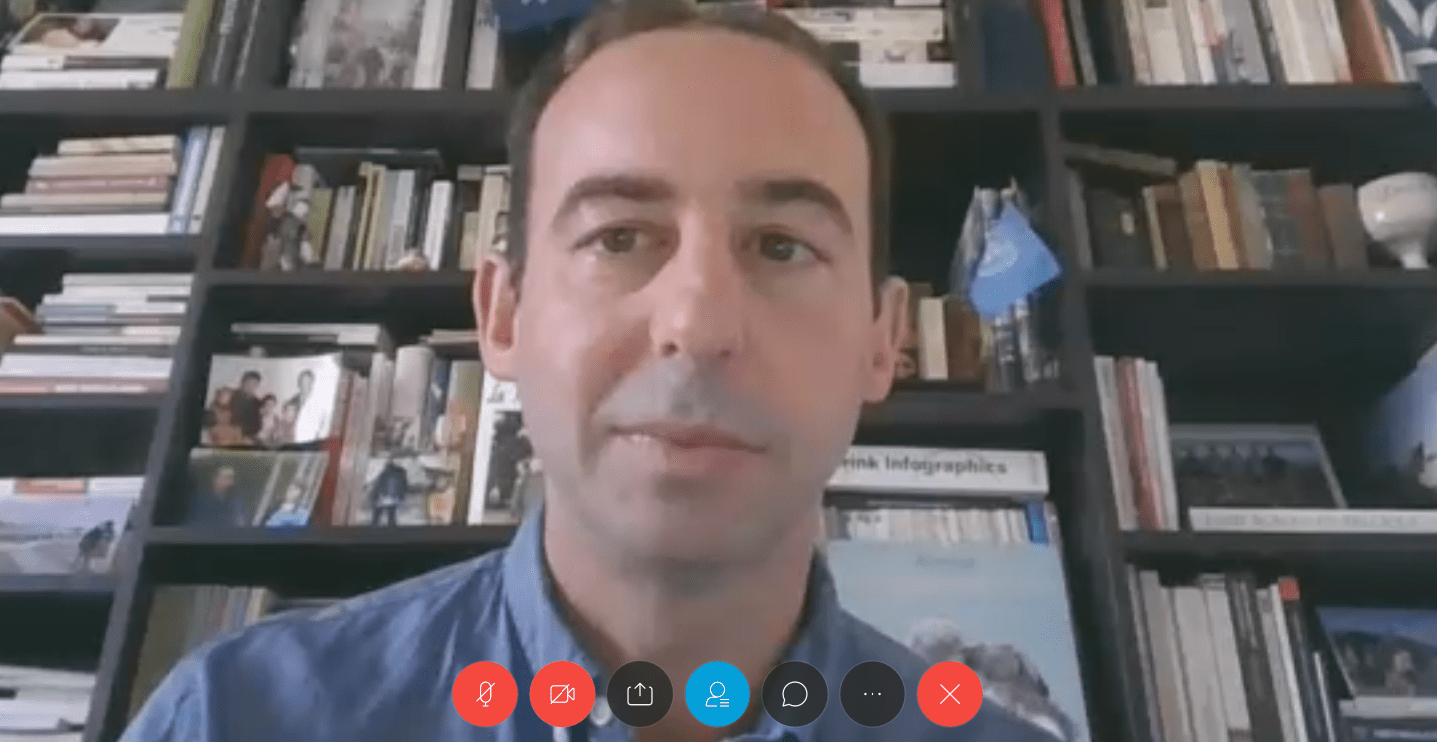
Pablo López Álvarez, Vice-President of the Chamber and moderator of the event, welcomed the speaker and thanked all the attendees for their participation. He began with a presentation of the speaker and gave a quick introduction to the current situation we are facing, which is undoubtedly affecting the priorities and activity of the Commission.

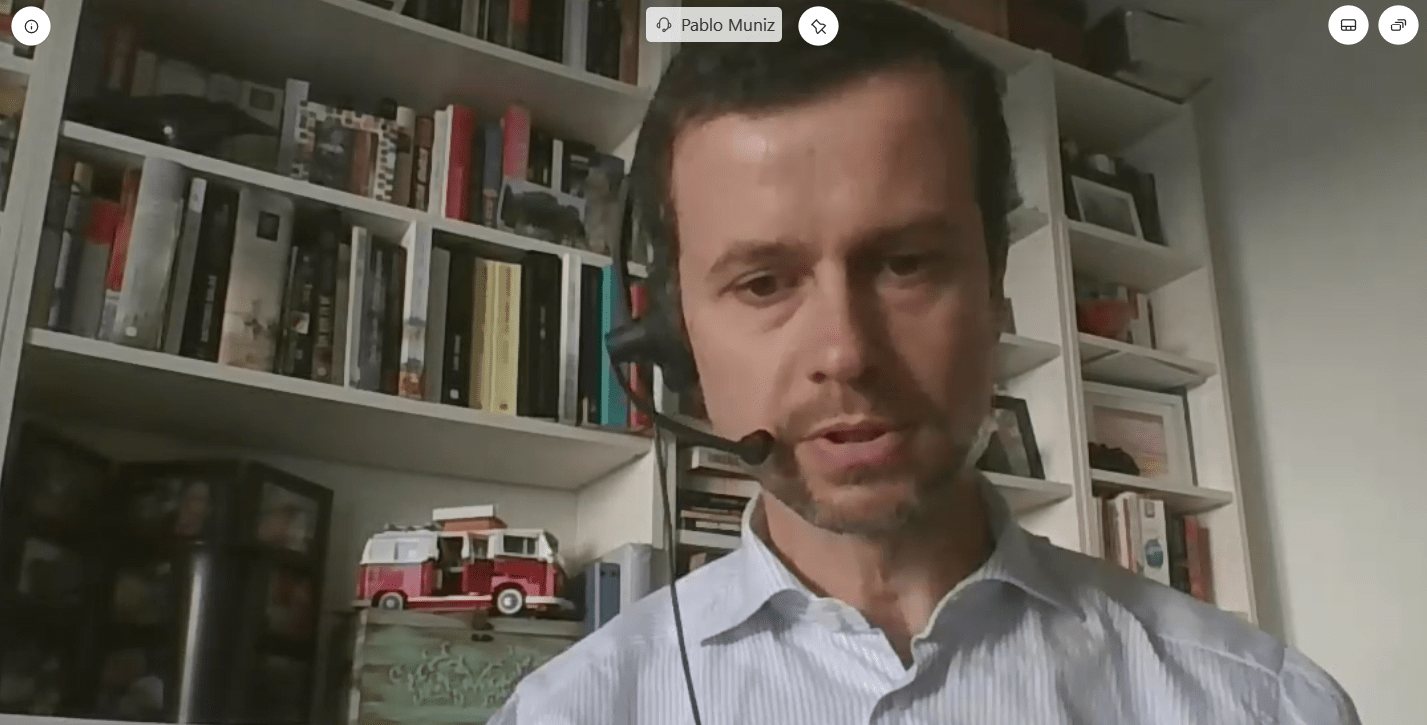
Then, on behalf of our member company and sponsor of the event Van Bael & Bellis, a law firm specialized in EU Commercial Law, its partner Pablo Muñiz took the floor and thanked the speaker and all attendees for their participation in this event.

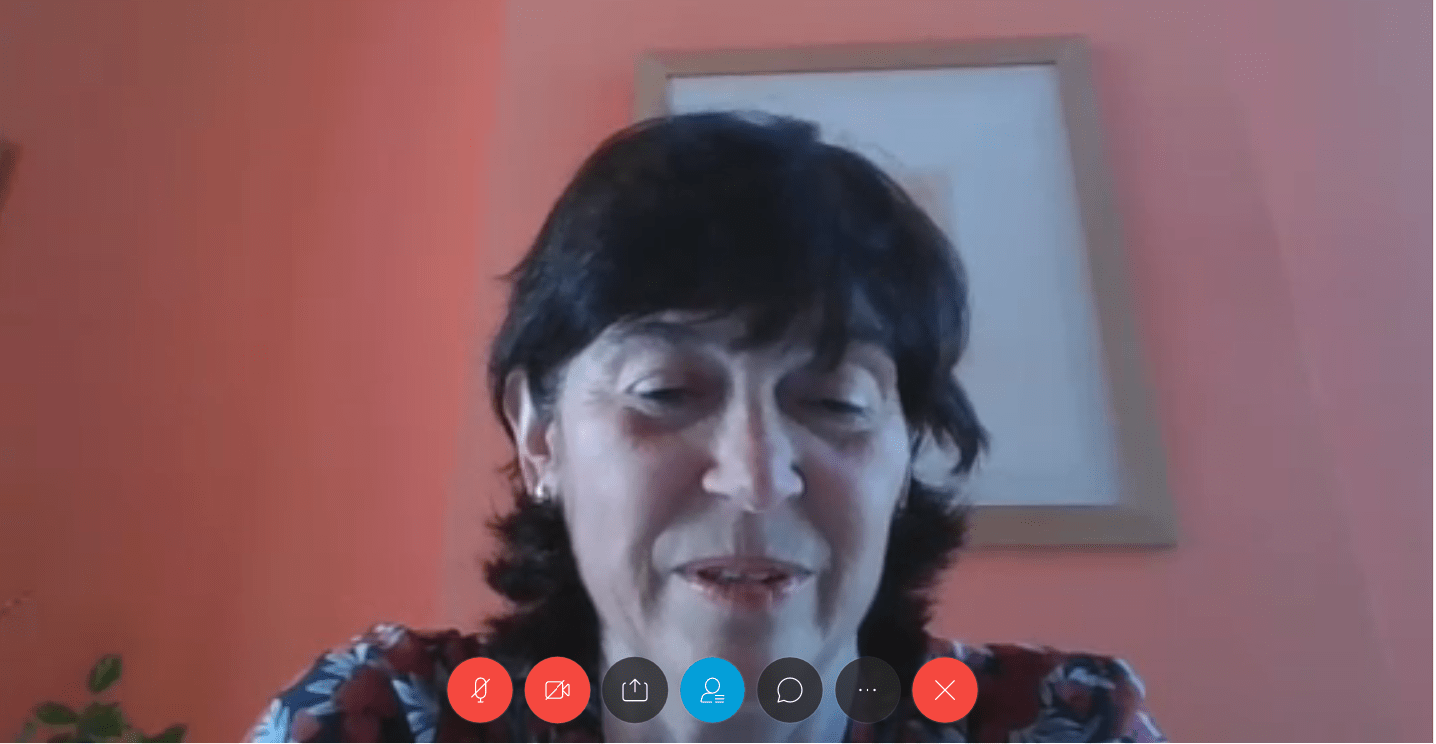
Cristina Rueda began by explaining how this pandemic has overtaken all sectors of society and that it will reach both public health and the economy, given this the European Commission is paying attention to the economic recovery of its members and companies.

blankDuring her speech, Rueda explained how this crisis has impacted the world trade with a drastic drop in both exports and imports in Europe. The speaker highlighted that world trade was one of the main growth booster of the European Union and that a proactive trade policy will be necessary for its recovery. European trade policy has seen many changes during this crisis, so a new revision of it will be necessary, giving the EU the leadership to guarantee greater resilience and sustainability. This will be achieved, among many other points, by supporting SMEs, diversifying supply chains, protecting companies and workers or keeping the markets open, when companies integrate the needs of the workers and society. She also informed that it will be crucial for this recovery to guarantee the diversity of the offer and to reinforce the anti-dumping duties that protect many jobs and companies from unfair practices. In another area, she reminded that the relaxation of the State aid regulations is merely temporary and that this practice should not be over-extended so that it is not perceived negatively by our present and future trade partners.

On the other hand, the speaker reported on the agenda of bilateral negotiations with Latin America, in which she explained some of the agreements that are currently under negotiation  with Mexico or Chile as well as the single bilateral agreement with MERCOSUR that will allow great savings in rates and which is unique since the block does not have other blanksimilar agreements.

Finally, Rueda informed that, in these months of great activity that lie ahead, it will be essential that all interested companies participate in the forthcoming consultations and debates of the European Commission, not only to face the challenges of Covid but in all sectors that already had problems previously that also have been affected by this crisis.

During the Q&A session, participants were able to raise many questions of interest to them. Thus, various topics were discussed such as the impact of this crisis on the negotiation and implementation of free trade agreements, the agreements with China and India or the sustainable development measures that will be carried out during the economic recovery.

The Spanish Chamber of Commerce in Belgium and Luxembourg would like to thank Cristina Rueda-Catry, all the participants in this session and our member Van Bael & Bellis for sponsoring this event.


Sponsored by:

blank

Breakfast-Debate with Isabel de la Mata, Principal Advisor for Health and Crisis Management, European Commission

On May 27th, the Official Spanish Chamber of Commerce in Belgium and Luxembourg hosted a new session of its Breakfast Debates, a platform for meetings between Spanish companies and European Institutions. The event was addressed by Isabel de la Mata, Principal Advisor for Health and Crisis Management of the European Commission and covered “The role of the Commission and DG SANTE in relation to the COVID: present and future”. Given the exceptional circumstances of the spread of COVID-19 in Belgium, this breakfast debate was held online and was attended by representatives of member companies of the Chamber, managers of companies, multinationals and Spanish Regional Delegations.

blank


Pablo López Álvarez, Vice-President of the Chamber and moderator of the event, welcomed the speaker and thanked all the attendees for their participation. He began with a presentation of the principal advisor and gave a quick introduction to the current situation we are facing, which is undoubtedly affecting the priorities and activity of the Commission.


blank


Isabel de la Mata began by explaining the integrated response provided by the European Commission to the covid-19 crisis, from monitoring the evolution of the pandemic with the help of the European Centre for Disease Prevention and Control (ECDC), to the management and measures adopted to cover the most immediate needs in the supply of medicines and medical equipment.


During her presentation, the speaker highlighted the joint action of Member States in tackling the health crisis and in making joint purchases of the products that are in most shortage in the Union, namely health protection equipment. She then underlined the outstanding work of the European team of experts that advises the European Commission and that has been elaborating reports and recommendations of great importance in subjects such as the prevention tests, community measures, de-escalation phases, etc. during the development of this crisis. It also highlighted the good crisis coordination by the European Institutions, through the general crisis coordination system, in close collaboration with the Health Security Committee, the Council’s IPCR and the competent authorities of the Member States. Furthermore, she also reported on the different financial instruments on which the European Institutions, and in particular the Commission, have relied and noted the great flexibilization on the use of all the financial instruments to achieve an effective and immediate health response appropriate to the needs arising from this crisis.

During the Q&A session, participants were able to raise many questions of interest to them. Thus, various topics were discussed such as the impact of this crisis on the European pharmaceutical strategy within the new Community health program or the lines of action, external and internal, in which the EU is working on an effective vaccine in the close future.

The Spanish Chamber of Commerce in Belgium and Luxembourg would like to thank Isabel de la Mata and all the participants in this session for their participation.

blank

Breakfast-Debate with the MEPs Pablo Arias and Adriana Maldonado

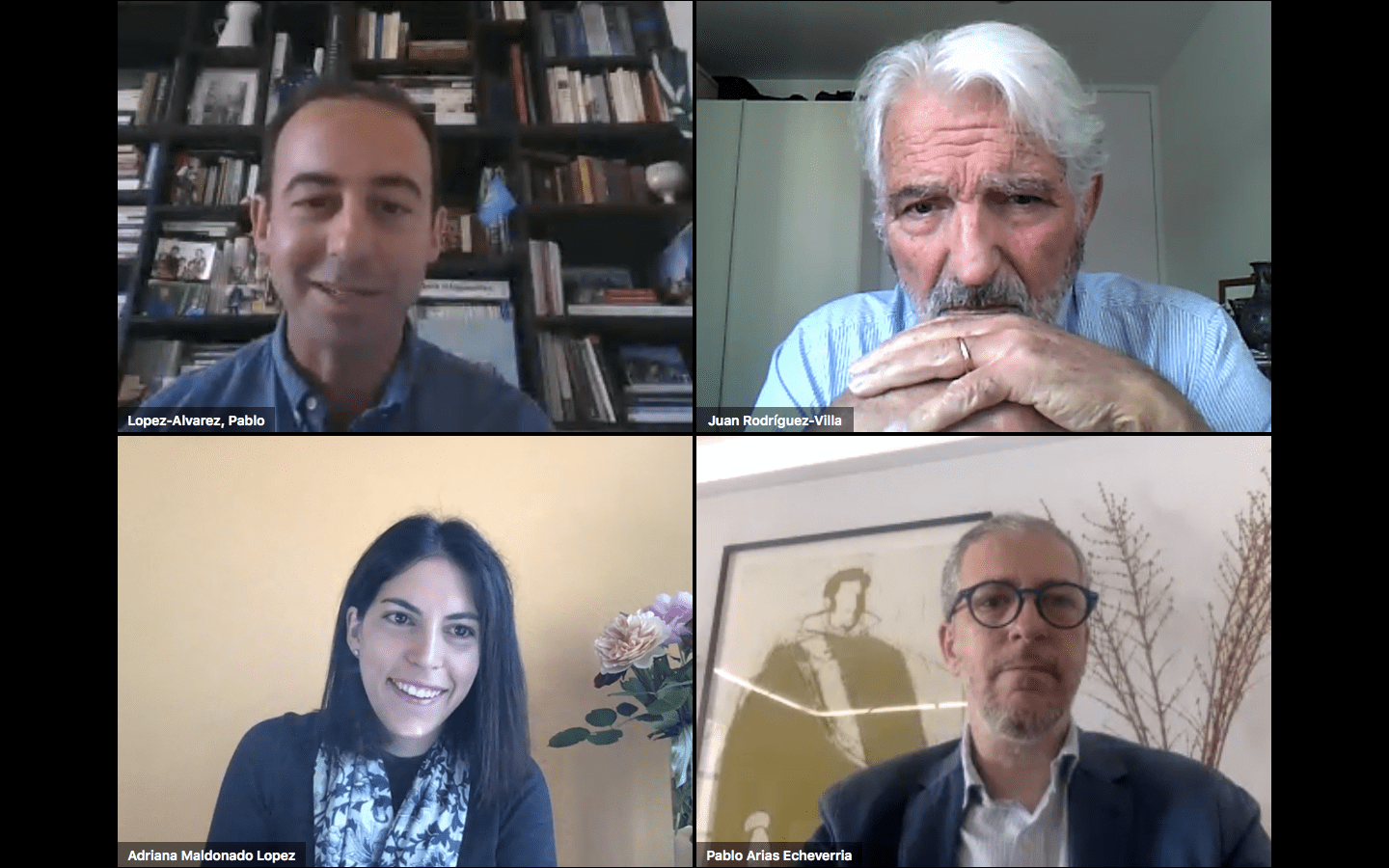
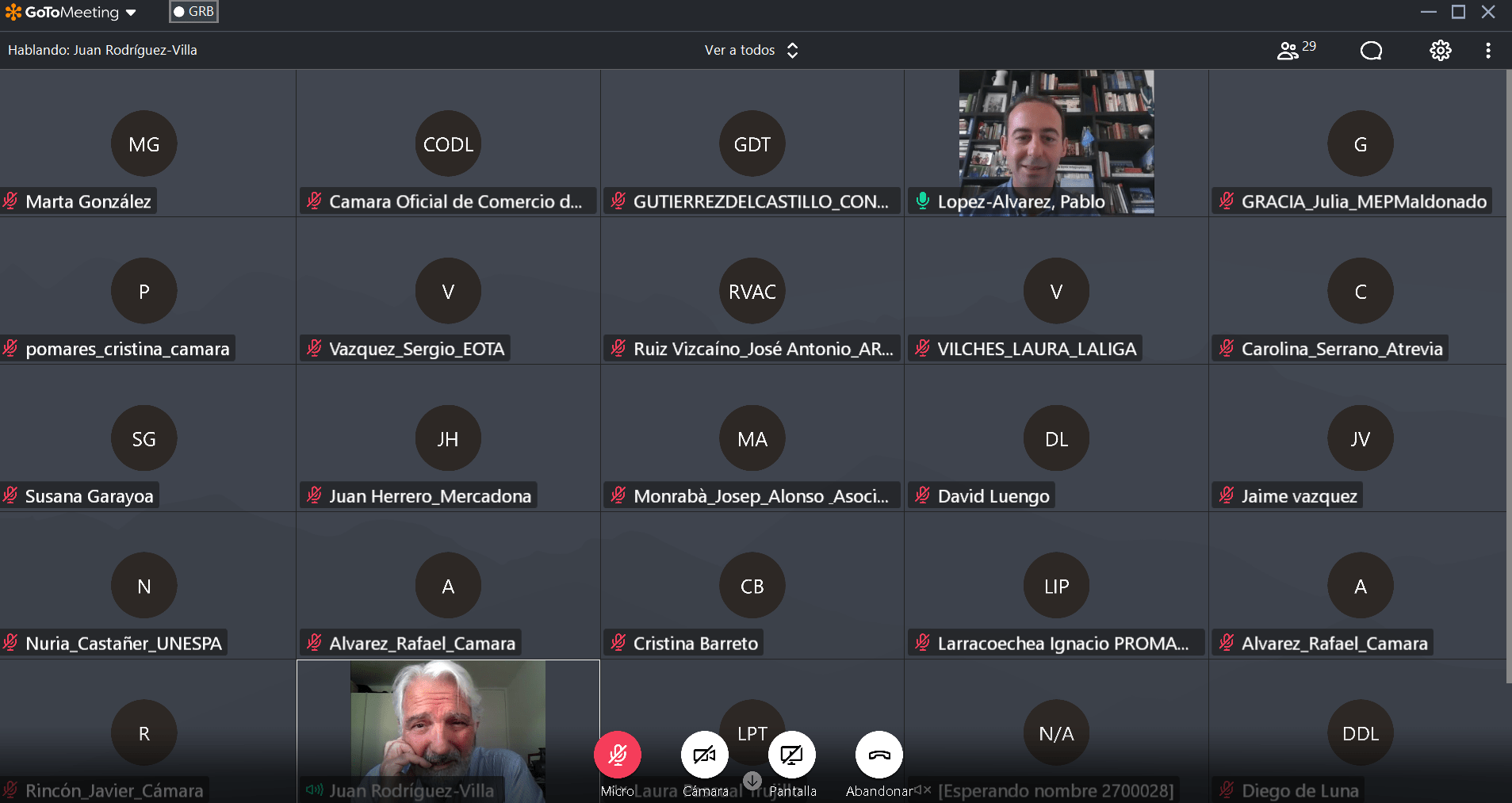
On May 20th, the Spanish Chamber of Commerce in Belgium and Luxembourg hosted an event as part of the “Breakfasts with the European Parliament” cycle, a platform for meetings between Spanish companies and the European Parliament, on the priorities of blankthe Committee on the Internal Market and Consumer Protection (IMCO) for the new legislature. Members of the European Parliament (MEPs) Pablo Arias Echeverría, member of the Group of the European People’s Party (EPP), and Adriana Maldonado López, member of the Group of the Progressive Alliance of Socialists and Democrats (S&D) attended to the session. Given the exceptional circumstances due to the spread of COVID-19 in Belgium, this Breakfast-debate was held telematically and featured among the attendants representatives from member companies of the Chamber, managers of multinational companies as well as European and Spanish associations.

The president of the Chamber, Juan Rodríguez-Villa, welcomed the event and thanked the participation of the speakers and all of the attendants. Also, Pablo López Álvarez, Vice President of the Chamber and moderator blankof the event, introduced the speakers and briefly referred to the current historical circumstances we are experiencing, and explained that this situation has undoubtedly compromised the short-term priorities and activity of the Eurogroup.

The MEP Pablo Arias explained that the situation in which we find ourselves has forced us to take measures that were not foreseen at the beginning of this legislature. During his speech, the MEP highlighted that the key of the recovery and reactivation of the economy will be to value the single market, because consumption will have to be reactivated due to the fall in employment. In this way, the Parliament and the European Commission are already working to see what mechanisms will be used. Then, he focused on the importance that electronic commerce has at the moment, highlighting that their main objective is to offer secure e-commerce and bet on digital leadership without losing competitiveness, being this digital sphere the one that has helped to maintain the EU economy during the pandemic and will be key to its recovery. On the other hand, Arias reviewed the different sectors that have been affected by this crisis, such as tourism. He also highlighted the exceptional reaction by carriers and the food sector. To finish, the MEP declared that the competitiveness of the European Union must be protected and that today the vaccine against COVID-19 is a priority for Europe.

Next, MEP Adriana Maldonado, who noted the quick reaction of the European Union and its coordination in managing this crisis while analyzing it, because there was no similar precedent. From her side, the MEP highlighted the good value chain of the blankEU’s primary sector as it has been shown that, despite consumer’s uncertainty, they have offered full supply. At the same time, she analyzed the weaknesses of the European Union, such as the lack of stock of pharmaceuticals or basic products, which will serve to establish a minimum stock for the future. On the other hand, Maldonado reported on the great impact that state aids have on the internal market and that it will be necessary to seek equality within this market so all countries can benefit from it. In conclusion, she explained that a recovery plan is needed to improve the weaknesses of the EU, emphasizing in the digitization of both companies and public administrations to show security to all consumers and be more competitive. The MEP also highlighted that the legislative work of the European Parliament, as the representative of the Europeans, has not stopped at any time and that adaptation to the telematic context has been fast.

During the time for questions, the participants were able to inquire the speakers on many issues of their interest. Thereby, they blankcovered topics such as the importance of social action policies within the European Union or how this commission will bet on innovation and digitization due to this situation for the new legislature.

The Spanish Official Chamber of Commerce in Belgium and Luxembourg would like to thank the MEPs, Spanish companies and representatives of the European Parliament who participated in this Breakfast.

Board of Directors Meeting

On May 19th, the Board of Directors of the Chamber met telematically.

During the meeting, a review of the current situation of the Chamber derived from Covid-19 was made, the Competition Commission and the Spanish Financial Forum, two new working Committees recently created by the Chamber, were discussed and the upcoming events as well as the scheduled activities.

Likewise, the Board of Directors approved the annual accounts for the 2019 financial year for presentation at the Ordinary General Assembly that will take place by the end of June.

Covid-19 bonus for companies in Brussels

COVID-19 premium

The measures taken to counter the spread of the coronavirus are having unprecedented consequences for the economic activity. The Region supports companies that have temporarily closed their doors and are work in certain sectors of activity. Under certain conditions, you can benefit from a bonus of 4,000 € per establishment in the Region. Your application for a voucher must be submitted by June 1st at the latest.

All about the COVID-19 voucher

Who can benefit from this bonus?

Any company (self-employed or business) with fewer than 50 full-time employees (FTE) with at least one operational site in the Brussels-Capital Region and active in an eligible sector of activity: shop-keeper, establishments, … (including bookshops, estate agents, car wash and DVD rental companies). Please check on the Banque Carrefour des Entreprises website that your NACE VAT 2008 codes correspond to your actual activity.

The business must have an economic and commercial purpose. Public companies (or companies considered as such) cannot benefit from this bonus. A different voucher is available for social integration companies.

Reminder: A company can only receive a maximum of 200,000 € of “de minimis” aid during the current fiscal year and the two previous years, according to the Commission Regulation (EU) No. 1407/2013 of 18 December 2013.

The application for the voucher must be submitted before June 1st 2020.

What is the procedure?

Amount of the bond: 4,000 € per operational site located in the Brussels-Capital Region, with a maximum of 20,000 € per company.

Maximum number of requests: Only one request per company.

Who can ask for the bonus?

1. Check with your company number to see if you meet the criteria.

Tip: Make sure that your NACE VAT codes in the Crossroads Business Bank reflect your actual activity.

2. If you meet the criteria, fill out a bonus application form. The deadline is June 1st 2020. The form must include the following attachments:

  • a bank certificate of your company’s account (company name and account number)
  • your last monthly or quarterly VAT return
  • a photo of the bank card linked to the company’s current account (jpeg format)
  • a double-sided photo of the identity card of the person signing the application (jpeg format)

Attention

In the event that the subsidy is granted: the company will notify Bruxelles Economie et Emploi immediately if it is subsequently sold or if it ceases to operate.


Contact

Bruxelles Economie et Emploi
Direction des Aides aux entreprises

Bd du Jardin Botanique, 20

1035 Ixelles


For more information about this bonus or any other business assistance, please contact 1819 (the Regional Business Information Service hosted at hub.brussels).

E  info@1819.brussels
T  Call 1819


SOURCE: Bruxelles Économie et Emploi

Webinar on “Writing for the web”

On May 8th, the Official Chamber of Commerce of Spain in Belgium and Luxembourg organized a webinar on “Writing for the web”, in collaboration with Manuel Pueyo of the company Bigkids, member of the EmprendeBelux program. The webinar had more than 40 participants.

Nowadays, the web pages offer the opportunity to reach out to more people. The objective of this webinar was to present and explain to the participants the different tools necessary to adapt their messages and content to the reading habits of network users. This requires becoming a content designer.

The training was aimed at a huge variety of organizations such as law firms, NGOs or professional services that decide to invest in digital content as a way to promote and improve their messages to all potential stakeholders. Also for web publishers who want to update their strategy or for anyone who writes on a website and seeks to improve their productivity, creativity and efficiency.

This training was given in English.

Manuel Pueyo, content strategy consultant, started with an introduction to digital content in which he showed the different tools to digitize work and to reach out his clients through different adapted methodologies. The different techniques used in the writing of web pages were also exposed through a practical case. In addition, concepts such as “inbound marketing” or “outbound marketing” were seen, as well as content marketing being a good opportunity to prioritize users.

Finally, the different methods for writing in the context of the web, which are based on the planning of texts and some principles of web writing, were also detailed.

During the conference, the participants were able to raise their doubts about the exposed information.

From the Official Chamber of Commerce of Spain in Belgium and Luxembourg we want to thank Manuel Pueyo and Bigkids for their presentation and dedication, as well as the participants for their presence.

Cooking workshop with Adrián Mancheño, chef of the Hispania Restaurant Brussels

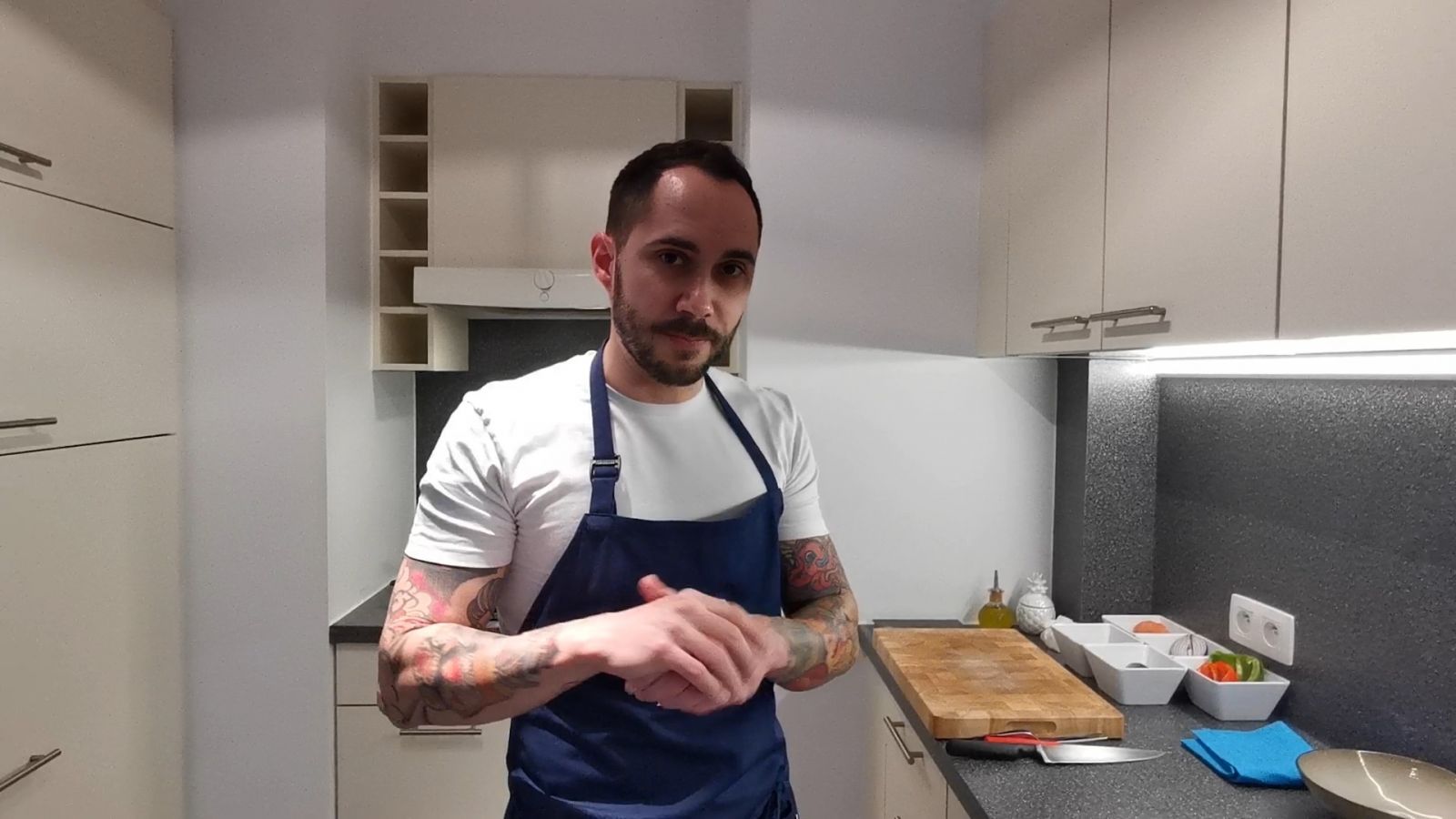
blank The Chamber organized last April 30th a cooking workshop with Adrián Mancheño, chef of the Hispania Restaurant Brussels, on April 30th.

Spanish gastronomy is not only one of the best in the world in terms of quality and diversity but also in innovation, creativity and modernity, and its chefs have become the best ambassadors of the country. The aim of this initiative is to present Spanish gastronomy to our members with the help of Spanish professionals in Belgium.

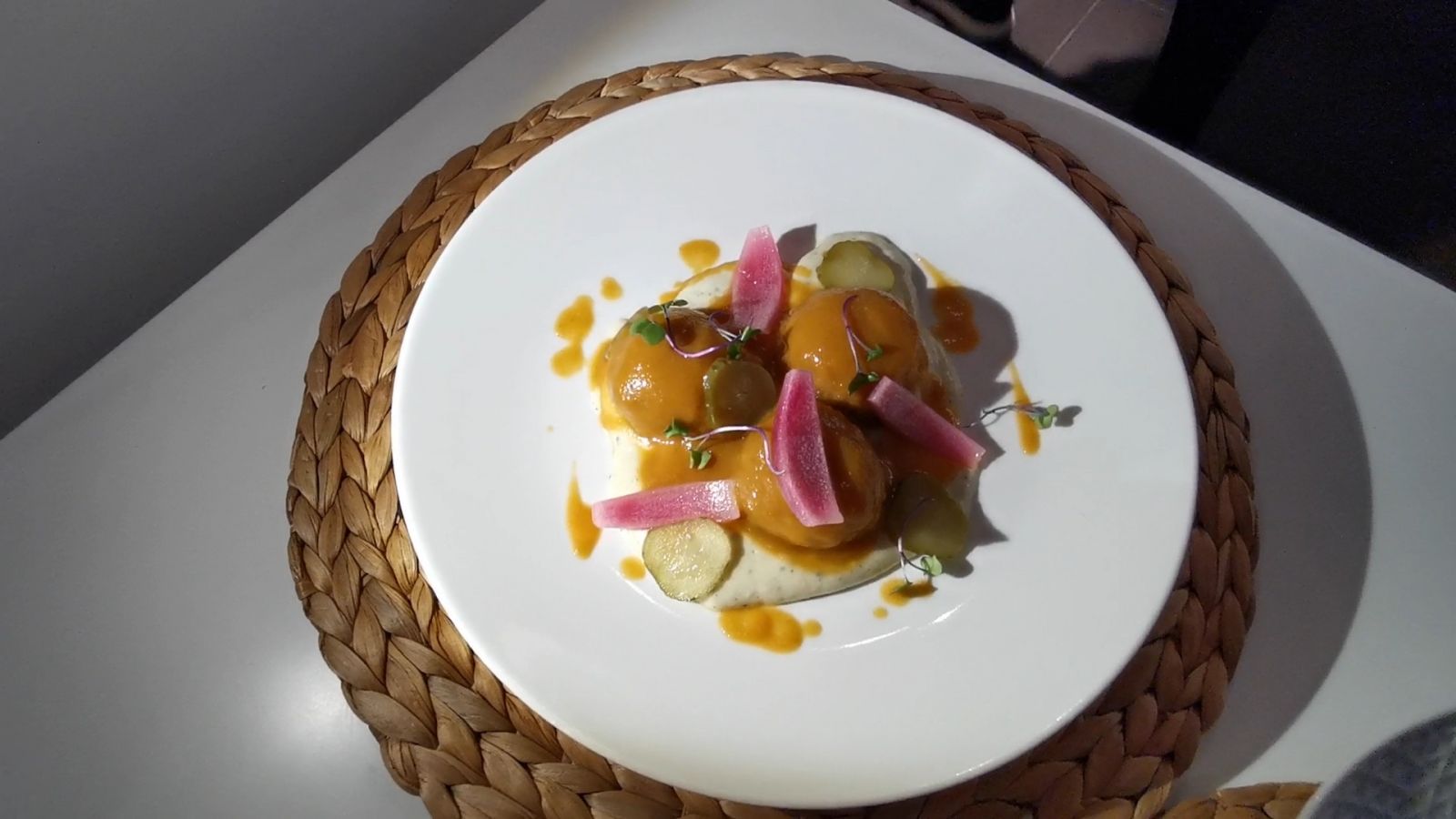
The chef cooked it version of the traditional meatballs with Iberian prey, truffled potatoes blankand pickles that delighted all the participants. At the end of the workshop, a debate was held where the attendees could ask all the questions to the chef.

blankAdrián Mancheño has been trained in some of the most prestigious restaurants in Spain, such as Casa Gerardo, Restaurante Coque or El Celler de Can Roca. He currently leads, along with Marcos Morán, the Hispania Restaurant Brussels.

In May 2019, Adrián with Hispania received the Gold Delta Award as the best restaurant in Brussels and it is listed as a recommended restaurant in the Michelin Guide since 2018. 

Here you can see the recipe.


In collaboration with:

blank

Measures taken by the National Security Council of April 24th, 2020

On the basis of recommendations from the Group of Experts in charge of the Exit Strategy (GEES), the National Security Council met today, Friday April 24th, to determine the exit strategy from the corona crisis. Hopeful indicators, such as the reduction in the number of daily hospital admissions or the flattening of the mortality curve now make it possible to start phasing out very gradually. But the government stresses that the virus is still present on our territory and remains dangerous.

It is important to emphasize that certain rules remain in force, even as were scaling down the measures. Rules such as:

– Limiting contact with people

– Respecting safe distances

– good hygienic reflexes, also called “barrier gestures

– Use of masks in public areas and public transport for users aged 12 years and over.

– Travel by your own means instead of public transportation and avoid rush hours.

Phasing out strategy

The strict containment measures will certainly remain in place until 3 May. Belgium could then start phasing out the measures, if circumstances permit. All of the following dates are subject to change depending on the health situation and the evolution of the virus.

  • Phase 1-A (4 May)

Working from home is still the standard.  For example, if companies cannot meet the physical distancing requirements, they will be able to compensate by following a series of health recommendations, such as wearing a mask.

The rules do not change for shops and the hospitality industry, except for the fabric shops, which – given their important role in the production of mouth masks – are allowed to open their doors.

Working groups are already studying how to respond to the need to continue to provide the best care to people infected with covid-19 while gradually and safely expanding access to general and specialised health care. The aim is to ensure that everyone regains ‘normal’ access to healthcare as soon as possible and that the medical infrastructure needed to care for people suffering from the virus is not overburdened.

Physical activity in the open air is allowed with a maximum of two people in addition to those living under the same roof, provided that physical distance is always respected.

It will also be allowed to practice other non-contact sports in the open air. But access to changing rooms, communal showers and cafeterias is still forbidden.

  • Phase 1-B (11 May)

This phase allows all shops to reopen at the same time – without discrimination on the basis of size or industry – in order to give everyone the same chance of success. This will of course be subject to conditions. These will be determined in consultation with the industries and the social partners.

There are three types of conditions, relating to: work organization, welcoming in clients and restricting access to shops to avoid hustle and bustle.

Carrying out so-called contact professions (such as hairdressing, for example) is not permitted at this stage.

Future of sports competitions will be also clarified in the short term.

  • Phase 2 (18 May)

The government  look at whether and under what conditions so-called contact professions can be resumed, again under certain conditions.

The opening of the museums can also be considered during phase two, also under certain conditions, for example through a ticketing system.

Team sports will be possible in the open air, but only in a club setting and subject to certain conditions.

Lessons will very gradually resume from the 18th of May. Not all pupils/students will be able to go back to school immediately. Each Community will be responsible for implementing this decision on its own territory, in consultation with the education sector.

Also, certain possibilities will be examined, such as:

– the ability to hold private meetings at home

– the ability to permit more people at weddings and funerals.

– allowing more than two people to be active outdoors together

– the possibility to organize day trips to certain regions of the country.

  • Phase 3 (8 June at the earliest)

Multiple points will be examined:

– How to organize the possible and gradual reopening of restaurants and, at a later stage, cafes, bars and the like. This will in any case have to be done under strict conditions.

– Various summer activities such as trips abroad, youth movement camps (to be decided at the end of May), internships, tourist attractions but also smaller open-air events. The only certainty is that mass events such as festivals are not allowed before 31 August.


Source: Belgian.be